EU proposes bringing waste incineration into carbon market from 2031
The European Commission has proposed adding large non-hazardous waste incineration and co-incineration plants to the EU Emissions Trading System from 2031. The measure would raise costs for waste-to-energy operators while encouraging recycling and lower fossil-derived content in residual waste.
Carbon payments proposed from 2031
The European Commission has proposed bringing large non-hazardous waste incineration and co-incineration facilities into the EU Emissions Trading System, potentially creating a new operating cost for waste-to-energy plants across Europe. According to Gargalianoi Online, the proposal was presented on 17 July 2026 and covers facilities with capacity above 3 tonnes per hour, a threshold encompassing much of the industrial-scale municipal waste treatment sector.
Municipal waste incinerators rated above 20 MW have been required to monitor and report their emissions under the ETS since 1 January 2024. They have not, however, been required to purchase and surrender allowances for those emissions. Under the Commission’s proposal, that financial obligation would begin in 2031 and increase progressively. By 2034, a plant with 1 million tonnes of CO2 emissions covered by the system would need a corresponding number of allowances. Its actual cost would depend on allowance prices at the time.
Plastics increase operators’ exposure
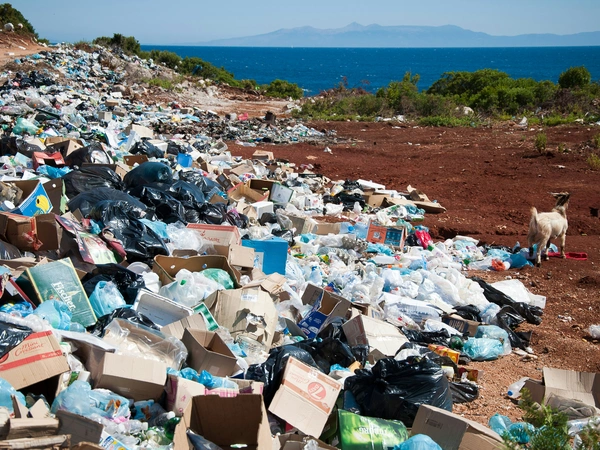
The measure focuses attention on the fossil carbon contained in waste, particularly plastics. A residual waste stream with a higher share of plastics and other fossil-derived materials would expose an operator to a larger carbon bill. That changes the economics of feedstock preparation, sorting and plant efficiency, while strengthening the incentive to remove recyclable material before waste reaches an energy-recovery facility.
The Commission’s impact assessment estimates that including municipal waste incineration in the ETS could reduce the sector’s cumulative emissions by about 53 million tonnes of CO2 during 2031-2040. That would represent an estimated reduction of about 22% compared with a scenario without the change. Carbon pricing is also intended to reinforce the EU waste hierarchy, under which prevention, reuse and recycling take priority over energy recovery.
Exemptions and final timetable remain open
The proposal would allow member states to seek exemptions under certain conditions when they apply equivalent measures to reduce emissions and meet waste-management targets. It also includes a specific derogation for the EU’s outermost regions until the end of 2035. Member states would gain greater scope to use ETS revenue for local-authority programmes that move waste toward prevention, reuse and recycling.
The 2031 start date is not yet final. Draft 2026/0212(COD) must be considered and agreed by the European Parliament and the Council, which may change both the timetable and exemptions. Council discussions began after the proposal was presented to the Working Party on the Environment on 20 July 2026.
Greek projects face a new cost variable
The timing is particularly relevant to Greece, which is developing a network of six energy-recovery plants with an estimated total investment exceeding €1 billion. The projects are intended to use residues from waste-treatment facilities and support the national goal of sharply reducing landfill. A strategic environmental assessment entered public consultation in 2025, extended until 17 October 2025, and the environment ministry said in May 2026 that approval was approaching, with changes including plant sizing.
Facilities designed now for decades of operation could therefore begin running close to the proposed introduction of carbon payments. Developers will need to account for future allowance purchases and the fossil content of their feedstock. Oversized plants could become dependent on volumes of combustible waste whose treatment grows more expensive under the ETS, while stronger sorting and recycling could reduce available feedstock. For investors and municipalities, capacity assumptions and waste-composition forecasts will consequently be central to project viability during the proposed 2031-2034 transition.