Brussels unlocks green harvesting, crisis distillation and vine grubbing-up for EU wine markets
The European Commission has cleared EU member states to use three exceptional wine-market measures — green harvesting, crisis distillation and voluntary permanent grubbing-up of vineyards — financed from national funds. The rules are set out in Delegated Regulation 2026/2093, published in the EU Official Journal on 16 September 2026. Each country decides whether to act, subject to prior approval from the Commission.
Brussels clears three wine-market tools
The European Commission has opened the way for EU member states to deploy three exceptional measures to regulate their wine markets: green harvesting, crisis distillation and the voluntary permanent grubbing-up of vineyards. The rules and procedures that national administrations must observe are set out in Delegated Regulation 2026/2093, published in the Official Journal of the European Union on 16 September 2026, ItaliaOggi reports. The three instruments are activated through national payments, not through the EU budget.
All three are discretionary: each member state decides for itself whether to use one, several or none of them. Their stated purpose is to correct imbalances between supply and demand that drive prices down, erode profitability for growers and create liquidity problems for wine businesses. Because activation depends on national spending decisions, the same legal toolkit can produce very different levels of intervention from one producing country to another.
Cyclical relief versus permanent capacity cuts
The regulation draws a firm line between short-term and structural problems, and ties each measure to one of them. Green harvesting and crisis distillation are designed for cyclical market imbalances that create a momentary excess of supply. Voluntary permanent grubbing-up of productive vineyards is described as a drastic operation intended for structural difficulties, where the gap between supply and demand persists over the long term. National payments are therefore available only for a cyclical crisis in the case of green harvesting and distillation, and only for a structural crisis in the case of grubbing-up.
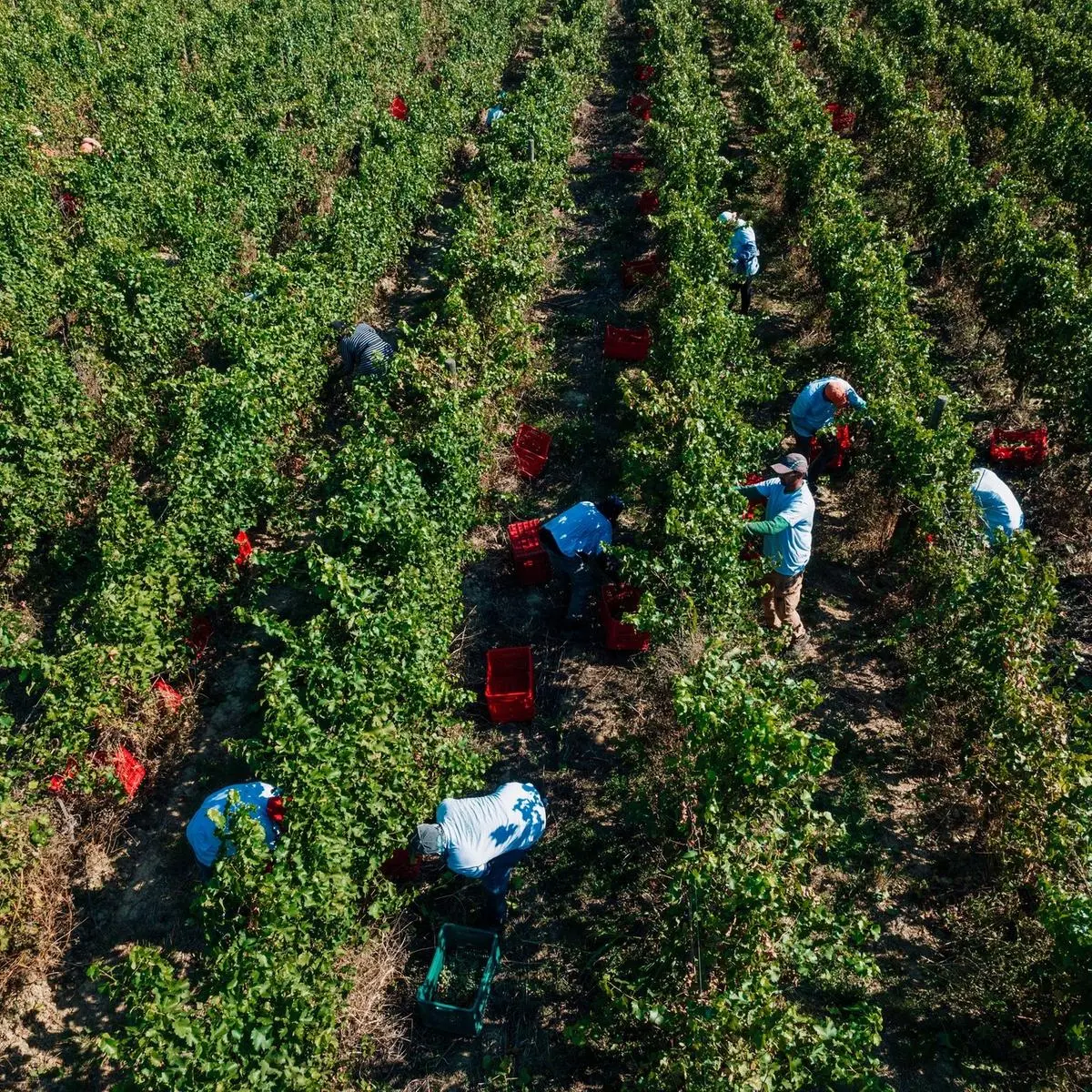
- Green harvesting destroys grape bunches before they ripen, cutting the volume of wine that reaches the market from the current campaign.
- Crisis distillation removes finished wine from the market and channels it to distilleries, absorbing a temporary surplus.
- Voluntary permanent grubbing-up takes productive vines out of the ground, reducing production capacity for good.
Approval procedure and reporting duties
Member states that intend to activate one or more of the measures must submit a request for approval to the EU services. The application has to specify the geographical zone where the intervention applies, the category of wine concerned — protected designation of origin (PDO), protected geographical indication (PGI) or generic wine — and the colour of the wine, whether red, white or rosé. It must also set out eligibility conditions, how the measure will operate, the areas and volumes of product involved, the public expenditure to be used, and the maximum national payment per hectare and per volume of wine sent for distillation.
Once Brussels has given its approval, national authorities may launch the interventions. They must then report to the European Commission by 30 September following the marketing year in which the measures were applied, providing detailed information on the quantities of wine withdrawn from the market and on the areas concerned. The regulation also fixes the eligibility requirements for each measure and the method for calculating the contributions paid to producers.
Part of the EU wine package
The delegated act follows Regulation 2026/471, the EU wine package, which introduced a set of measures to adjust the sector's production potential, manage the market and support a sector hit in recent years by economic and commercial problems, according to ItaliaOggi. The delegated regulation converts that framework into operational rules that national administrations can apply in a given marketing year.
For producers, processors and traders, the practical significance lies in the parameters each country chooses. The colour and category filters mean schemes can be targeted narrowly, for example at generic red wine in a single region, rather than applied across a whole national vineyard. The reporting calendar also means the aggregate picture — how much wine was distilled or never produced, and how many hectares left production — will only be documented after the 30 September deadline that follows each marketing year, leaving the market to work with national announcements in the meantime.