Tighter EU and UK rules raise compliance pressure on Vietnam’s agri-food exporters
Vietnamese farm and seafood exporters face stricter EU and UK requirements on residues, traceability, certification, packaging and emissions data. Europe bought $9.28 billion of Vietnamese agricultural, forestry and seafood products in 2025, but tariff preferences increasingly depend on supply-chain compliance.
Technical rules gain weight as tariffs fall
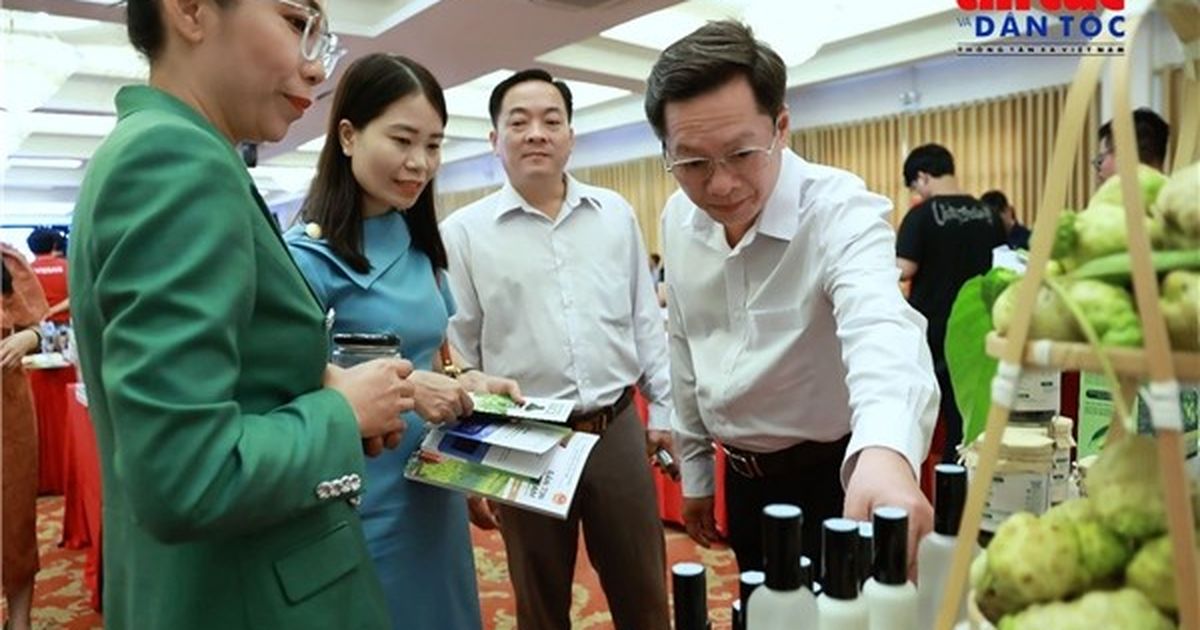
Vietnamese agricultural and seafood exporters are under growing pressure to strengthen controls across their supply chains as the European Union and the United Kingdom tighten food-safety, plant and animal health, traceability and sustainability requirements. At a conference held in Ho Chi Minh City on 24 July, officials and industry representatives said preferential tariffs under the EVFTA and UKVFTA were no longer sufficient to secure market access without consistent technical compliance.
Viet Bao reported that Vietnam exported $9.28 billion of agricultural, forestry and seafood products to Europe in 2025. The region accounted for about 13% of the sector’s total exports and ranked third behind China and the United States. Ngô Hồng Phong, head of the government department responsible for quality, processing and market development, said the trade agreements continued to create opportunities, but exporters had to adapt to increasingly demanding import standards.
Residue limits and inspections raise shipment risks
During the first six months of 2026, World Trade Organization members issued 601 notifications concerning draft or effective sanitary and phytosanitary measures, according to Ngô Xuân Nam, deputy director of Vietnam’s SPS Office. The EU accounted for 74 notifications and the UK for 15. Differences between the two markets mean exporters may need separate compliance procedures instead of a single standard for Europe.
The EU has tightened maximum residue limits for several pesticide active substances, in some cases reducing them to 0.01-0.05 mg/kg. Substances already prohibited in Vietnam, including endosulfan, remain under strict control, while products intended for the EU require closer management even when the pesticides used are still permitted domestically. A change to residue thresholds, phytosanitary documentation or labelling can result in warnings, more frequent inspections or rejected shipments.
EU border checks also remain intensive. In the first half of 2026, okra and Capsicum peppers were inspected at a frequency of 50%, dragon fruit at 30%, and fresh or chilled durian at 20%. Only five fruits — pineapple, coconut, durian, banana and date — were exempt from phytosanitary certificates. Exporters therefore need controls beginning at farms and growing areas rather than corrective action after a border alert.
Seafood, digital certification and packaging
For seafood, the EU requires controls throughout the chain under its farm-to-fork approach. In 2026, Vietnam had 510 establishments eligible to export to the EU and 617 approved for the UK. EU consignments require electronic health certification through TRACES NT, while the UK uses the Border Target Operating Model, with distinct procedures and certificate formats. Recent EU warnings concerning Vietnamese seafood have mainly involved antibiotic and veterinary-drug residues, prohibited substances, traceability deficiencies and unresolved issues associated with the EU’s IUU yellow card.
The compliance agenda is also expanding beyond food safety. The EU’s ELAN system within TRACES is scheduled to become fully applicable on 17 January 2028, digitising several specialised procedures outside customs. From 2028, EU importers will also have to collect carbon-emissions data from suppliers outside the bloc.
The Packaging and Packaging Waste Regulation is due to apply from 12 August 2026, while numerous forms of single-use plastic packaging will be prohibited in the EU from 2030. Germany already requires exporters to register packaging and meet extended producer responsibility obligations. Ho Chi Minh City, which has more than 450 agricultural, forestry and seafood exporters, is promoting digitalisation, greener operations and logistics improvements. Their exports reached about $8.29 billion in the first six months of 2026. For producers and processors, maintaining access to Europe will increasingly depend on residue controls, reliable records, market-specific labels, compliant food-contact materials and verifiable environmental data.