EU tobacco proposals could push Greek cigarette prices as high as €13.82 a pack
Proposals under discussion in Brussels could lift cigarette prices in Greece from an indicative €4.80 to at least €6.50 a pack, with some scenarios reaching €13.82. Higher taxes, tighter sales rules and a possible ban on filtered cigarettes could reduce legal demand while increasing pressure from illicit trade.
Brussels weighs higher prices and tighter controls
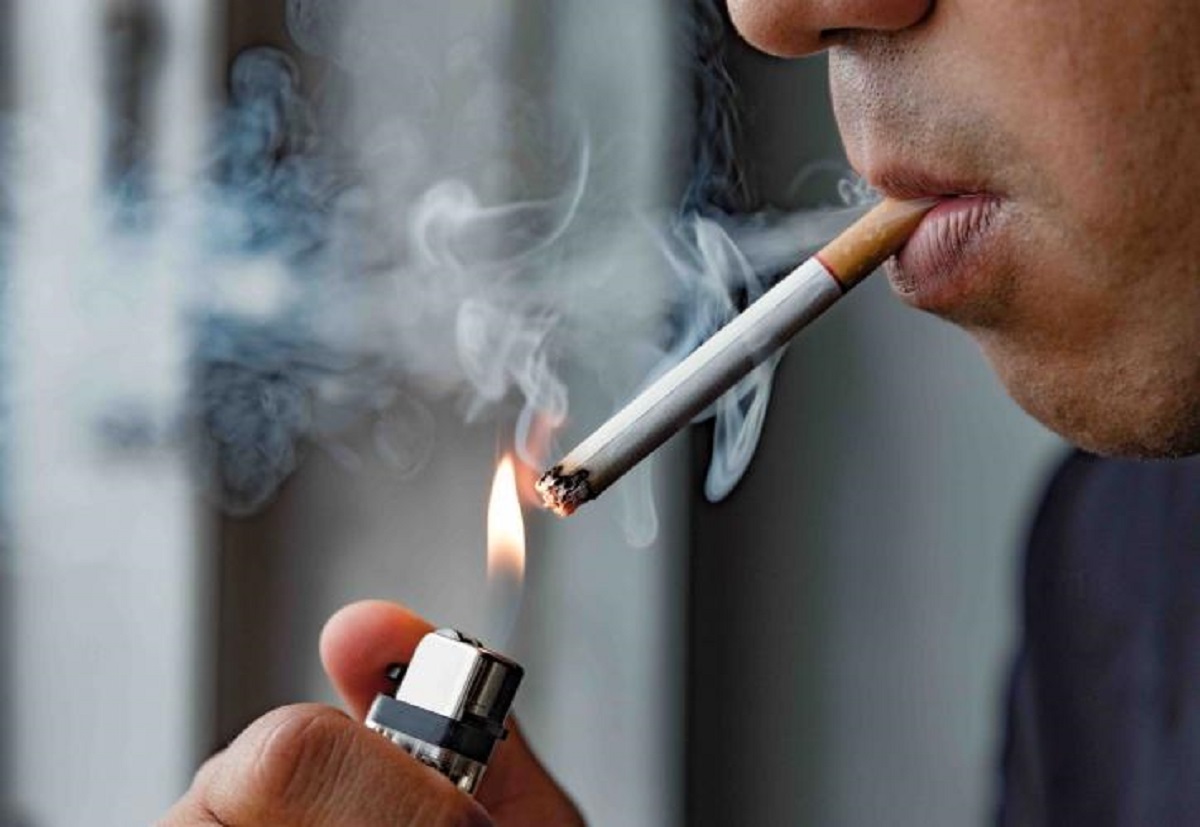
European tobacco-policy proposals could produce a sharp increase in cigarette prices in Greece as regulators pursue lower smoking rates through higher taxation and tighter product and sales restrictions. Paraskhnio reports that scenarios being discussed in Brussels would lift the price of a pack in Greece to at least €6.50, while the cost could reach €13.82 in some cases. The proposals are connected to a revision of the European Tobacco Products Directive.
A Maltese veto has for now prevented a decision. Greece and nine other countries have also secured more favourable treatment, including smaller increases and a transition period extending to 2036, according to Paraskhnio. The wider policy direction nevertheless remains focused on raising the cost of smoking, reducing access to tobacco products and bringing the share of smokers below 5% of Europe’s population by 2040.
The impact on regular smokers would be substantial even under the lower scenario. At an indicative current price of €4.80, a person smoking one pack a day spends about €1,752 annually. A price of €6.50 would raise that expenditure to €2,372.50, an increase of roughly €620. For lower-income households, this would intensify the burden of a product whose retail price already consists predominantly of taxes.
Filtered cigarettes and retail access face scrutiny
European policymakers are also considering a potential ban on filtered cigarettes. The debate reflects concerns about both human health and the environmental impact of discarded filters, which are a significant source of urban litter. A drastic reduction in the number of outlets permitted to sell tobacco products is also under examination, potentially changing distribution economics for manufacturers, wholesalers and small retailers.
Greece is particularly exposed because smoking remains more prevalent than in most EU markets. Eurostat data cited by Paraskhnio show that 22.6% of Greeks aged over 16 smoked daily in 2025, equivalent to about two million people, with average consumption estimated at 15 cigarettes per day. Greece ranked fourth among the EU’s 27 members and remained well above the European average of 16.5%.
Bulgaria recorded the highest rate at 26.3%, followed by Sweden at 23.9% and Croatia at 23.6%. In Greece, 27.2% of men and 18% of women smoked daily. These figures illustrate the scale of the behavioural change required if the EU is to reach its 2040 target, particularly in markets where tobacco consumption remains embedded in everyday life.
Tax revenue and illicit trade complicate the strategy
Taxation already accounts for about €3.83 of a cigarette pack retailing at €4.80 in Greece. Further increases could reduce legal consumption and strengthen public-health incentives, but they would also affect government revenue, licensed retailers and tobacco suppliers. Critics argue that repeated increases fall disproportionately on lower-income smokers and widen the price advantage enjoyed by illegal products.
Greece’s illicit cigarette share was estimated at 14.1% of total consumption in 2025, according to a KPMG report cited by Paraskhnio. Although Greece registered the EU’s largest decline from 2024, approximately 1.9 billion illicit cigarettes were still consumed during the year. That volume shows why enforcement will be central to any tax-led strategy: a larger gap between legal and illegal prices may redirect demand rather than eliminate it.
Greek smoking restrictions have progressively expanded through legislation adopted in 2002, 2010, 2016 and 2019. Current rules cover outdoor areas used by minors, including playgrounds and sports facilities, as well as private vehicles carrying children under 12. The next phase could go considerably further. For tobacco companies and traders, the key variables are now the final tax schedule, the 2036 transition arrangements, any decision on filters and the extent to which retail access is reduced.