EU rules reserve standalone “sangria” name for products made in Spain and Portugal
EU rules allow only products made in Spain or Portugal to use “sangria” as a standalone sales name. Producers elsewhere in the EU may use the term only alongside the official description “aromatized wine-based drink” and an indication of the country of production.
A protected sales designation
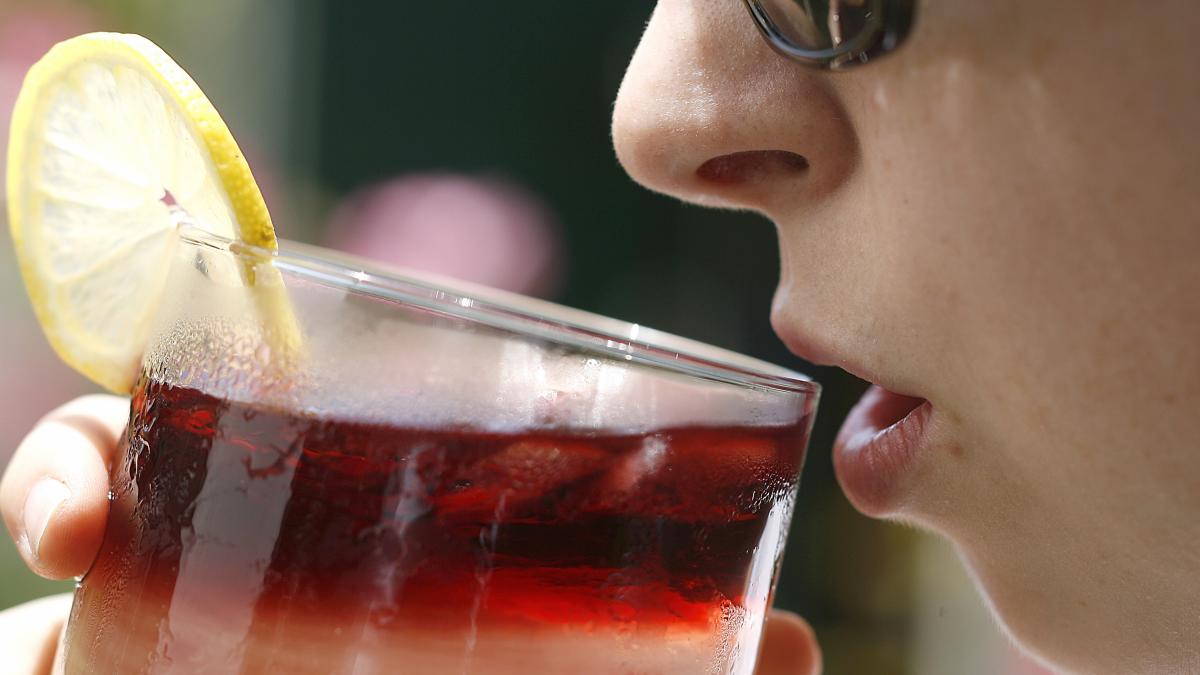
European Union rules give producers in Spain and Portugal exclusive use of “sangria” or “sangria” as a standalone sales designation. Manufacturers in other EU member states may make and sell comparable drinks, but they must present them primarily as an “aromatized wine-based drink.” If they also place the word “sangria” on the label, they must state where the product was made.
El HuffPost reports that a drink manufactured in Germany, France or Sweden can therefore reach the European market with a reference to sangria, but the term cannot function as its principal commercial name. The label must combine it with the formal product category and wording such as “produced in Germany” or “produced in Sweden.” The measure regulates product presentation rather than prohibiting production or consumption outside the Iberian Peninsula.
Composition is also regulated
The restrictions form part of Regulation (EU) No 251/2014, which covers the definition, production, description, presentation and labeling of aromatized wine products sold in the European market. The European Parliament and the Council adopted the regulation on 26 February 2014, and it was published in the Official Journal of the European Union on 20 March 2014. According to El HuffPost, the special condition attached to sangria remains in the consolidated and updated version of the legislation.
The regulation defines sangria as a wine-based product flavored through the addition of natural citrus extracts or essences. It may contain citrus juice, solid pieces of pulp or peel, spices, carbon dioxide and certain sweeteners. At least 50% of the finished drink must be wine, while colorants are prohibited. Its alcohol content must also remain within the limits established for the category. Consequently, a mixture prepared at home or in a bar does not necessarily meet the legal specification applied to industrial products.
Different labeling costs for EU producers
For Spanish and Portuguese suppliers, the rule allows the familiar name to appear directly as the product’s sales designation. Producers elsewhere face an additional labeling requirement: they must identify the broader category and disclose the manufacturing country whenever they use the sangria reference. This distinction can affect packaging, brand positioning and how quickly consumers recognize competing products on retail shelves.
The framework does not prevent distributors, retailers or hospitality businesses from selling sangria outside Spain and Portugal. Nor does it bar factories in other member states from developing wine-based drinks inspired by it. Its practical effect is to reserve the shortest and most recognizable designation for Iberian production while requiring clearer origin information for alternatives made elsewhere. For producers and beverage traders, compliance therefore depends both on the recipe and on the precise wording used to market the finished product.