EU proposes 139% rise in minimum cigarette excise and first bloc-wide tax on vapes and nicotine pouches
The European Commission has proposed raising the EU minimum excise duty on cigarettes by 139% and introducing the first EU-wide minimum tax rate on e-cigarettes, heated tobacco and nicotine pouches. The revision of the Tobacco Tax Directive would also extend tobacco traceability to raw materials. The file is still under negotiation in the Council and requires the agreement of member states.
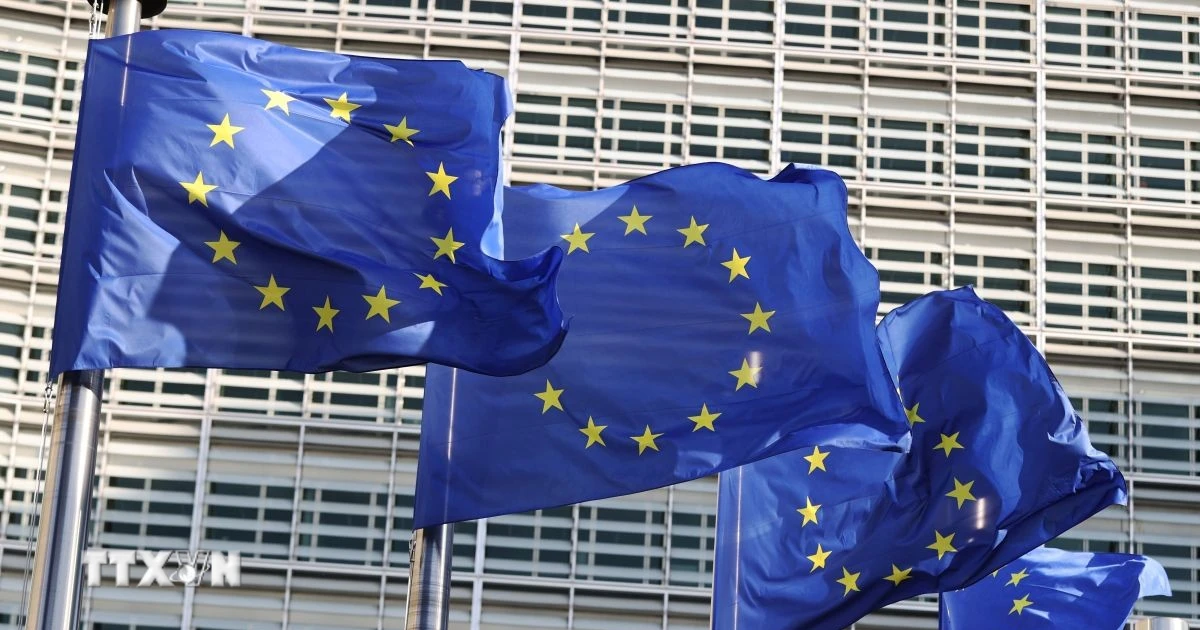
The European Commission has proposed a 139% increase in the minimum excise duty on cigarettes and the first EU-wide minimum tax rate on e-cigarettes, heated tobacco products and nicotine pouches, in what would amount to a substantial rewrite of how the bloc taxes nicotine, VietnamPlus reported.
What the Commission is proposing
The measures form the core of a proposed revision of the Tobacco Tax Directive (TTD), the instrument that sets the minimum rates member states must apply to tobacco products. The Commission argues that the existing framework helped bring down cigarette smoking rates but has not kept pace with the rapid spread of new nicotine products and their online marketing.
- A 139% increase in the minimum excise duty applied to cigarettes.
- A first common EU-wide minimum tax rate for e-cigarettes, heated tobacco and nicotine pouches, categories taxed until now at the discretion of individual member states.
- An extension of the EU tobacco traceability system to raw materials, tightening controls over illicit trade.
Applying common minimum rates is expected to narrow price differences between product categories while pushing up the retail price of cigarettes and of many alternative nicotine products, according to the proposal as described by VietnamPlus.
The market at stake
About 24% of the EU population still smokes, and roughly 300 billion cigarettes are consumed in the bloc every year. Tobacco-related diseases cause around 700,000 deaths annually in Europe and generate an estimated €25 billion in healthcare costs.
Those volumes make the cigarette floor rate the commercially decisive element of the package. Because the directive sets a minimum rather than a ceiling, the effect is concentrated in member states whose excise currently sits at or close to the existing floor; markets already taxing well above it would see little immediate change in duty, though the traceability provisions would apply across the board.
New nicotine categories and youth use
The Commission has singled out the take-up of newer products among young people. Figures from the World Health Organization cited in support of the proposal put use of e-cigarettes, heated tobacco or nicotine pouches at about 11.6% among 13- to 15-year-olds in the European region.
Some of these products are assessed as less harmful than combustible cigarettes, but health specialists warn that they still carry risks because they deliver addictive nicotine alongside other harmful substances. For manufacturers, these are precisely the categories that have absorbed the bulk of product development and marketing spending as cigarette volumes decline, and the ones that have so far benefited from wide tax divergence between member states.
Adoption is not settled
The proposal sits within the EU's stated objective of achieving a “tobacco-free generation” by 2040. It remains under negotiation in the Council of the EU, and the European Parliament did not adopt a formal opinion on it at its June meeting.
To enter into force, the revision needs the agreement of member states — a requirement that has historically slowed EU tax legislation, since governments with significant tobacco manufacturing or leaf-growing sectors and those with low current excise levels stand to be affected most. Until agreement is reached, national regimes for vapes, heated tobacco and nicotine pouches remain in place, preserving the cross-border price and tax gaps the proposal is designed to close.