EU Pork Exports to Third Countries Fall 1.3% in First Half of 2026
EU shipments of pigs and pork to non-EU markets were 1.3% below year-earlier levels in the first half of 2026, according to topagrar.com. Spain remained the largest exporter at around 585,300 tonnes but fell well short of last year after an African swine fever case in November 2025 triggered third-country restrictions. Lower deliveries to China were the main drag, while South Korea, Denmark and Germany gained.
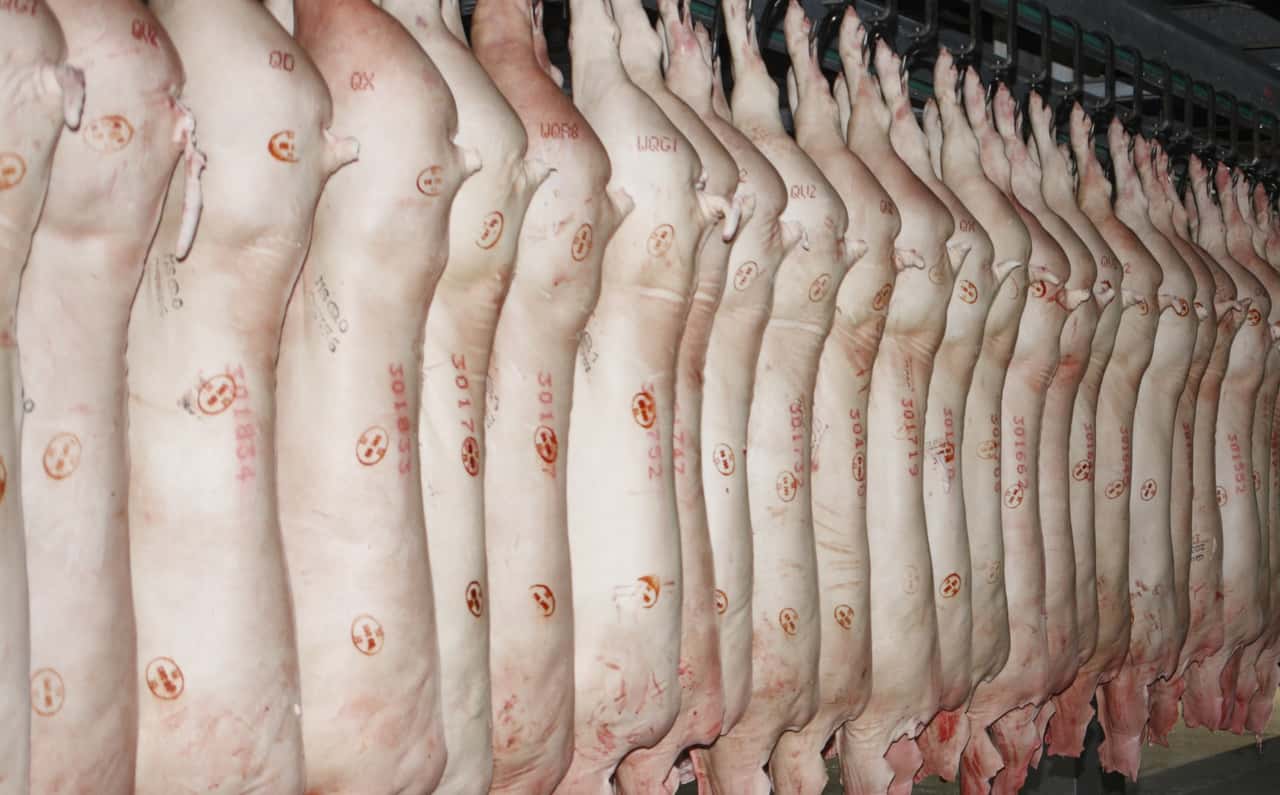
European Union exports of live pigs and pork to markets outside the bloc remained weak in the first half of 2026. Shipment volumes came in 1.3% below the same period a year earlier, according to topagrar.com.
The headline decline is small, but it conceals a sharp split between member states. The driver is the African swine fever (ASF) case confirmed in Spain in November 2025, which led to import restrictions and suspensions across a range of third-country markets and pulled the EU's largest supplier down with it.
Spain still the biggest exporter despite ASF curbs
Spain remained by some distance the most important exporting member state. Spanish shipments to third countries reached around 585,300 tonnes, a good quarter of total EU exports, topagrar.com reported. Volumes were nevertheless well below the previous year's level.
The reason was the ASF detection in November 2025. In its wake, exports to numerous third countries were heavily restricted or suspended outright. Because Spain accounts for more than a quarter of the EU's third-country business, the loss of market access fed straight into the bloc's aggregate result and was the main reason the EU total came in weaker.
Denmark and Germany take up part of the slack
Denmark expanded its exports further from an already high base, topagrar.com reported. Germany also increased shipments noticeably and gained importance in trade with non-EU countries.
The shift matters for buyers as well as sellers. Volume that Spanish plants cannot place abroad is either redirected into the EU internal market or replaced at destination by Danish, German and non-European suppliers. Every month the restrictions stay in force gives competitors more time to build commercial positions on markets that Spain will have to win back later.
China weighs on the result, South Korea grows
China and the United Kingdom remained the most important outlets for European pork. Markedly lower deliveries to China had the strongest dampening effect on the EU export result, according to topagrar.com. The United Kingdom is a different kind of destination — close by, high-value and less exposed to the swings that characterise Chinese buying — but it cannot absorb the volumes China takes off the market in a strong year.
South Korea was the clear positive, with EU exports to the country rising. It is a smaller destination than China, so the growth cushions the Chinese shortfall rather than offsetting it. For processors in Denmark, Germany and the Netherlands, however, Asian outlets beyond China have become a more important part of the commercial mix.
Outlook stays subdued while restrictions hold
topagrar.com expects the subdued export trend to continue in the coming months for as long as the trade restrictions on Spain remain in place. That makes a handful of variables decisive for the second half of the year:
- Whether third countries, China above all, move to recognise regionalised restrictions on Spain instead of applying nationwide bans.
- How much of Spain's lost volume Danish and German exporters can retain once Spanish access is restored.
- Whether the growth in shipments to South Korea continues and broadens to other Asian buyers.
Until those questions are answered, the EU's third-country export performance remains tied to a single animal-health file. A bloc-wide decline of 1.3% is manageable in aggregate, but the burden is concentrated in one member state, and the redistribution of volume between Spain, Denmark and Germany is likely to outlast the restrictions themselves.