European Parliament rejects EU plan to reclassify Italian soybean crops as deforestation risk
The European Parliament voted down a European Commission proposal that would have equated sustainable Italian soybean cultivation with deforestation-linked production. Coldiretti and Filiera Italia called the outcome a victory for Italian growers. The measure had targeted a global ILUC risk coefficient for soybean oil used in biofuels.
European Parliament rejects proposal to reclassify Italian soybean crops
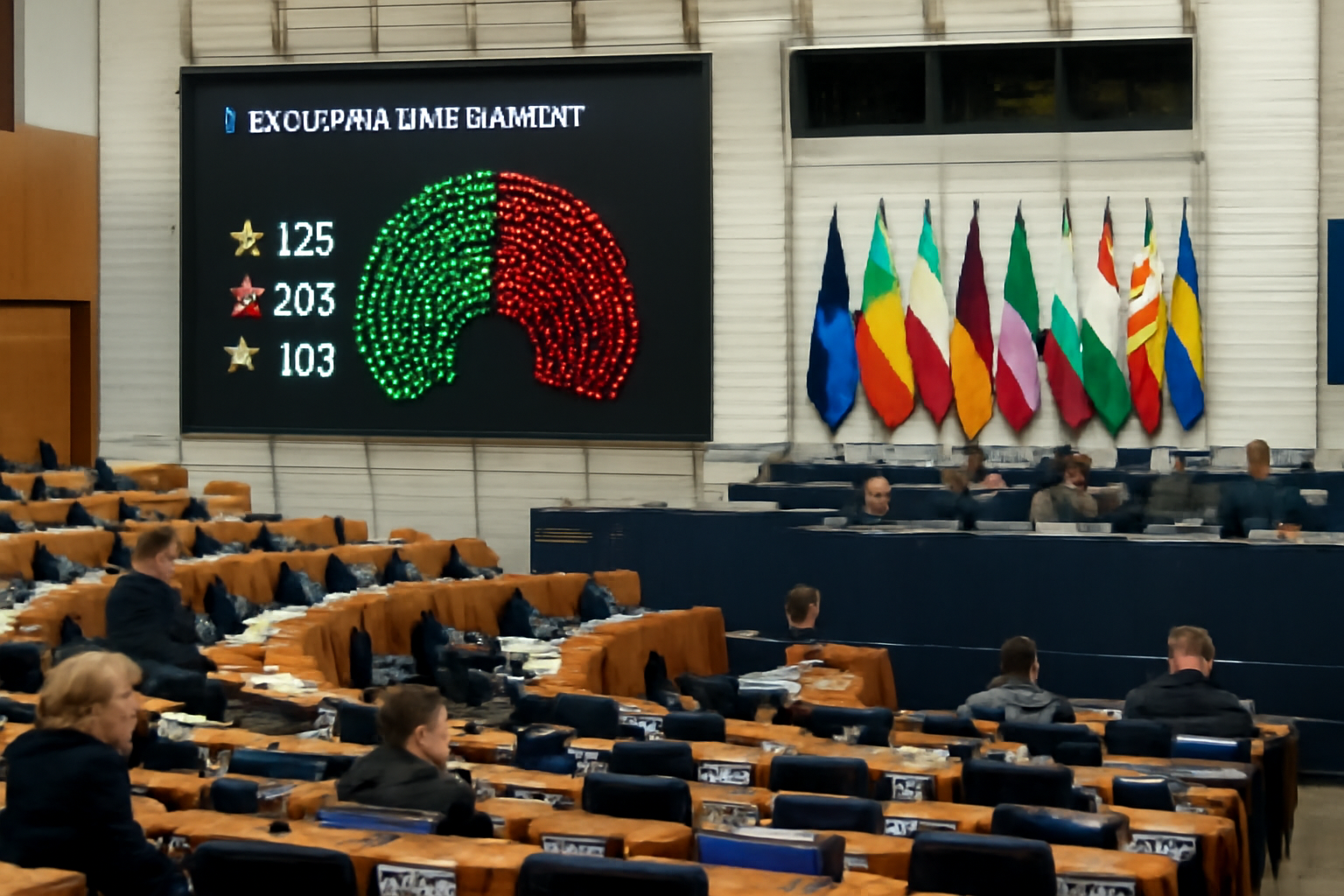
The European Parliament has voted down a European Commission proposal that would have equated sustainable Italian soybean cultivation with production linked to deforestation, farmers organisations Coldiretti and Filiera Italia said on 9 July. The two bodies described the outcome as a victory for domestic growers, achieved together with Italian members of parliament to block a measure they said would have had catastrophic effects on the feed supply chain and on national livestock farming.
The vote approved an objection to the Commission proposed revision of the Indirect Land Use Change (ILUC) regulation. The rejection keeps soybean oil eligible under existing renewable energy rules while the wider debate on land use continues.
What the Commission proposed
The proposal, presented by the executive led by Ursula von der Leyen, aimed to gradually cut the contribution that biofuels, bioliquids and biomass fuels considered to carry a high risk of indirect land use change make toward renewable energy targets. Soybean oil was among the crops targeted.
Coldiretti and Filiera Italia said they shared the objective of countering indirect land use change but identified a serious inconsistency in the text. The proposal applied to soy a risk coefficient calculated on a global scale, without distinguishing between crops grown in areas affected by deforestation and those cultivated in Europe.
Why Italy objected
Under that approach, Italian and European soy, grown on established agricultural land and without effects on land use change, would have been treated the same as soy from countries with genuine environmental problems, the two organisations argued. They described the framework as the product of an ideological reading of the Green Deal theoretical models rather than an assessment of how different production systems actually operate.
Italy is the largest soybean producer in the European Union, according to Coldiretti and Filiera Italia. The organisations said the reclassification risked penalising precisely the country with the most consolidated and sustainable output.
Impact on feed and biofuel supply chains
The two bodies warned that the Commission approach threatened the competitiveness of the feed and livestock sectors, which rely on soybean-derived products for protein. They added that it would also weaken the European Union own goals on strategic autonomy and the development of biofuels, since cutting the recognised contribution of domestic soybean oil would leave the bloc more dependent on imported feedstocks.
- Italy is described as the leading European producer of soybeans.
- The rejected coefficient would have applied a single, worldwide risk value to soy regardless of origin.
- Domestic soy is grown on consolidated farmland, without land use change effects, according to the two organisations.
For importers and processors, the vote removes, at least for now, a regulatory change that would have reduced the eligibility of soybean-based biofuels toward renewable energy targets and reshaped the economics of feed and biofuel supply across the bloc. The outcome does not change the Commission stated aim of tackling indirect land use change, and a revised text could return with origin-based criteria rather than a single global coefficient.