EU packaging rules put design, recyclability and reuse at the center
The European Union’s new packaging framework shifts responsibility toward packaging design, composition and repeated use. Businesses face waste-reduction targets, restrictions on several single-use formats and a 2030 objective for packaging to be recyclable or reusable.
Regulation moves upstream to packaging design
The European Union’s packaging and packaging waste regulation is changing the focus of environmental compliance from disposal to the way packaging is designed, composed and used. Diario de Mallorca reports that the regulation was approved in December 2024 and became applicable in August, with its main obligations arriving progressively through 2030 and, in some cases, 2040.
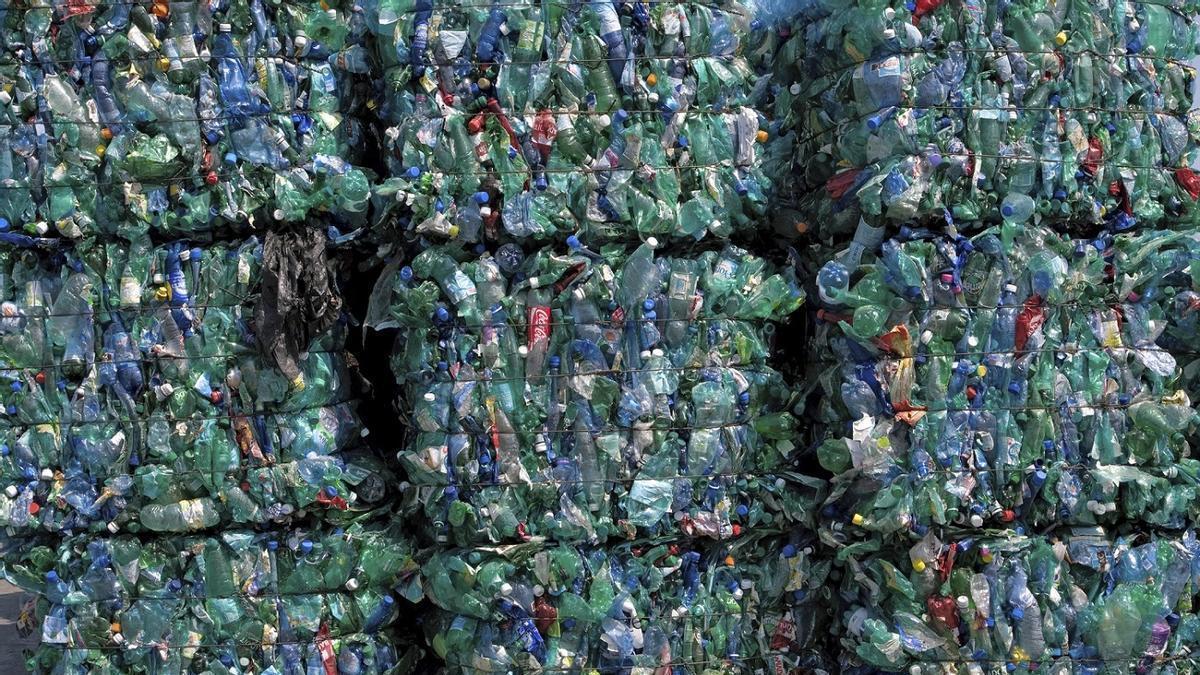
The framework addresses a large source of material demand and municipal waste. According to the publication, packaging accounts for 40% of total plastic production and more than one-third of the volume passing through waste containers. Because the measure is a regulation rather than a directive, it applies directly across the EU without requiring national transposition.
Reduction targets and single-use restrictions
Each member state must reduce packaging waste generated per person by 5% in 2030 compared with 2018. The reduction rises to 10% in 2035 and 15% in 2040. These targets will affect packaging producers as well as consumer-goods companies, retailers and logistics operators whose sales models depend on increasingly large volumes of protective and presentation materials.
From 2030, the regulation will prohibit several formats considered unnecessary. The list described by Diario de Mallorca includes single-use plastic packaging that groups products, trays and nets for fresh fruit and vegetables sold in quantities below 1.5 kilograms, disposable tableware for food consumed inside restaurants, individual portions of mayonnaise, ketchup, jam and coffee milk, and small shampoo bottles in hotels.
E-commerce packaging will also face a measurable design constraint. Empty space inside a box may not exceed 50%, and crumpled paper and air cushions will count as empty space. This requirement could push retailers, fulfillment centers and packaging suppliers toward a wider range of box sizes, more precise packing systems and redesigned protective materials.
Recyclability, reuse and compliance costs
The regulation sets an objective for all packaging to be recyclable or reusable by 2030. Producers will therefore have to consider the entire packaging life cycle at the development stage. Sectors in which packaging is part of the product’s commercial identity may face particularly difficult decisions. Cosmetics, for example, can use two or three packaging layers before the customer reaches the product itself.
Labels will also need to become more consistent so consumers can identify the correct waste container. Packaging must additionally be designed to support the maximum possible number of reuse cycles. Even small components fall within the framework: the source notes that stickers showing the origin of apples are legally packaging and will eventually need to be compostable.
Non-recycled plastic already carries direct financial costs. Member states pay the EU €0.80 for every kilogram of plastic packaging waste that is not recycled, while manufacturers and importers have paid €0.45 per kilogram of non-recycled plastic since 2023, according to Diario de Mallorca. The long implementation timetable gives companies time to redesign products and procurement, but it also leaves room for delays, exemptions and industry pressure. Microenterprises already receive exceptions. For international suppliers, the commercial effect will extend beyond Europe because packaging made for the EU market may require different materials, formats, labels and reuse characteristics from those used elsewhere.