EU packaging regulation will change six-pack formats, not ban bottled water or soft drinks
EU Regulation 2025/40 does not prohibit six-packs of bottled water or soft drinks. It targets unnecessary single-use plastic packaging and will push producers and retailers toward recyclable alternatives as its requirements are phased in.
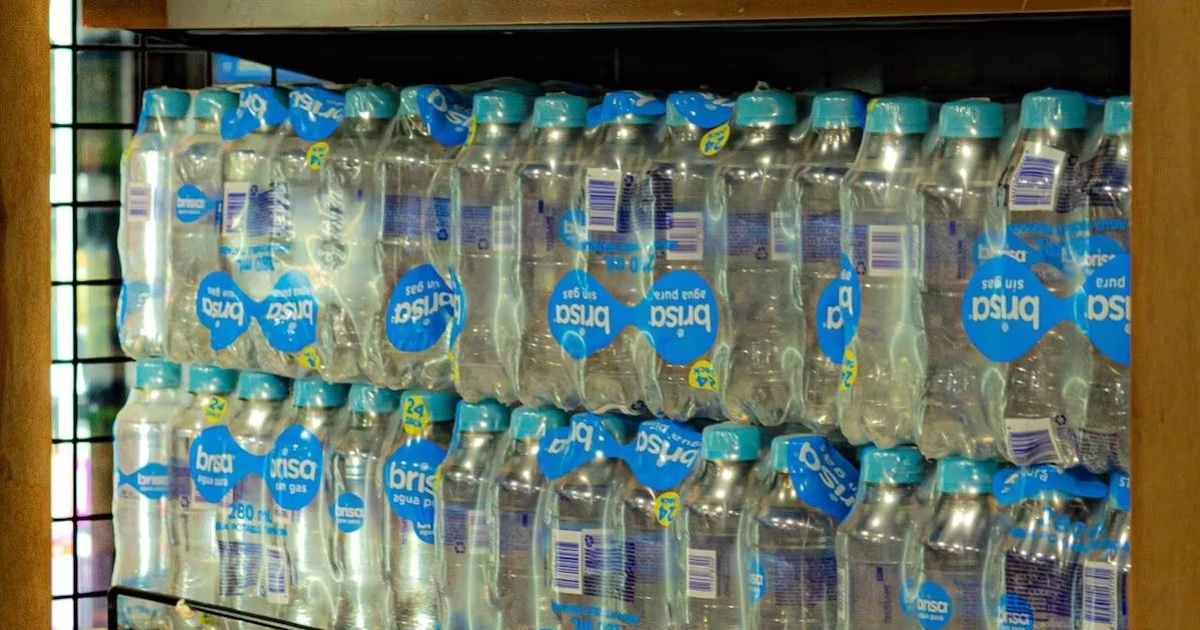
Six-packs will remain on supermarket shelves
EU Regulation 2025/40 on packaging and packaging waste does not ban supermarkets from selling six-packs of bottled water or soft drinks. According to Metrosport, recent reports and social-media posts claiming that the European Union will abolish six-packs from August misrepresent the regulation.
The legislation instead changes how multiple bottles or cans may be grouped and sold. It targets unnecessary single-use plastic packaging, including shrink film and plastic rings used to hold several products together. The products themselves and the six-pack sales format are not prohibited.
Beverage companies will gradually be expected to adopt alternatives such as paper bands, cardboard bases or other recyclable packaging formats. The transition therefore concerns the materials surrounding grouped products, rather than the availability of bottled water and soft drinks or the number of units consumers can buy together.
Application begins in August 2026
Regulation 2025/40 entered into force on 11 February 2025, while its general application begins on 12 August 2026. Metrosport notes that most of the changes will be implemented progressively over the following years, meaning the start of general application is not a single deadline for the immediate disappearance of every existing plastic multipack.
The regulation forms part of a wider EU effort to reduce packaging waste and strengthen recycling. The scale of the issue is substantial: each European citizen currently generates more than 180 kilograms of packaging waste per year, according to the figures reported by Metrosport.
By 2030, all packaging placed on the EU market will have to meet specified recyclability criteria. For producers, that extends the issue beyond one familiar supermarket format. Packaging design, material selection and production processes will increasingly have to be aligned with the new requirements across product portfolios.
Investment decisions move to packaging lines
Food and beverage producers and retailers expect compliance to require significant investment in new production lines and different packaging materials, Metrosport reports. Companies will need to assess whether existing equipment can handle paper bands, cardboard supports or other recyclable solutions at the speed and scale required for mass-market beverages.
Large European companies and supermarket chains are already testing new packaging and reuse models in France, Germany, Belgium and Denmark. Those trials may help determine which alternatives offer sufficient strength for transport and shelf handling while remaining practical for high-volume retail operations.
- Six-packs of bottled water and soft drinks are not being banned.
- The regulation targets unnecessary single-use plastic such as shrink film and plastic rings.
- General application starts on 12 August 2026, with many changes introduced gradually.
- All packaging sold in the EU must meet specified recyclability criteria by 2030.