EU-Mexico trade deal removes key tariffs on poultry, pork and dairy
The EU and Mexico signed a modernised agreement on May 22 that substantially improves access for European agri-food products. Poultry tariffs of up to 100% will be removed, while pork and dairy exporters will gain duty-free access under new quotas.
Agreement replaces framework dating from 2000
The European Union and Mexico signed a modernised global agreement and an interim trade agreement on May 22, replacing a framework in force since 2000. The earlier accord expanded bilateral trade for more than 25 years but retained high tariffs on numerous agricultural products. Food is consequently among the sectors receiving the largest degree of liberalisation under the new terms.
Top Agrar reports that the agreement could be particularly relevant for Poland, whose agri-food industry has substantial production and exports in poultry, pork and dairy products. Experts from the government portal Trade.gov.pl, cited by Newseria, also identify processed products and selected high-quality foods as areas with potential for additional Polish sales.
The market is already significant for European suppliers. According to European Commission figures reported by Top Agrar, Mexico is the second-largest buyer of EU food in Latin America. EU exports of food and beverages to Mexico reached €2.5 billion in 2025, including €175 million of dairy products.
Poultry duties of up to 100% set for removal
The largest tariff change concerns poultry. Mexico currently applies duties of up to 100% to European poultry meat. The new agreement provides for their elimination, with some products receiving duty-free access within agreed quotas. This substantially changes the competitive position of EU suppliers against companies already serving the Mexican market.
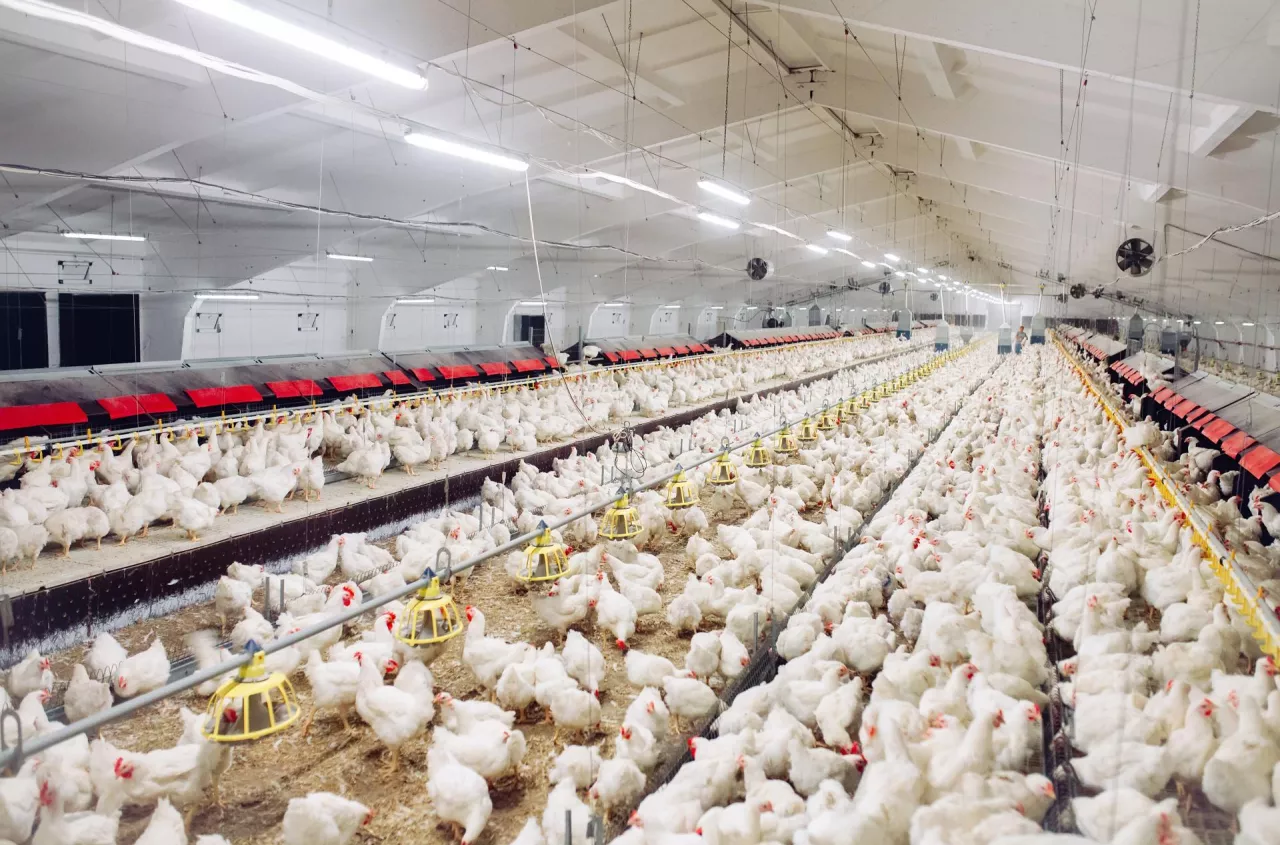
Poland, the EU’s leading poultry producer and one of its largest exporters, may be among the principal beneficiaries. About 60% of Polish poultry output is sold abroad because domestic production considerably exceeds local consumption. Access to another large consumer market could therefore provide an additional outlet for farms and processors, although exporters will still need to meet veterinary requirements and secure approval for individual plants.
Mexico also currently levies pork tariffs of up to 45%. Under the new arrangements, some European pork will enter duty-free, including a tariff-free quota of 10,000 tonnes for pork loin. For processors, access to markets outside the EU can improve carcass utilisation because demand and prices for individual cuts vary between countries.
Cheese and yogurt gain new access
Some European cheeses currently face Mexican tariffs of up to 45%. These duties are due to fall to zero within new quotas covering 20,000 tonnes of other cheeses and 5,000 tonnes of fresh and processed cheeses. The tariff on yogurt is set to decline from 20% to zero. These concessions matter to milk-surplus producers such as Poland, where exports of cheese, milk powder, butter and other dairy products absorb a substantial share of farm milk.
The agreement is reciprocal, and the EU will also open parts of its market to Mexican products, using tariff-rate quotas for sensitive agricultural goods. Polish member of the European Parliament Waldemar Buda told Newseria that Poland has few products to export and could either lose in agriculture or see a neutral outcome. Top Agrar argues that the tariff provisions point to opportunities in poultry, pork and dairy, while noting that the result will depend on companies converting formal market access into sales.
Polish institutions are already supporting that effort. The Polish Investment and Trade Agency organised a food-focused business mission to Mexico in October 2025. The Agriculture Ministry and the National Support Centre for Agriculture also recruited companies and producer organisations for an EU mission led by Agriculture Commissioner Christophe Hansen from November 16 to 19. Beyond tariffs, its agenda includes buyers, veterinary arrangements and plant authorisations—conditions that will determine how quickly European meat and dairy companies can use the agreement.