EU-Mercosur deal starts trimming European wine prices in Brazil
Under the provisional EU-Mercosur trade agreement, Brazil's wine import tariff fell from 27% to 24% in May, but consumers saw only a 2% to 2.5% discount. Full elimination by 2034 could bring up to a 20% accumulated reduction, with the next cut to 21% due in 2027. Importers cite high-cost stock and compressed margins as reasons the retail effect remains limited.
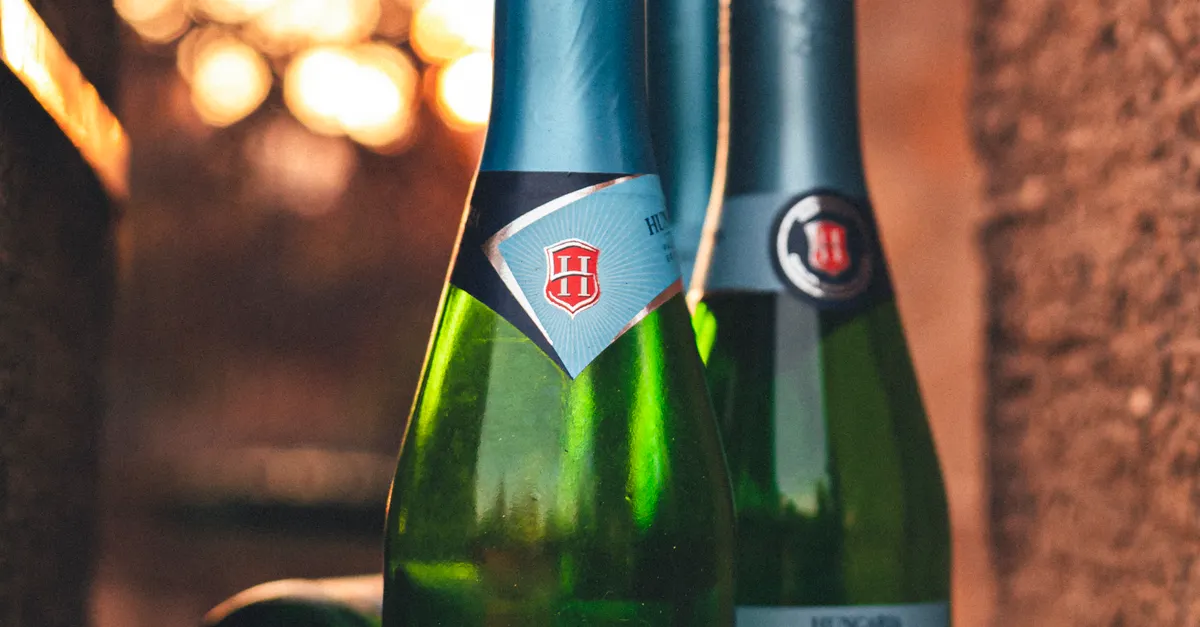
European wine is becoming cheaper in Brazil, but slowly. The first months under the provisional free trade agreement between Mercosur and the European Union have produced only a modest decline in retail prices, and the industry says the meaningful relief lies several years ahead.
The tariff timetable
In May, the wine import tariff fell from 27% to 24%, but the reduction passed on to consumers was only 2% to 2.5%, according to data from World Wine, one of Brazil's largest importers. The sector expects the discount to deepen over the coming years. With the full elimination of the tariff scheduled for 2034, the accumulated reduction could reach 20%. The agreement's timetable sets the next cut for 1 January 2027, when the rate will drop to 21%.
Why the shelf price barely moved
For Juliana La Pastina, CEO of Grupo La Pastina, which controls World Wine, a defined downward path for the import tax is a positive factor that allows pricing to be planned. She said the company is already adjusting contracts and inventories to absorb future reductions and pass them on gradually to the final consumer.
The practical effect, however, remains limited. Felipe Galtaroça, CEO of Ideal.BI, a consultancy focused on the wine market, argues that a three-percentage-point cut in the tariff does not translate into a significant retail reduction, because of the high volume of stock built up when the exchange rate was higher. He added that the margins of importers, distributors and retailers are compressed, making new pass-throughs difficult.
Ample supply, moderate demand
The Brazilian wine market is going through a period of broad supply and moderate demand. High inventories, combined with strong competition between brands and reduced retail investment due to expensive credit, push prices down but also limit the room for further cuts. According to Galtaroça, the replenishment of stock at the 21% tariff in 2027 should make the reduction more noticeable for consumers.
European labels gain ground
Despite the pricing challenges, World Wine's data point to growing Brazilian interest in European labels. France remains the leading origin by import volume, but demand is rising for wines from Spain, Italy and Portugal. The trend reflects both the diversification of the national palate and importers' strategy of offering options across different price ranges. The sector expects that, as tariffs fall gradually, consumption of European wine will gain further ground in the domestic market, especially among middle-income consumers.