EU's push for homegrown soy runs into its own regulations
The EU wants to grow more soybeans at home and cut its reliance on imports. But new EU regulations threaten to make domestic soy farming unattractive, undermining the bloc's self-sufficiency goal and leaving import-dependent supply chains in place.
Europe wants less imported soy — and more of its own
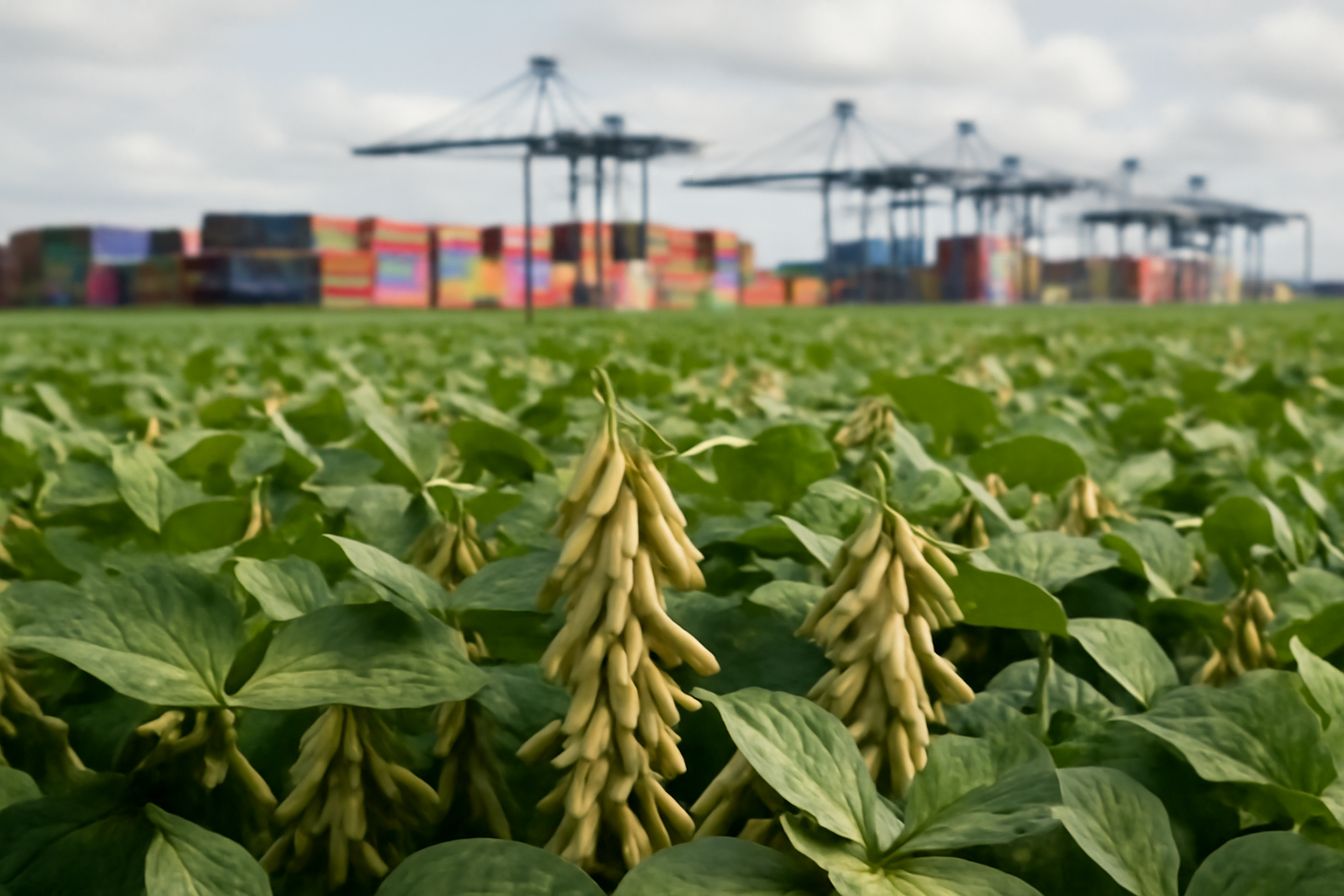
The European Union is trying to grow more soybeans on its own farmland and lean less on imported supplies. The aim is to cut the bloc's dependence on soy shipped in from outside its borders, much of which feeds Europe's livestock sector. Yet a set of new EU rules threatens to make domestic soybean farming less attractive for the very growers the policy is meant to encourage.
The tension is straightforward. Brussels has set out to expand European soybean acreage as a way to shorten supply chains and reduce reliance on foreign sellers. At the same time, new regulations coming out of Brussels risk pushing in the opposite direction, discouraging farmers from planting the crop at home.
For importers and exporters, this is not an abstract question. Europe's feed and crushing industries have long relied on a steady inflow of soybeans and soymeal, and the balance between homegrown and imported supply shapes purchasing decisions, contract volumes and the direction of prices across the market.
Why the contradiction matters for trade
Soy is one of the most heavily traded agricultural commodities feeding into the European market, used above all as animal feed in pork, poultry and dairy production. Any shift in how much soy Europe grows versus how much it buys abroad reverberates through trade flows and affects the suppliers who currently ship large volumes into EU ports.
If the EU succeeds in expanding domestic cultivation, import demand would soften over time, changing the calculus for exporters that count on European buyers. If instead the new rules blunt the incentive to plant soy in Europe, the bloc stays dependent on imports, and the goal of greater self-sufficiency slips further out of reach.
The regulatory friction
The core problem is that Europe's own rulebook works against its stated ambition. New EU regulations could make growing soybeans on European soil unattractive, undercutting the incentive structure needed to expand the crop. That leaves farmers weighing whether the returns justify planting soy under the new rules rather than sticking with established alternatives.
What importers and exporters are watching
For companies moving soybeans and soymeal into and around Europe, the near-term picture is unchanged: the EU remains a major destination for imported soy. The longer-term question is whether Brussels resolves the clash between its self-sufficiency goal and its regulatory agenda. Until it does, the incentive for European farmers to shift acreage into soy stays clouded, and import-dependent supply chains have little reason to reshape.