EU ETS raises shipping’s carbon bill as 70% compliance phase begins
Shipping companies must surrender EU allowances covering 70% of their verified 2025 emissions in 2026. With December 2026 EUA futures averaging €82.36 per tonne in August, carbon is becoming a larger and more volatile component of voyage costs.
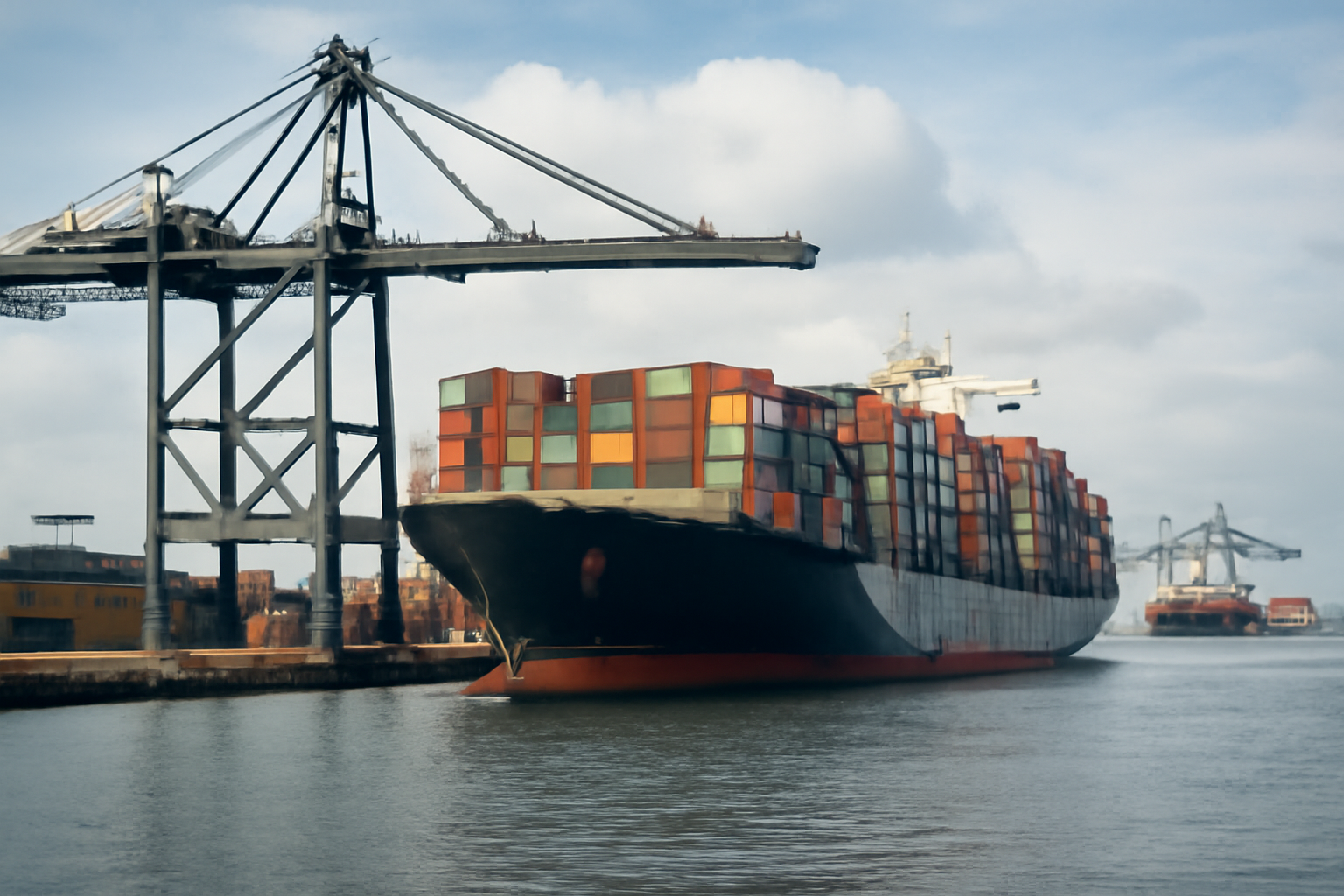
Shipping moves deeper into the EU carbon market
Shipping companies face a larger carbon-compliance bill in 2026 as the industry advances through the phased introduction of maritime transport into the European Union Emissions Trading System. Companies must surrender EU allowances, known as EUAs, covering 70% of their verified emissions for 2025. The transition then reaches full application in 2027, when companies will have to cover 100% of emissions generated during 2026.
The higher coverage requirement coincides with a rising allowance market. Citing an analysis by Intermodal Senior Analyst Nikos Tagoulis, OT reported that the December 2026 EUA futures contract averaged €82.36 per tonne in August. At the time of the analysis, it stood at €83.30 per tonne, about 6.5% above the 2026 average. Every increase in the carbon price raises the cost of voyages falling within the EU ETS.
Energy markets reinforce allowance demand
The September 30 compliance deadline is already generating additional EUA demand as regulated companies, including shipowners and operators, buy the allowances needed to meet their obligations. Commercial companies participating in the system have increased their exposure to futures to hedge against a further price rise, while investment funds have reduced their net bullish positions in recent weeks, according to OT.
European natural gas is one of the main forces behind the stronger carbon market. Dutch TTF prices have risen amid geopolitical tensions, the loss of volumes from Qatar, low European inventories and competition with Asia for LNG cargoes. More expensive gas can make coal-fired power generation more competitive. Greater use of higher-emitting plants would increase demand for allowances.
Improving European industrial activity is providing another positive signal for EUA demand. The eurozone manufacturing purchasing managers’ index reached its highest level in more than four years in August. New orders strengthened, exports recovered and factory employment increased for the first time in more than three years.
Carbon joins fuel and freight in voyage calculations
For shipping companies, allowances are becoming another volatile operating-cost component alongside fuel, freight rates and port charges. Higher compliance expenses may be passed through in freight pricing where contracts allow, but the timing of EUA purchases and the effectiveness of hedging will affect the exposure of individual operators. The move from 70% to 100% coverage also increases the value of fuel efficiency, lower-emission operations and fleet investment decisions that reduce emissions subject to the system.
The longer-term price outlook remains partly dependent on policy in Brussels. The European Commission’s proposal for the EU ETS after 2030 envisages a slower reduction in the emissions cap and more available allowances than under the current framework, which could ease price pressure. A future link between the EU ETS and the UK ETS could also create a larger common market and expand the pool of allowances.
Until those policy choices are settled, allowance prices will remain closely tied to European gas and electricity markets and geopolitical uncertainty. Shipowners, charterers and cargo interests therefore face a carbon charge that is not only increasing through the scheduled compliance phase-in but also fluctuating with energy-market conditions.