EU emissions costs push Jeep Wrangler out of the German market
Jeep is ending Wrangler sales in Germany after almost four decades as stricter EU requirements and high CO2 costs undermine the model’s commercial viability. Production and sales will continue in other markets, according to CHIP.
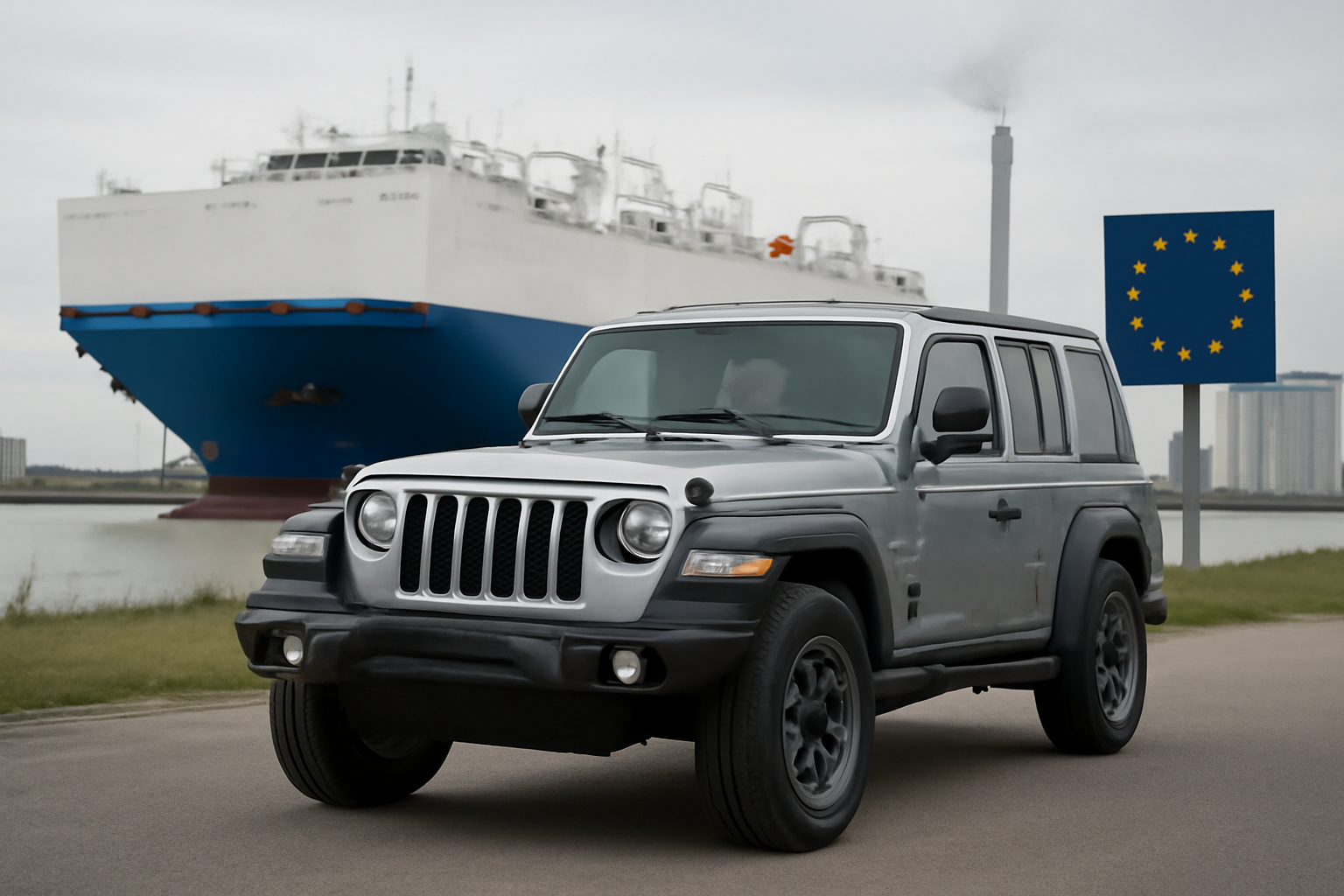
German sales reach the end of the road
The Jeep Wrangler is disappearing from the German market after almost four decades, with stricter European Union requirements and high carbon dioxide costs making continued sales increasingly difficult. German technology publication CHIP reported that the regulatory burden has brought the model’s long presence in Germany to an end, even as its history continues in other markets.
The withdrawal concerns Germany rather than a global end to the Wrangler. Production and sales are continuing elsewhere, allowing Jeep to retain the model in countries where emissions rules, compliance costs and customer demand produce a different commercial calculation. The available information does not specify a final German sales date, affected versions, sales volumes or production changes.
CO2 compliance changes the economics
The Wrangler occupies a difficult position under European emissions regulation. Its off-road design and associated carbon dioxide output expose it to costs that are harder to absorb in a market governed by increasingly strict requirements. For a manufacturer, keeping such a vehicle on sale is not only a question of customer demand. It also affects the emissions performance and compliance cost of the wider vehicle portfolio.
That calculation can make a long-established model commercially unattractive even without a collapse in demand. Higher compliance expenses can be passed into retail prices, accepted as a reduction in margins or balanced against lower-emission vehicles. Withdrawal removes the model from the German sales mix and limits the additional regulatory cost attached to each vehicle sold there.
Impact on dealers and the off-road segment
For German dealers, the decision removes one of the best-known dedicated off-road vehicles from new-car offerings. Customers seeking a Wrangler will face a narrower official market, while existing vehicles may become more important to specialist dealers, service businesses and the used-car trade. No information has been provided on future parts availability, warranties or after-sales support, so conclusions about those activities would be premature.
The exit also shows how regional regulation can divide the commercial life of a global vehicle. A model can remain viable in markets with different emissions regimes while becoming too costly to offer in the EU. This creates separate product strategies, pricing structures and model ranges across countries, even when production continues.
A regional retreat, not the end of the model
For Jeep, the immediate effect is the loss of Wrangler sales in Germany rather than the closure of a production line or the worldwide retirement of the vehicle. CHIP’s report indicates that the model will continue elsewhere, preserving its role in Jeep’s international portfolio.
The broader signal for the automotive industry is that regulatory costs can determine whether specialist vehicles remain available in individual countries. Producers must weigh relatively limited sales against fleet emissions exposure and compliance spending. Importers and dealers, meanwhile, face fewer products to sell when a model’s regulatory cost exceeds the value of maintaining a national market presence.