EU egg imports surge as consumption growth and avian flu squeeze supply
EU egg demand is rising faster than domestic supply as avian flu reduces laying flocks. First-quarter imports reached 94,000 tonnes, matching the volume imported during all of 2025, according to RFI.
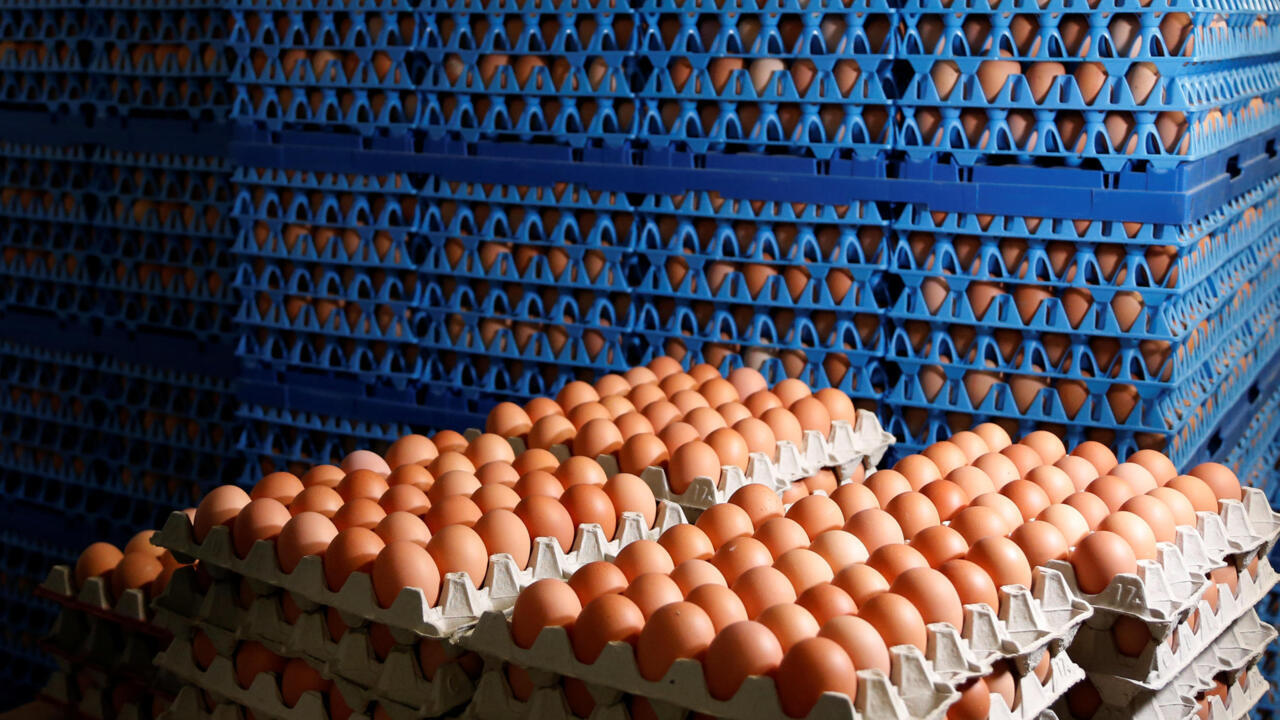
Egg demand outpaces European production
Europe is turning more heavily to imported eggs as consumption growth collides with reduced domestic production. According to RFI, the European Union imported 94,000 tonnes of eggs in the first quarter of this year, as much as it brought in during the whole of 2025. Imports remain a minority of the eggs sold in European supermarkets, where local products still dominate, but the speed of the increase signals a widening supply gap.
Demand has been building over several years. RFI reports that sales of egg cartons in supermarkets have increased by 25% over 10 years and by 11% in the past three years. Eggs are now the most frequently purchased supermarket item, ahead of milk and yoghurt. Their appeal rests on a combination of protein content, affordability, ease of preparation and suitability across religious diets. Social media trends have also helped keep eggs prominent in consumer diets.
Avian flu cuts laying flocks
European farmers are selling all the eggs they produce, but disease has prevented the sector from expanding output fast enough. Avian flu outbreaks have forced authorities to confine or cull laying hens, directly reducing production capacity. In Spain, all hens were ordered indoors at the end of 2025 as migratory birds carried the disease between countries. Two million hens were subsequently culled.
The disruption was still larger in Poland, where 9 million hens were killed to prevent the disease from spreading. These losses matter beyond the immediate number of birds: rebuilding laying flocks and restoring egg output takes time. With consumption continuing to rise, processors, retailers and food-service buyers must compete for a smaller pool of European supply, increasing the commercial importance of imports even though domestically produced eggs still account for most retail sales.
Ukraine and Turkey gain market share
Ukraine has become the EU's leading external egg supplier by a wide margin, RFI reports. Ukrainian production exceeds domestic requirements, creating a surplus available for export. Producers there also operate under fewer constraints than poultry farms in the EU, allowing higher yields. Turkey has emerged as another significant supplier: EU egg imports from the country have multiplied by 24 this year. China, despite its greater distance from the European market, is also supplying increasing volumes.
The shift creates opportunities for exporters but sharpens the competitive debate inside the EU. European producers face stricter farming requirements while imported eggs can originate from systems governed by different standards. France, described by RFI as the EU's leading poultry-producing country, is preparing a domestic supply response. A total of 220 new poultry-farm projects are under consideration, with the objective of restoring national self-sufficiency in eggs by 2035. Until those projects translate into laying capacity, the EU market will remain exposed to avian-flu losses and increasingly reliant on Ukraine, Turkey and other external suppliers to cover incremental demand.