European Commission urges EU countries to reduce gas and electricity consumption
The European Commission has called on EU member states to reduce gas and electricity consumption amid instability in the energy market, OSN Media reported. Lower demand could ease pressure on regional energy prices, but the available report provides no targets or timetable.
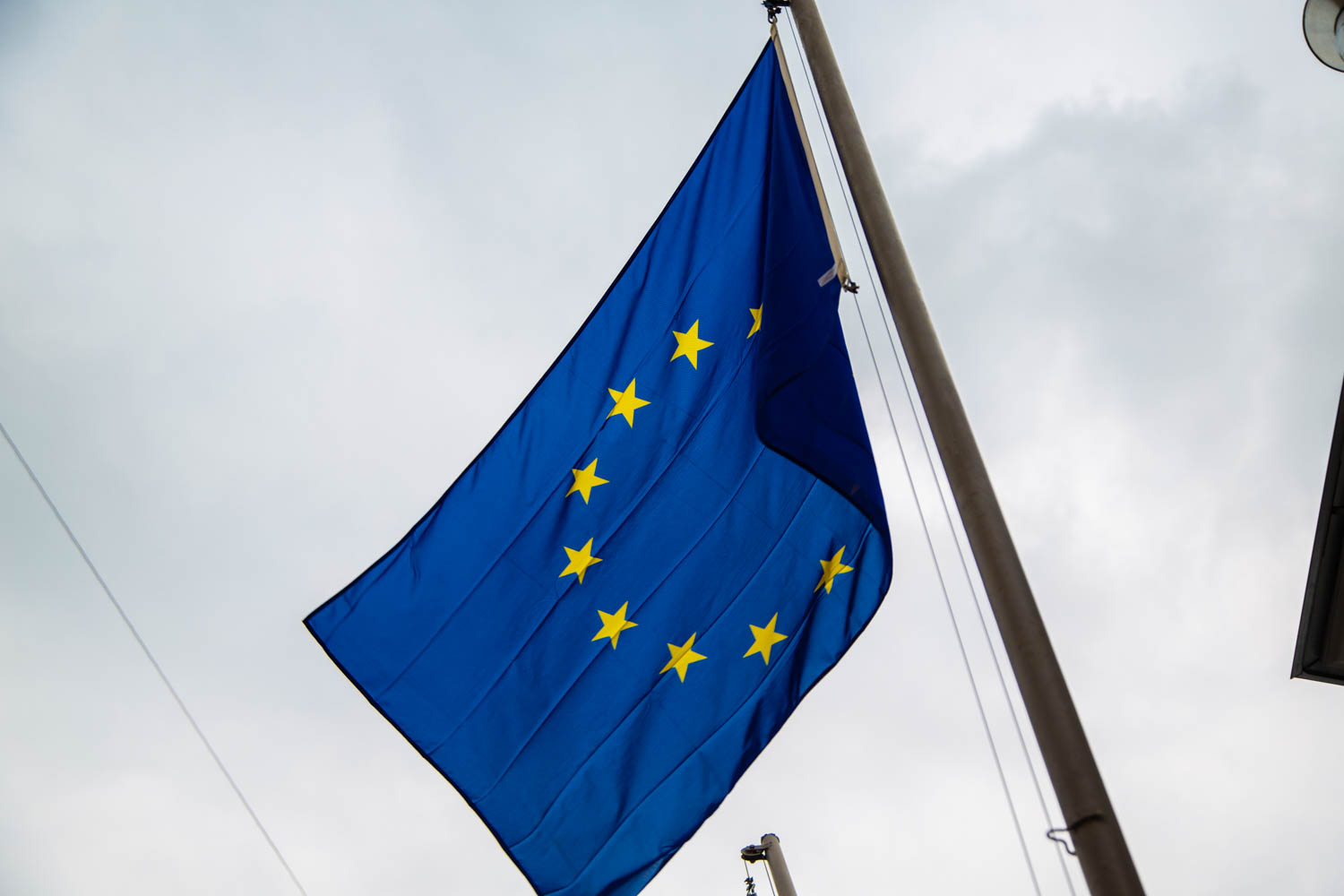
Commission calls for lower energy use
The European Commission has urged European Union member states to reduce their consumption of natural gas and electricity amid unstable conditions in the energy market, according to OSN Media. The report identifies demand reduction as the Commission’s central message but does not specify a numerical target, implementation deadline or mandatory mechanism.
The call places energy consumption back at the center of the EU’s response to market volatility. For governments, utilities and large industrial users, the practical impact will depend on whether member states introduce national conservation measures, incentives or binding restrictions. No such measures were detailed in the available report.
Demand and price implications
A coordinated decline in consumption would reduce the amount of gas and electricity that buyers need to secure. That could limit competition for available supply and ease pressure on wholesale markets. The scale of any price effect, however, would depend on the volume of demand removed, the duration of the reductions and broader supply conditions. The source provides no forecasts for prices, consumption or gas inventories.
Gas and electricity markets are closely connected in Europe because gas is used for power generation. Lower electricity demand can therefore reduce fuel requirements at gas-fired plants, while direct cuts in household and industrial gas use can affect the same market from another direction. The Commission’s appeal addresses both sides of that relationship, although the report does not indicate which consumers or economic sectors are expected to deliver the reductions.
Choices for governments and industry
Member states will determine how the recommendation affects local markets. Possible responses may differ because national energy systems, industrial demand and generation mixes are not uniform across the EU. The available information does not say whether the Commission expects voluntary savings, public-sector measures or formal consumption limits, so companies cannot yet calculate a specific operational impact from the call alone.
Energy-intensive producers will watch for national policy details because lower consumption can be achieved through efficiency improvements or reduced output, with very different consequences for costs and production. Electricity suppliers and gas traders will also need to assess whether demand forecasts should change. A measurable decline in use would affect procurement needs, power generation and short-term trading, while a largely voluntary appeal may have a more limited market effect.
Market awaits details
The Commission’s intervention signals concern about unstable energy-market conditions, but the report contains no information on the cause or expected duration of that instability. It also provides no figures for current demand, previous consumption levels or the reduction sought from individual countries.
Those omissions limit immediate conclusions for producers, traders and investors. The next relevant signals will be any quantified EU objective and the measures adopted by member states. Until those details emerge, the announcement establishes a policy direction—lower gas and electricity use—without defining its size, timing or enforcement.