EU biofuel demand growth raises prospects for Brazilian ethanol and biodiesel
EU biofuel consumption is projected to rise 6% in 2026 as transport decarbonization rules tighten. Limited European production capacity could create more room for Brazilian sugarcane ethanol, corn ethanol and biodiesel, although strict sustainability requirements remain a barrier.
EU consumption forecast to rise 6%
The European Union is expected to increase biofuel consumption by 6% in 2026 as stricter transport decarbonization targets support demand for ethanol and renewable diesel. Exame, citing the US Department of Agriculture, reported that European production faces constraints that could prevent it from keeping pace with consumption, increasing the bloc’s need for imports.
The USDA expects ethanol to continue gaining market share from gasoline because of its economic competitiveness. Biomass-based diesel consumption is forecast to grow by 2.8% in 2026, following an estimated 4.1% increase in 2025. Tighter emissions targets and expanding mandates for sustainable aviation fuel, or SAF, are among the main demand drivers.
Climate rules reshape the fuel market
Under the EU’s Renewable Energy Directive, RED II, member states must either raise renewable energy’s share of transport to 29% by 2030 or reduce the sector’s greenhouse gas emissions by 14.5%. These requirements are supporting a broader market for fuels with lower lifecycle emissions across road transport and aviation.
Global Market Insights estimates that Europe’s clean-fuels market could be worth about $105 billion by 2035. Over the same period, biofuel consumption is projected to increase from approximately 30 billion to 70 billion liters. If European output remains constrained, that expansion would make access to reliable imported supply increasingly important for fuel distributors, refiners and companies subject to blending mandates.
Brazilian suppliers see opportunity and barriers
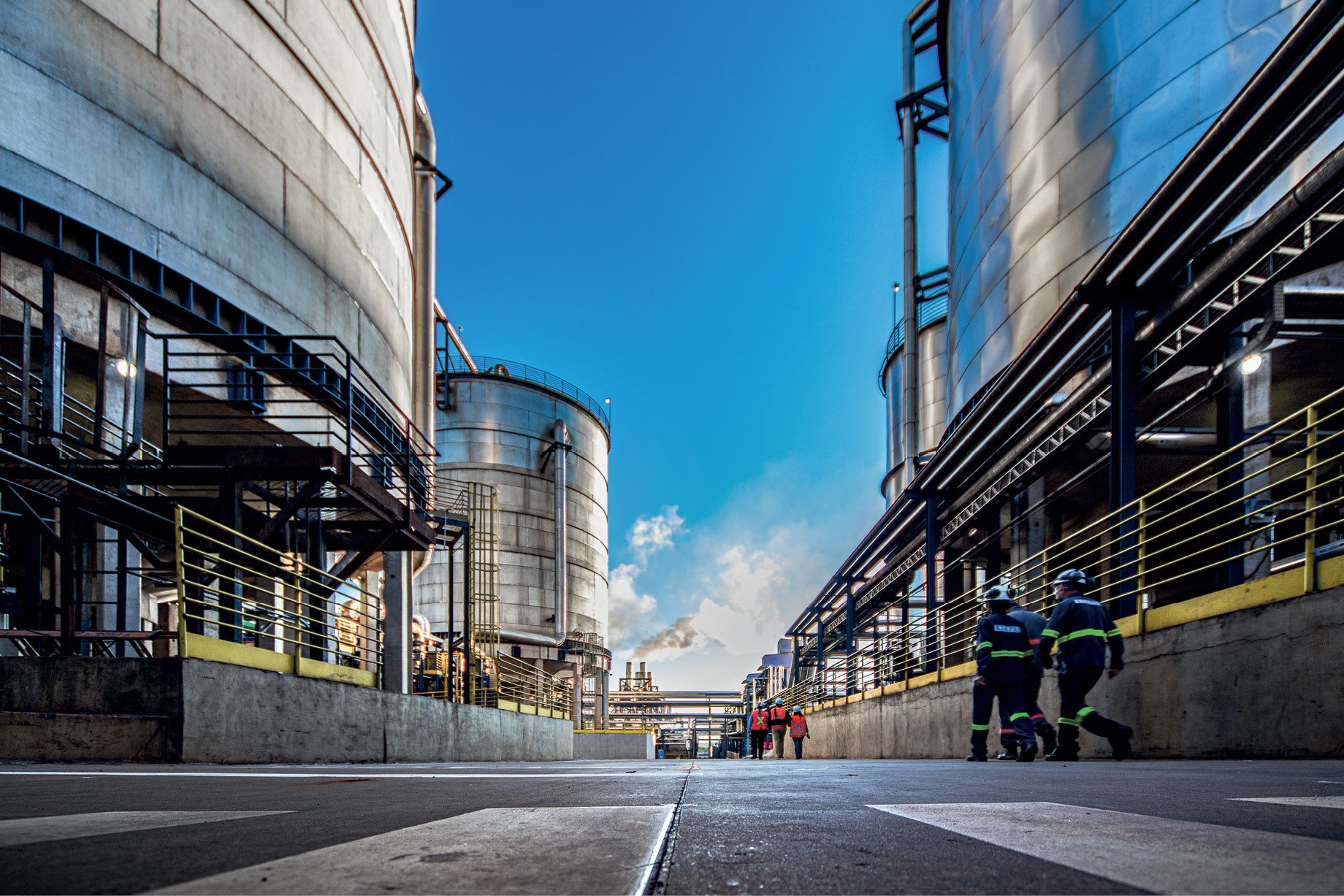
Brazil is one of the world’s largest biofuel producers, using both sugarcane and corn for ethanol. Inpasa alone distills 4.7 billion liters of corn ethanol annually at its Brazilian operations, according to Exame. The country also exported 80 million liters of biodiesel to Europe in 2025, earning $98 million. That volume remains small relative to the projected size of European consumption, leaving potential room for growth if Brazilian products meet the bloc’s rules.
Brazilian expectations also rest on the Mercosur-EU trade agreement and regulatory changes that could maintain a role for low-emission liquid fuels. The European Commission has proposed replacing the planned total ban on combustion engines in 2035 with a target to cut emissions by 90% from 2021 levels. Such a change could create space for low-emission fuels and technologies widely used in Brazil, including flex-fuel vehicles.
Market access is not automatic. In 2022, the European Parliament barred fuels produced from soy and retained a 7% limit for biofuels made from food crops, citing global food-security concerns. Brazil’s government and producers dispute that assessment, arguing that corn and soy processing can deliver fuel and animal-feed coproducts at the same time. DDG generated during processing is used to feed cattle, poultry and pigs. For Brazilian producers and traders, the commercial opening will therefore depend not only on available capacity and price but also on traceability, feedstock eligibility and compliance with increasingly strict environmental criteria.