EU Battery-Electric Car Sales Rise 29.7% to a Record 1.9 Million in 2025
Nearly 1.9 million new battery-electric passenger cars were sold in the EU in 2025, up 29.7% from 2024. Plug-in and conventional hybrids also expanded, while diesel and petrol registrations fell sharply.
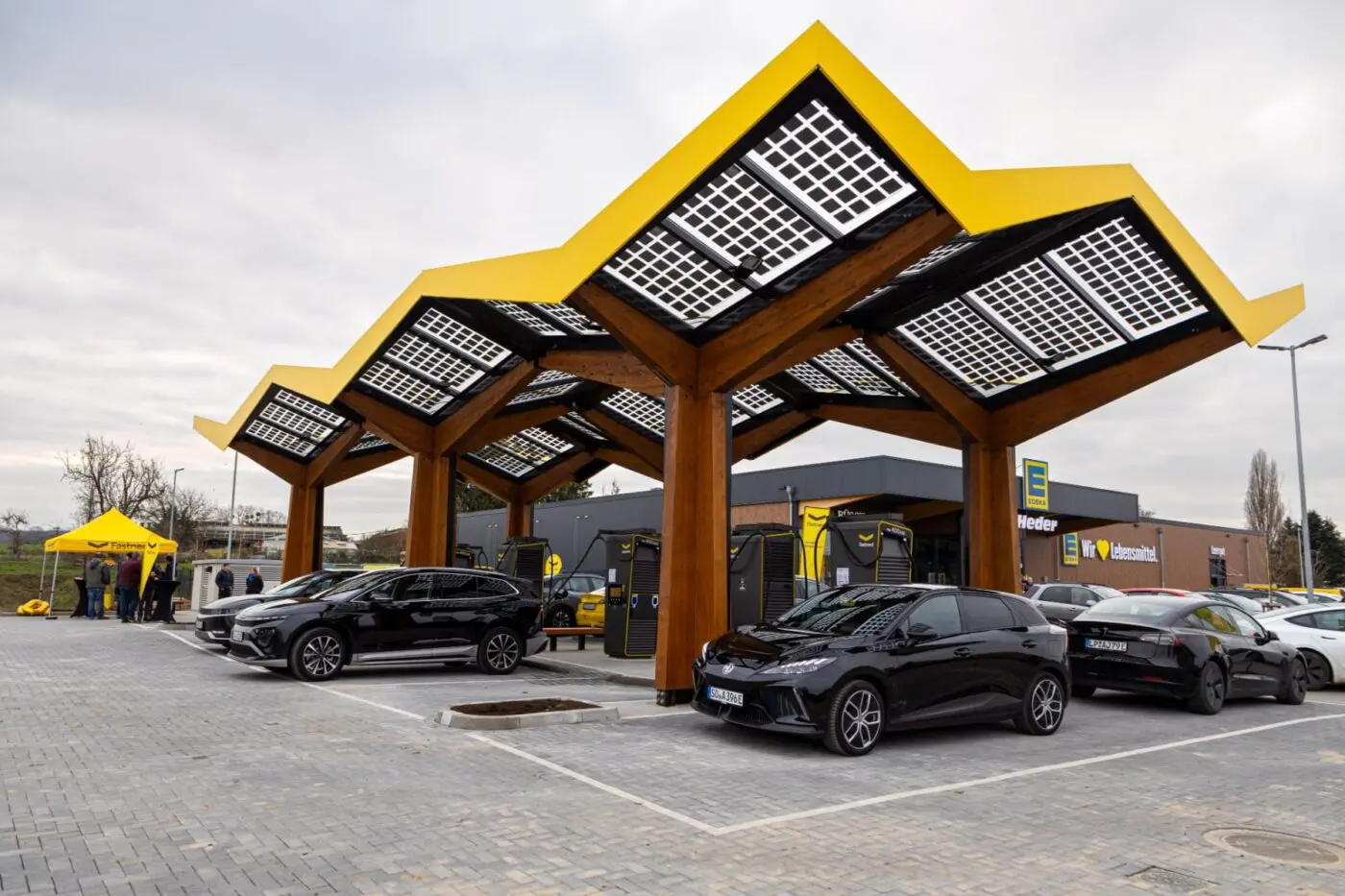
Battery-electric registrations approach 1.9 million
Sales of new battery-electric passenger cars in the European Union rose to nearly 1.9 million units in 2025, a 29.7% increase from 2024, according to e-cars.hu. Battery-electric models accounted for 17.3% of new passenger-car registrations during the year, marking the category’s strongest annual volume in the figures reported by the publication.
The increase extends a decade of rapid expansion. Eurostat data cited by e-cars.hu show that only 47,000 battery-electric cars were registered across the EU in 2015. Annual registrations exceeded 500,000 by 2020 and reached almost 1.9 million in 2025. Compared with the 2015 base, the latest total represents growth of roughly fortyfold.
Electric fleet expands across the EU
The number of battery-electric vehicles operating on EU roads reached 7.59 million in 2025, the publication reported, citing Eurostat. That was 31.5% above the 5.77 million recorded in 2024. The addition of more than 1.8 million vehicles in one year increases demand not only for cars and traction batteries, but also for charging, maintenance, power-management and battery-recycling capacity.
For automakers, the 17.3% share indicates that battery-electric vehicles are now a significant part of the EU passenger-car market, although they remain well short of a majority. Manufacturers must therefore support several powertrain technologies simultaneously. This raises the importance of flexible assembly lines, battery sourcing and careful management of investment in engine and transmission capacity.
Hybrid demand grows as combustion models retreat
Plug-in hybrid registrations increased even faster than battery-electric sales, rising 34.2% to 1.03 million units in 2025. Registrations of other hybrids without external charging capability grew 13.4% to 3.62 million. Together, these figures show that many buyers continued to choose electrified drivetrains without moving directly to fully battery-powered vehicles.
Conventional combustion categories moved in the opposite direction. EU diesel registrations dropped 22% to 1.07 million units, while petrol-car sales declined 18.4% to 2.98 million. The divergence changes the product mix facing vehicle manufacturers, component suppliers and dealers. Suppliers concentrated on combustion engines, fuel systems and conventional transmissions face a contracting market, while producers of cells, battery packs, power electronics and electric motors have a larger addressable base.
Energy prices add to purchasing incentives
According to e-cars.hu, higher oil and fuel prices associated with military operations by the United States and Israel against Iran contributed to stronger European interest in electric and hybrid vehicles after weakness at the start of the 2024–2025 period. The publication linked this shift to the lower operating costs sought by some buyers. The sales data do not isolate the effect of energy prices from other factors, but the reported pattern underlines how fuel costs can influence powertrain choices.
The 2025 results give automakers a clearer demand signal, but also increase execution pressure. Battery supply, model affordability and charging availability will affect whether the record sales level becomes a durable base for further growth. For the regional supply chain, the immediate consequence is a faster redistribution of volumes from traditional combustion components toward batteries and electric-drive systems, even as hybrid demand preserves a role for both technologies.