EU Bans BPA in Food Packaging and Reusable Plastic Items, With Coatings for Acidic Foods Exempt Until 2028
The European Union has adopted a phased full ban on bisphenol A in food packaging, covering single-use packaging as well as reusable water bottles, lunch boxes and plastic kitchenware. The rules also capture bisphenol S and F to block substitution, following a 2023 EFSA opinion that cut the tolerable daily intake 20,000-fold. Cans for acidic foods may keep BPA-based coatings until 2028.
The European Union has adopted a decision to fully ban bisphenol A (BPA) from food packaging, with the restriction to be introduced in stages, Croatian daily Večernji list reported, citing Deutsche Welle. Once the measure applies, packaging for food produced with BPA or related bisphenols may no longer be sold on the EU market. The chemical had already been banned in baby bottles and in thermal paper, including till receipts.
According to the report, the measure is the strictest rule of its kind anywhere in the world. It comes with exemptions and extended transition periods designed to give industry time to adapt.
Reusable articles fall under the ban
The prohibition is not limited to single-use packaging. It also covers reusable articles such as water bottles, lunch boxes and plastic kitchenware. The regulatory concern is migration: small quantities of the chemical can pass from the container into food and drink, and from there into the human body.
The new rules also capture other hazardous bisphenols, including bisphenol S (BPS) and bisphenol F (BPF). The aim is to prevent the substitution of one harmful substance with another, since those alternatives show similar health risks.
Where BPA sits in the materials chain
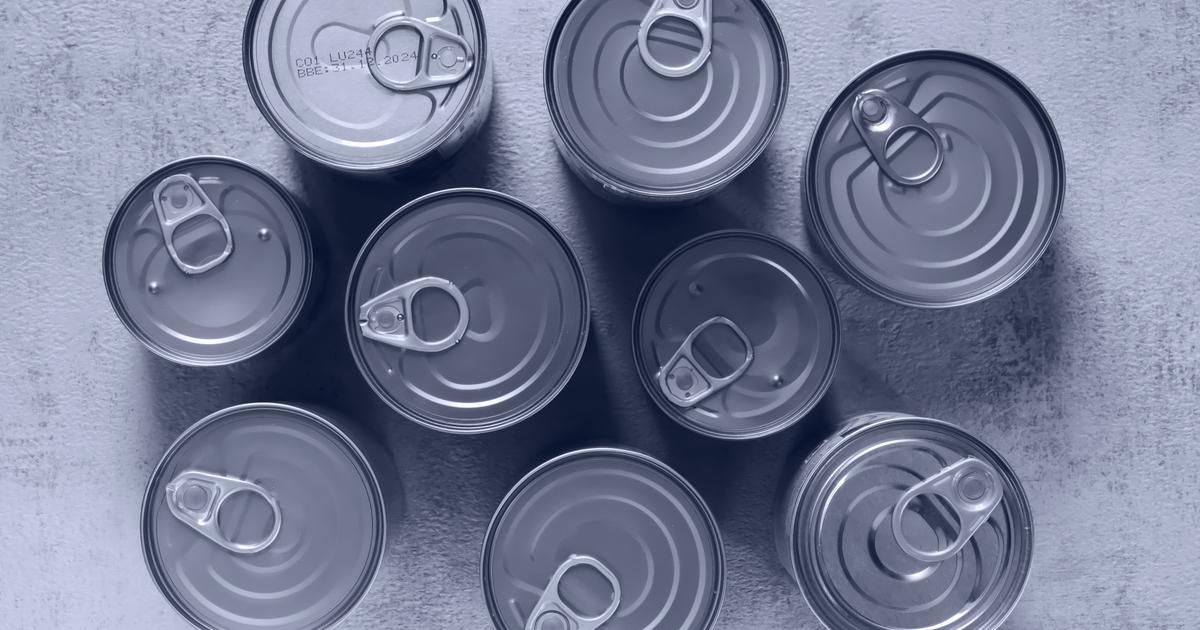
BPA is an industrial chemical that has been used for decades to produce the hard, transparent plastic known as polycarbonate, as well as epoxy resins. Those resins are applied to the inner lining of food cans and beverage cans, where they play a central role in preventing the tinplate from rusting and in stopping metals from dissolving into the contents. Other applications include:
- plastic films
- printing inks
- adhesives
- polycarbonate bottles and kitchenware
The volumes involved are substantial. According to figures from the environmental organisation BUND, around 410,000 tonnes of the substance are placed on the market in Germany alone each year.
EFSA opinion drove the decision
The ban followed a 2023 scientific opinion from the European Food Safety Authority (EFSA), which concluded that dietary exposure to BPA poses a health risk for consumers in all age groups. EFSA cut the tolerable daily intake (TDI) by a factor of 20,000 compared with the level it had set in 2015, and that reassessment was the key trigger for the new regulation.
BPA is classified as an endocrine disruptor, meaning it can interfere with hormone function, threaten fertility in men and women and potentially disrupt puberty; it is also linked to hormone-dependent cancers. Scientific studies connect it to asthma, autoimmune diseases, diabetes, infertility and certain types of cancer. Its activity resembling the female sex hormone estrogen has been known for almost a hundred years, since the 1930s, when it was tested as a synthetic estrogen.
Exposure is close to universal. In a study by the European Environment Agency (EEA) across eleven European countries, BPA was detected in the urine of 92 percent of participants, while a more recent EEA study found that 100 percent of those tested were exposed to BPA above safety limits. In the United States, a national health study in 2004 found BPA in the urine of 93 percent of participants. Diet is considered the main source of exposure, although bisphenols are also present in air, dust and water.
Transition periods and the 2028 line for acidic foods
Food already packed in BPA-containing packaging may be sold until stocks are exhausted, a provision intended in part to avoid unnecessary food waste. Longer transition periods have been approved where suitable and safe alternatives to BPA are not yet available. That is the case for cans holding acidic foods such as fish, fruit and vegetables, which may keep BPA-based coatings until 2028, because acid in the food can attack the tinplate and the coating is needed to stop metal migrating into the contents.
There is no obligation in the EU to declare a BPA coating on the product itself. The consumer guidance cited in the report points to glass containers, utensils made of wood, glass or stainless steel, avoiding the reheating of food in plastic containers in a microwave, and looking for “bisphenol-free” rather than “BPA-free” labelling, since the latter does not rule out other, equally harmful bisphenols.