EU approves flexibility and emergency aid for farmers hit by fertilizer prices
The European Union has approved support measures for farmers facing high fertilizer prices, according to indicator.gr. The package combines regulatory flexibility with emergency aid to ease one of the heaviest input costs in crop production.
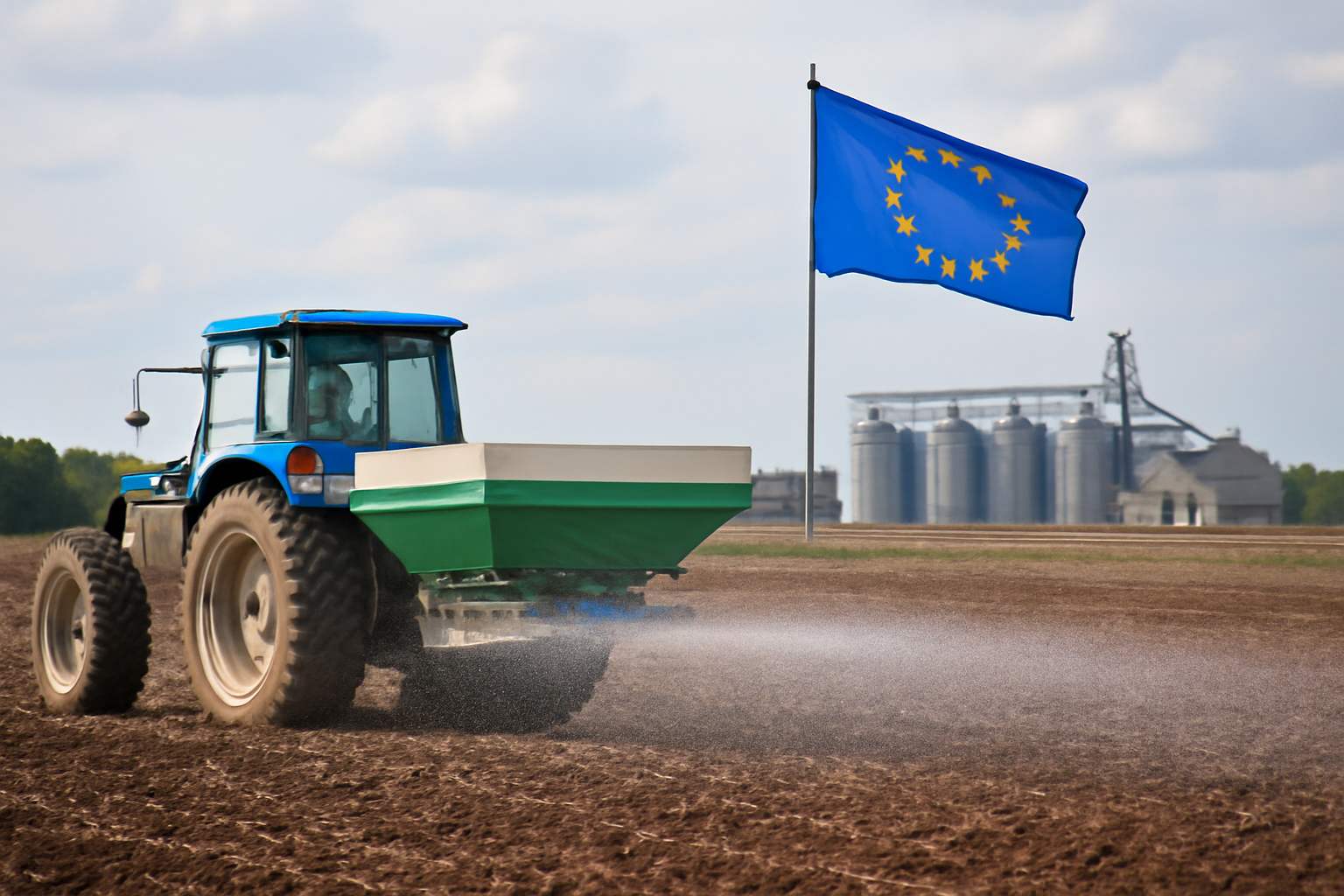
EU approves flexibility and emergency aid for farmers over fertilizer prices
The European Union has approved a set of support measures for farmers struggling with high fertilizer prices, according to the Greek outlet indicator.gr. The package combines regulatory flexibility with emergency assistance and is presented as relief for one of the heaviest input costs in crop production.
indicator.gr describes the intervention as a "breathing space" for producers and frames it as a response to the ongoing fertilizer crisis across the bloc. According to the report, the measures rest on two pillars: greater flexibility in how existing rules and funds are used, and dedicated emergency aid for the farmers most affected by the price surge.
Why fertilizer costs matter
Fertilizers, and nitrogen-based products in particular, rank among the largest variable costs for arable farming. When their prices rise, the effect carries through to planting decisions, application rates and, ultimately, the yields and cost of grain, oilseeds and other staple crops. For a bloc that is both a major agricultural producer and a significant buyer of fertilizer inputs, sustained cost pressure raises questions about competitiveness and the stability of food supply.
The support approved at EU level is intended to keep farmers from cutting fertilizer use to a point where harvests decline. By offering flexibility and emergency funds, Brussels is signalling that relief on input costs has become a policy priority, according to indicator.gr.
What flexibility and emergency aid mean in practice
As reported, flexibility refers to easing the conditions under which farmers can draw on existing support and adjust to market pressures. Emergency aid points to direct assistance for those most exposed to higher fertilizer bills. Together, the two mechanisms are meant to preserve working capital during a period of squeezed margins, when many producers face a choice between paying for inputs and protecting cash flow.
Implications for trade and input markets
For fertilizer importers and exporters, the direction of policy matters. Measures that encourage farmers to maintain purchases support demand for nitrogen, phosphate and potash products moving into the bloc. For grain and oilseed exporters, keeping application rates stable reduces the risk of weaker harvests and tighter exportable surpluses in the seasons ahead.
Fertilizer prices in Europe have been closely tied to energy costs, since natural gas is a key feedstock for nitrogen production. That linkage means public support of this kind addresses the immediate burden on farmers rather than the underlying driver of the crisis. For market analysts, the open question is whether flexibility and emergency aid will be enough to stabilise buying behaviour through the next application season.
indicator.gr does not detail the size of the package, the qualifying criteria or a timeline, leaving the practical scale of the relief to be clarified. What is clear from the report is the intent: to shield agricultural producers from a cost shock centred on fertilizer and to keep the bloc's crop output on a stable footing.