EU imposes five-year antidumping duties on Chinese pea protein
The European Union has imposed definitive antidumping duties of 40.5% to 67.1% on pea protein imported from China. The measures will apply for five years after an investigation found that dumped imports were harming European producers.
Definitive duties set for five years
The European Commission has imposed definitive antidumping duties on imports of pea protein from China, adding a substantial trade barrier to supplies from one of the world’s largest producers of the ingredient. According to Tunisienumerique, the duty rates range from 40.5% to 67.1% and will remain in force for five years.
The definitive measures replace provisional duties that had applied since 29 April 2026. The range of rates means the additional cost faced by an importer will depend on the Chinese producer or exporter supplying the product. For European buyers, the decision makes duty exposure a central factor in supplier selection and contract pricing.
The Commission said its investigation concluded that Chinese pea protein entered the EU market at dumped prices and caused injury to the European industry. Antidumping duties are intended to offset that pricing gap rather than prohibit imports, so Chinese material can continue entering the bloc if importers pay the applicable charge.
A €175 million European market
The Commission values the European pea protein market at approximately €175 million. The duties therefore affect a specialist ingredient market that serves several food and feed segments rather than a single finished-product category.
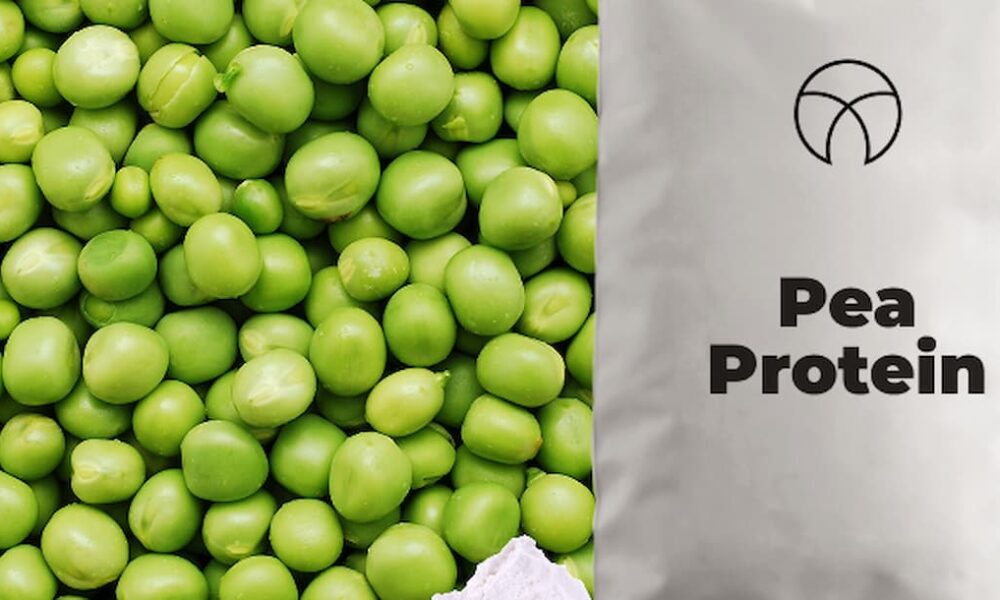
Pea protein is used as an alternative to animal protein for both human consumption and animal nutrition. It can be sold for direct consumption or incorporated into food and beverage products. Its industrial uses also include pet food, specialised animal feed and aquaculture feed.
This broad customer base spreads the impact beyond companies selling plant-based foods. Ingredient distributors, food processors, beverage manufacturers and feed formulators that rely on Chinese supply will have to assess whether they can absorb the duty, pass higher costs through to customers or obtain material from alternative producers.
Sourcing and competition will shift
A duty of at least 40.5% materially changes the landed-cost calculation for Chinese pea protein in the EU. At the upper rate of 67.1%, the measure creates an even larger price hurdle. The actual effect on finished-product prices will depend on the duty assigned to each supplier, the share of pea protein in production costs and the availability of substitutes.
European producers gain protection from the dumped prices identified by the investigation. That may improve their ability to compete for contracts within the bloc, particularly where buyers can switch specifications or suppliers. Producers outside China may also find new opportunities if their offers become more competitive after duties are included in the price of Chinese material.
For Chinese exporters, the five-year duration raises the importance of market diversification and customer negotiations. For EU importers, the immediate task is to verify supplier-specific rates and reassess purchasing plans. The decision does not remove Chinese pea protein from Europe, but it changes the commercial threshold at which those shipments can compete.