EU launches anti-dumping investigation into Chinese duck meat imports
The European Commission opened a formal anti-dumping investigation into duck meat imports from China on 9 July, according to the Financial Times and the South China Morning Post. The move extends the EU–China trade dispute beyond electric vehicles into agriculture and raises the risk of reciprocal measures in food trade.
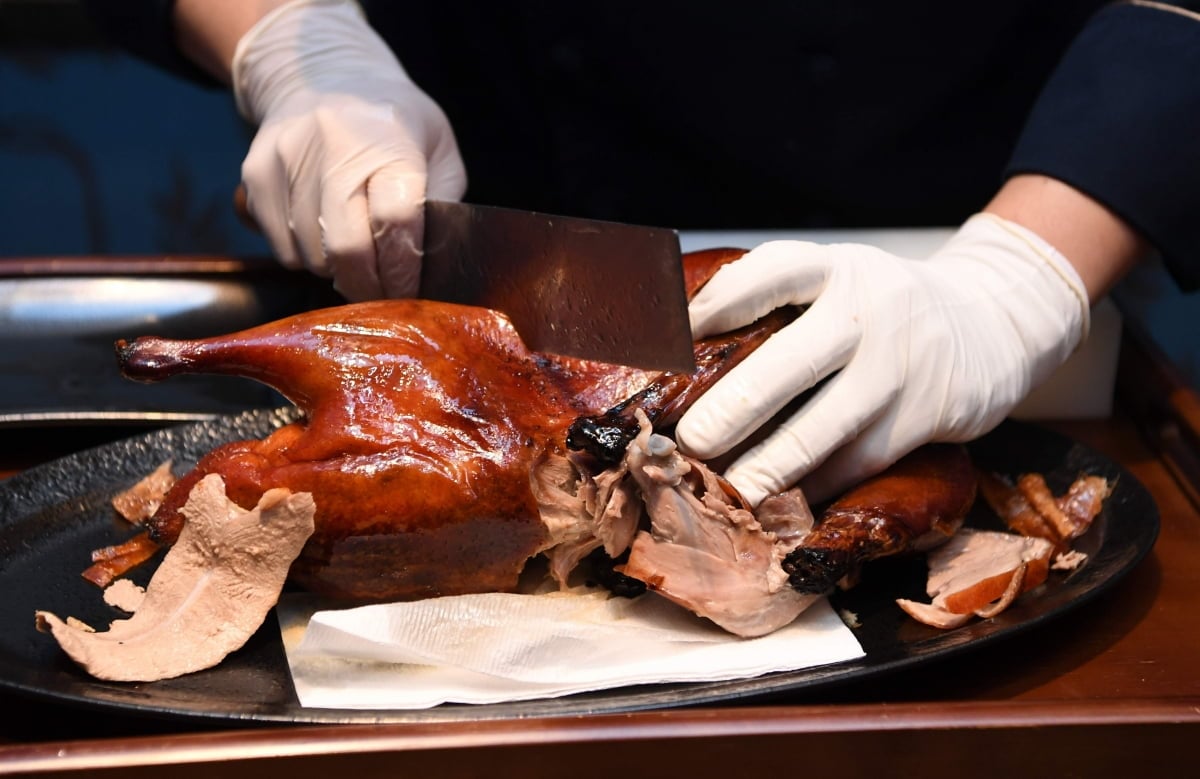
Brussels opens anti-dumping probe into Chinese duck meat
The European Commission has opened a formal anti-dumping investigation into imports of duck meat from China, the Financial Times and the South China Morning Post reported. The case was launched on 9 July on the grounds that Chinese duck meat is being sold in the European market at unfairly low prices and injuring producers inside the bloc, according to the reports carried by South Korea's Hankyung and Newsis.
An anti-dumping inquiry is the first procedural step toward possible duties. If the Commission concludes that dumping has occurred and caused material injury to EU industry, it can impose tariffs on the affected Chinese imports. The investigation itself does not change tariffs immediately, but it puts Chinese exporters and their EU buyers on notice that duties could follow.
Neither the Financial Times nor the South China Morning Post reported the volume of trade covered or a proposed duty level, and the Commission has not specified figures. What is clear is the direction: a sector previously outside the dispute has now been drawn in.
Trade friction moves from cars to agriculture
The duck meat case marks a widening of the EU–China trade dispute, which until now has centred on industrial goods, above all electric vehicles. By opening a probe in the agricultural and livestock sector, Brussels is extending the confrontation into food trade, the Financial Times and Newsis noted. For analysts, the shift matters because agricultural measures tend to hit a broader set of producers and are politically sensitive on both sides.
Risk of tit-for-tat measures
Should the investigation lead to tariffs, the dispute could escalate into reciprocal action, the Korean outlets reported, citing the FT and SCMP. China has responded to earlier EU trade actions with its own investigations, and a duty on duck meat raises the risk of retaliation against European food and farm exports to the Chinese market.
For importers and exporters, the immediate effect is uncertainty. Chinese duck meat suppliers face the prospect of duties that would erode their price advantage in Europe, while EU processors and distributors that rely on imported duck may need to line up alternative sourcing. European agricultural exporters to China, in turn, are exposed to any countermeasures Beijing may choose to take.
The Commission has not published a timetable for its findings. Such investigations in the EU can run for months before any provisional measures are announced, leaving traders to weigh contracts and volumes against an uncertain outcome.