Eswatini cane growers rank among COMESA’s better paid, but by-product dispute remains
Eswatini allocates 68.1% of distributable sugar revenue to cane growers, more than Kenya, Malawi and Zambia but less than Mauritius and Zimbabwe. Growers are seeking recognition of their contribution to revenue from molasses, bagasse and other by-products.
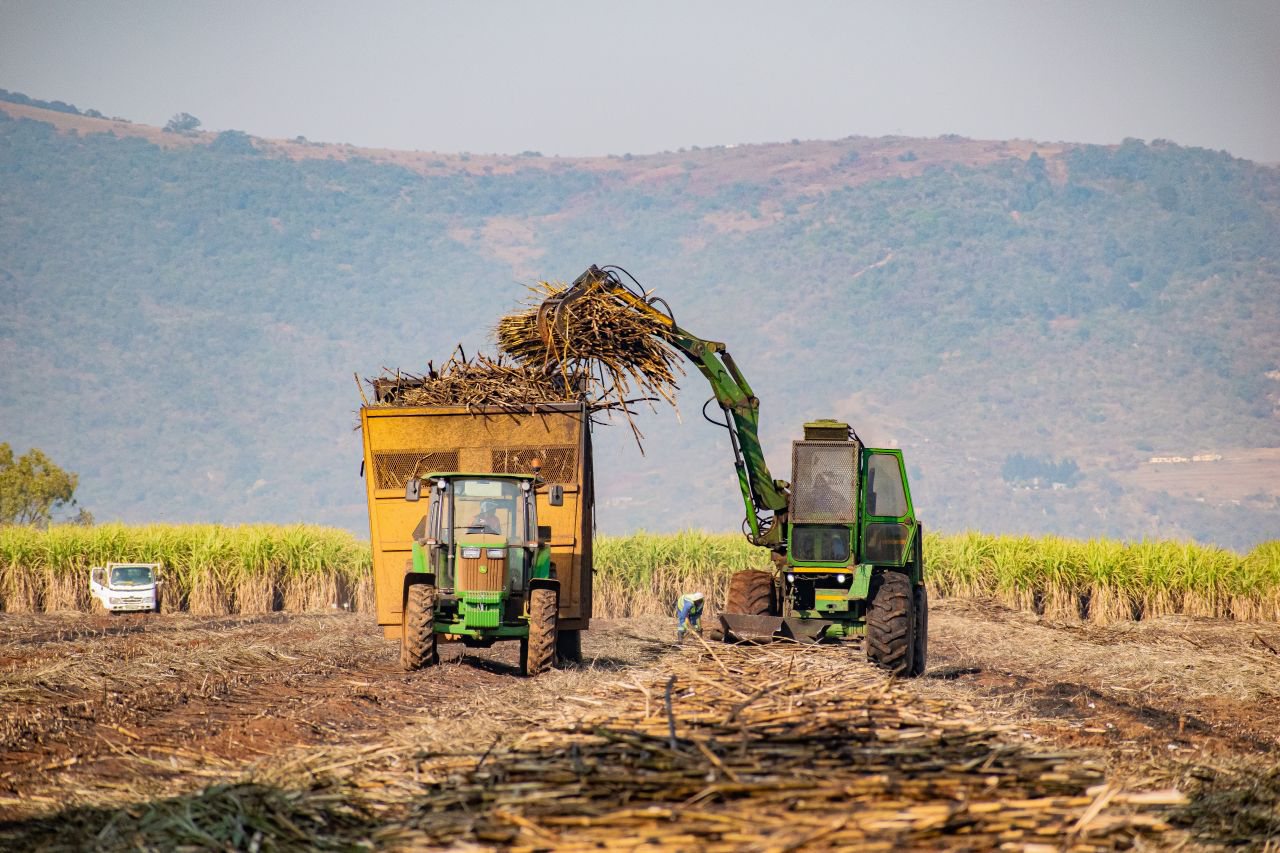
Grower returns exceed three regional peers
Sugar cane farmers in Eswatini receive a larger share of industry proceeds than growers in most of the COMESA markets covered by a regional study, placing the country among the stronger-paying producers alongside Mauritius and Zimbabwe. The Times of Eswatini reported the findings from the COMESA Competition and Consumer Commission’s 2025 annual report, prepared through a study with the Centre for Competition, Regulation and Economic Development.
The assessment covered Eswatini, Kenya, Malawi, Mauritius, Zambia and Zimbabwe. It examined industry structures, pricing, regulation, competition and the allocation of proceeds between growers and millers. Mauritius recorded the highest grower share at 78%, followed by Zimbabwe at 77%. Eswatini allocated about 68%, compared with 63% in Kenya and 60% in both Malawi and Zambia.
Revenue-sharing system supports regular cash flow
Eswatini’s mechanism divides returns after milling and related costs have been considered. Growers receive 68.1% of the proceeds and millers receive 31.9%. In 2025/26, the national sugar industry generated E8 billion in revenue, of which E6.7 billion was distributable between the two groups. Applying the reported shares to the distributable pool indicates the relative scale of grower and miller participation, although the source does not state their final cash payments.
The sector is heavily dependent on small producers. Small-scale farmers represent 93% of active growers but supply approximately 29% of the cane harvested. Farmers receive 70% of their payment when cane is delivered, with the remaining 30% paid after the sugar is sold and operating costs are deducted. Payments are made weekly, while sugar-price forecasts are revised several times during the season to reflect market changes. Independent sucrose testing links each grower’s return to cane quality and recoverable sugar content.
By-products remain central to the allocation debate
Despite Eswatini’s relatively favourable position, growers have called for a review of the existing split. They argue that their contribution has increased and in some cases exceeds cane supplied from miller-owned plantations. They also say compensation remains focused mainly on sugar, even though processing produces molasses and bagasse that can generate additional revenue through products such as ethanol and electricity.
The regional comparison gives that argument commercial weight. Mauritius not only assigns growers 78% of sugar output but also allows them to receive income from molasses and bagasse. In Zimbabwe, the Division of Proceeds model allocates 77% to growers and 23% to millers, with farmers operating through either fixed-price Cane Purchase Agreements or Cane Milling Agreements linked to forecast mill-door prices. By contrast, the arrangements reviewed in Malawi and Zambia give growers 60% of sugar revenue and no proceeds from by-products.
Eswatini’s industry is developing a model that could retain part of earnings for quarterly distributions, aiming to stabilise farmer income and reduce dependence on outside finance. The Eswatini Sugar Association is also exploring a revolving fund to provide production inputs to about 2,900 smallholder growers. For producers, the next competitiveness issue is therefore not only the headline percentage paid for sugar. It is whether financing support, payment timing and access to by-product revenue can raise returns across a grower base dominated by small farms without weakening the mills that process and market their cane.