Electric Vehicles Drive Vietnam to Fastest Auto-Market Growth in ASEAN-6
Vietnamese car sales rose 31.1% year on year to about 291,000 units in the first half of 2026, the fastest pace in the ASEAN-6, according to a PwC report cited by Thanh Nien. Vietnam supplied 69,000 of the roughly 175,000 additional vehicles sold across the bloc. Domestic brand VinFast delivered around 116,000 electric cars in the period, up 72%.
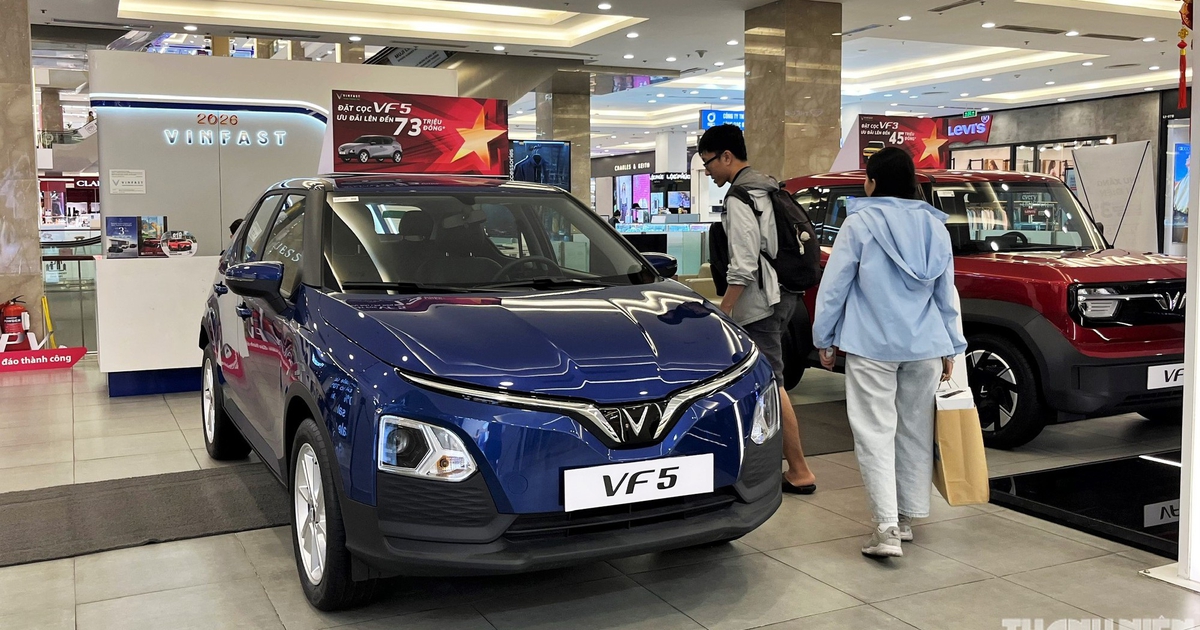
Vietnam posted the fastest car sales growth in the ASEAN-6 during the first half of 2026, with volumes rising 31.1% year on year to about 291,000 units, according to a PwC report on the Southeast Asian automotive market cited by Thanh Nien. The increase came primarily from electric vehicles rather than internal combustion models.
Across the ASEAN-6, combined car sales grew by roughly 175,000 units in the period, and Vietnam alone accounted for 69,000 of that figure, close to 40% of the bloc's entire incremental volume. Longer-established vehicle markets in the region, including Indonesia and Thailand, were in a corrective phase, weighed down by softer domestic consumption and slowing sales of traditional petrol-engine brands, according to the same PwC data. The result is a cyclical reversal within the region's sales mix.
Electric deliveries behind most of the increase
VinFast, the domestic electric vehicle brand, delivered approximately 116,000 electric cars in the first six months of 2026, a 72% increase on the same period a year earlier, Thanh Nien reported. The company has broadened its range to cover segments A through E, which the report links to demand that pushed the domestic market beyond the early saturation seen in internal combustion segments. Set against total Vietnamese sales of about 291,000 units, those deliveries correspond to a large share of the half-year market.
- Vietnam: about 291,000 vehicles sold in the first half of 2026, up 31.1% year on year
- ASEAN-6 incremental volume: roughly 175,000 units, of which Vietnam contributed 69,000
- VinFast electric vehicle deliveries: about 116,000 units, up 72% year on year
- Vietnam's share of regional sales growth: close to 40%
Fleet conversion and first-time buyers
Taxi operators and ride-hailing fleets have been among the most committed converts. Lower energy costs and cheaper scheduled maintenance compared with combustion vehicles are the decisive argument, according to Thanh Nien, and purpose-built electric models for passenger transport now run on major urban routes as well as interprovincial corridors.
Among private buyers, small electric cars at accessible price points have lowered the traditional financial barrier to first-time ownership, particularly for younger buyers and urban families. VinFast's higher-riding multipurpose models have drawn family buyers on the strength of safety equipment, driver assistance systems and interior space.
Automotive specialists cited in the report argue that the shift has not simply redistributed share between manufacturers. They describe an entirely new layer of demand that has enlarged the total size of Vietnam's car market.
Policy, charging and the regional outlook
The demand side was supported by a steadier macroeconomic recovery and returning consumer confidence, combined with government registration fee support and incentives for green vehicles. Expanding charging coverage and flexible after-sales terms from the domestic manufacturer have reduced range concerns, moving electric cars from urban use into long-distance travel.
The report frames the shift as strategically significant for supporting industries, energy infrastructure and urban development planning. With a domestic company acting as both production pillar and ecosystem builder, Vietnam has scope to compress its transport energy transition faster than neighbouring countries, while control over battery supply chains and technology builds a longer-term national competitive position.
Growth momentum is expected to hold through the second half of 2026, making Vietnam a reference case for the pace of transport electrification in Southeast Asia and setting a new marker for the government's Net Zero commitments.