Electric trucks remain below 0.5% of Germany’s heavy-duty fleet
Electric trucks account for about 0.5% of German heavy-duty vehicles and only 0.27%-0.3% when foreign operators serving the country are included. High purchase prices, axle-weight rules and limited public charging are slowing adoption despite growing pressure to cut freight emissions.
Electrification remains marginal
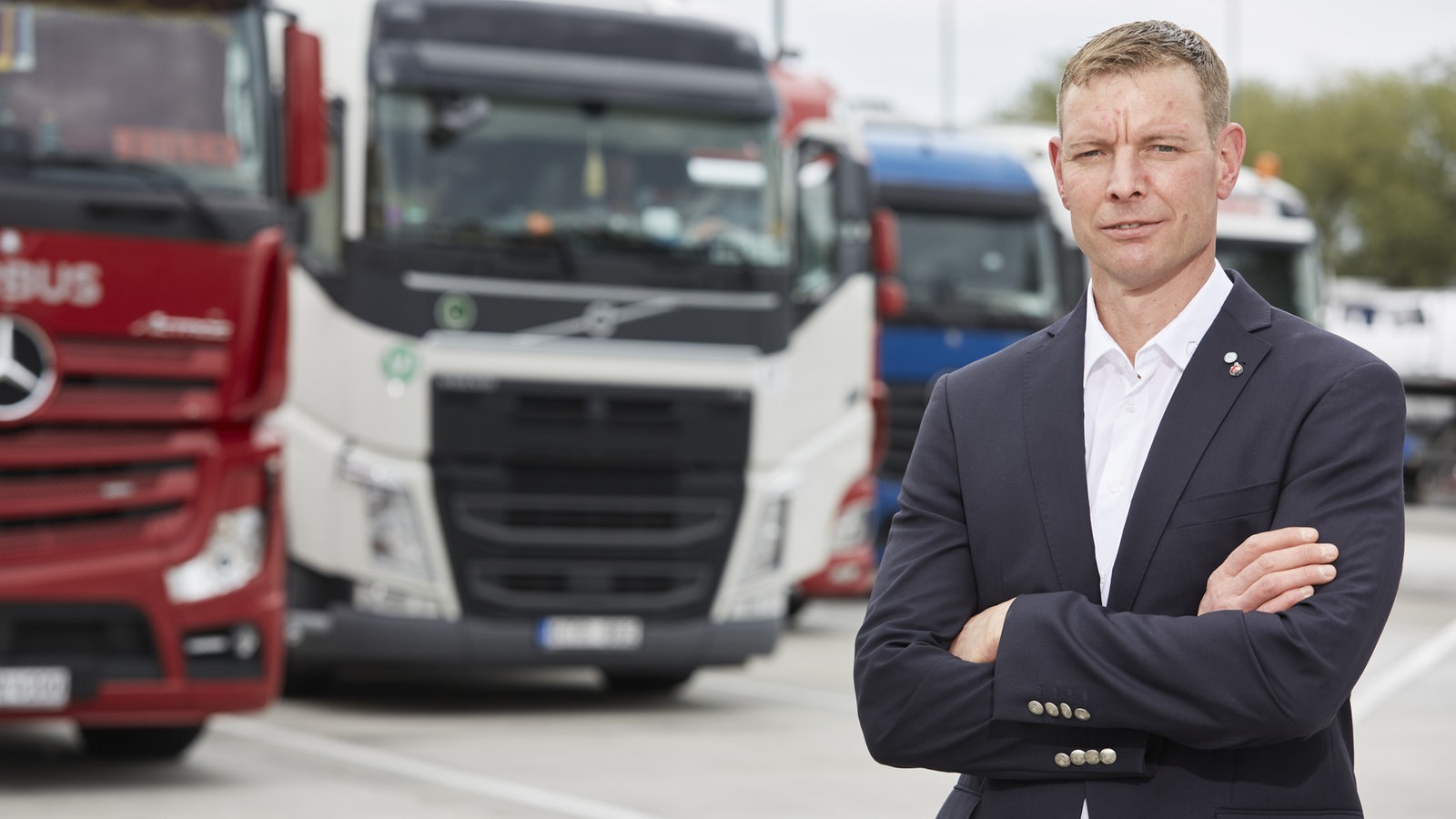
Battery-electric trucks still represent only a fraction of Germany’s heavy-duty fleet despite rising pressure on road freight operators to reduce CO₂ emissions. Prof. Dr. Dirk Engelhardt, spokesman of the Federal Association of Road Haulage, Logistics and Disposal (BGL), told WDR that electric vehicles account for roughly 0.5% of German heavy trucks.
The share falls to between 0.27% and 0.3% when foreign operators serving the German market are included. Engelhardt put the relevant fleet at approximately 800,000 heavy trucks. He also said trucks carry 85% of all goods in Germany, with 40-tonne vehicles forming the largest part of that traffic. Electric models are already better suited to smaller courier, express and parcel-delivery vehicles, but their presence in long-haul and heavy-duty operations remains limited.
Battery weight collides with EU axle limits
According to Engelhardt, the electric drivetrains themselves work reliably. The more immediate obstacles are vehicle cost, range, charging availability and weight. Battery packs can weigh as much as four tonnes, making it easy for a normally loaded truck to exceed Europe’s permitted 11.5-tonne drive-axle load. He described this axle constraint as a larger problem than driving range.
One technical option would be to fit two additional wheels connected by another axle, spreading the battery weight over more contact points and reducing pressure on infrastructure. However, this would increase vehicles’ total weight and length. The BGL wants Germany to promote uniform European rules so transport companies can invest with greater certainty. Engelhardt argued that Germany is currently holding back progress on the issue in Brussels.
Economics depend heavily on where trucks charge
Electric heavy trucks currently cost between two and 2.5 times as much as conventional diesel models, WDR reported from the interview. Manufacturers could reduce prices through scale as production and sales increase, but the initial investment remains difficult for medium-sized transport businesses. Operators also face resistance from customers that do not want to pay higher freight rates.
Operating economics vary sharply by charging location. Depot charging with inexpensive electricity can make an electric truck cheaper to operate than a diesel vehicle. The calculation becomes difficult when trucks depend on public charging priced at 50, 60 or as much as 80 euro cents per kilowatt-hour. Regional and distribution routes offer the clearest near-term case because trucks can return to their depots each evening. Vehicles spending an entire week on the road face a shortage of suitable charging points.
Heavy applications may require several technologies
Engelhardt said electric power cannot cover every heavy-duty application. Oversized and heavy transport, including vehicles carrying wind-turbine components, involves different weights and energy requirements. The BGL therefore supports using alternative fuels, e-fuels and hydrogen alongside batteries in agriculture, construction and the heaviest freight segments.
For fleet operators and manufacturers, the German market is consequently divided by duty cycle. Depot-based delivery trucks can already benefit from electric operation where power is affordable. Long-haul carriers must still weigh higher acquisition costs against uncertain charging expenses, payload constraints and the risk that European vehicle-dimension rules will change. Until those issues are resolved, electrification of Germany’s core 40-tonne fleet is likely to remain far behind the passenger-car market.