El Salvador turns to Ethiopia and Argentina for red beans as domestic supply tightens
El Salvador expanded red bean purchases from Ethiopia and Argentina after climate pressures and high input costs reduced domestic output. Ethiopian shipments reached 2.4 million kilograms worth $2.2 million in January-June 2026, helping push bean prices below their historical average.
Non-traditional suppliers fill the bean deficit
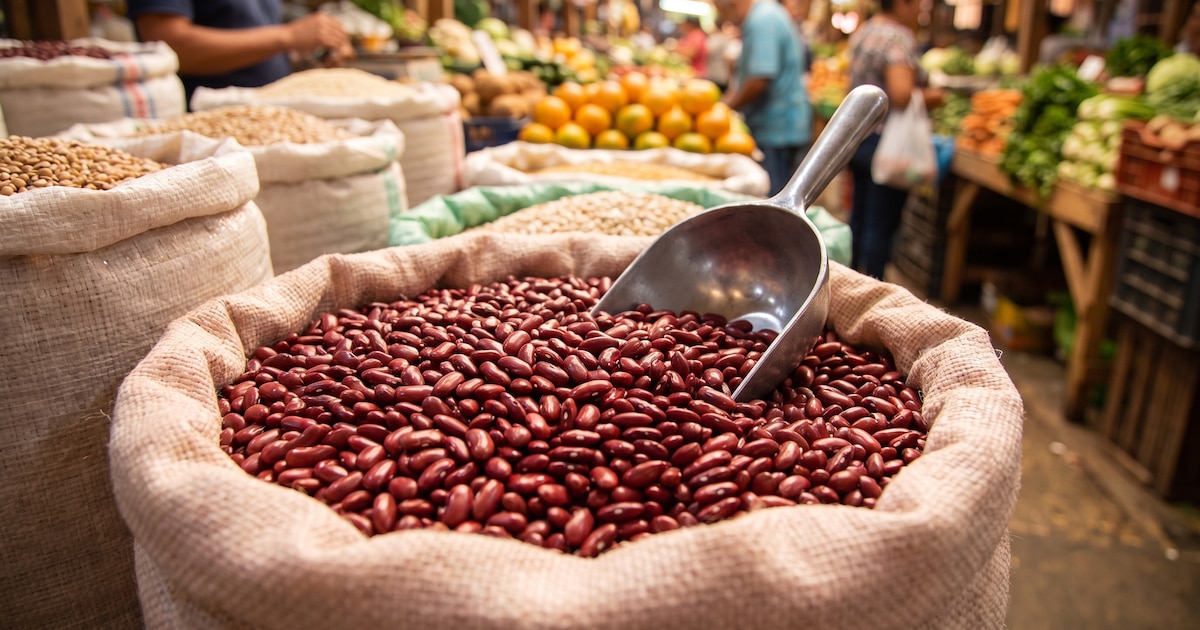
El Salvador has turned to Ethiopia and Argentina for red beans after adverse weather and elevated agricultural input costs reduced domestic production. The additional supply helped keep both red and black bean prices below their historical average in El Salvador and Guatemala, contrasting with continued pressure in the regional maize market.
According to Infobae, imports from these non-traditional suppliers compensated for lower domestic availability and stabilized the Salvadoran bean market. The effect extended to urban and rural consumers, for whom beans are a basic food and an important component of household spending.
Central Reserve Bank of El Salvador data cited by Infobae show that the country imported 2.4 million kilograms of red beans from Ethiopia between January and June 2026, with a value of $2.2 million. Ethiopia became El Salvador’s third-largest supplier in the broader category of dried, shelled leguminous vegetables during the period.
Maize remains expensive despite above-average imports
The easing in bean prices has not been replicated in white maize. At the end of July 2026, Salvadoran white maize prices stood between 12% and 35% above the five-year average, according to a FEWS NET report covered by Infobae. A delay to planting in the first agricultural season, known locally as the “primera,” restricted domestic availability in major wholesale markets.
Maize imports were above average and prevented sharper price increases, but they did not fully reverse the rise. Global grain-price volatility and weather effects associated with El Niño also influenced the domestic market. Fertilizer prices remained between 30% and 70% above their June 2025 level, raising production costs and limiting farmers’ ability to restore supply.
Fuel costs added another source of pressure. Although fuel prices eased slightly from the previous month, they remained above 2025 levels and increased the cost of moving food from domestic production areas and import entry points. The delayed and staggered “primera” harvest may arrive between August and September, extending the seasonal shortage period for rural and low-income households.
Different outcomes across Central America
Regional price trends underline the role of import volume and sourcing. Bean prices in Honduras increased and remained high because domestic supply was limited while imports reached only average levels. Honduran maize prices also exceeded their average, with expensive inputs and fuel adding to constraints on household access to staple foods.
Guatemala’s maize price remained close to its annual average, supported by better domestic availability and import policies that covered demand. Rice prices were stable in El Salvador because supply depends mainly on imports from the United States and followed international market trends.
For El Salvador, diversification has reduced the immediate risk of a bean shortage, but it has shifted part of the market’s exposure toward international prices, exchange-rate movements and long-distance supply chains. Importers have demonstrated that origins outside the traditional regional network can respond when local harvests fall. Producers, meanwhile, still face fertilizer and fuel costs well above earlier levels, while consumers remain exposed to expensive maize until the new harvest improves domestic availability.