El Niño Clouds Outlook for India's Sugarcane Crushing Season Starting in October
India's sugarcane crushing season is due to open in October under the shadow of El Niño. A Bloomberg report has warned that sugar output could fall in the coming season as El Niño conditions weigh on the crop. The outlook matters for importers, refiners and freight markets well beyond India.
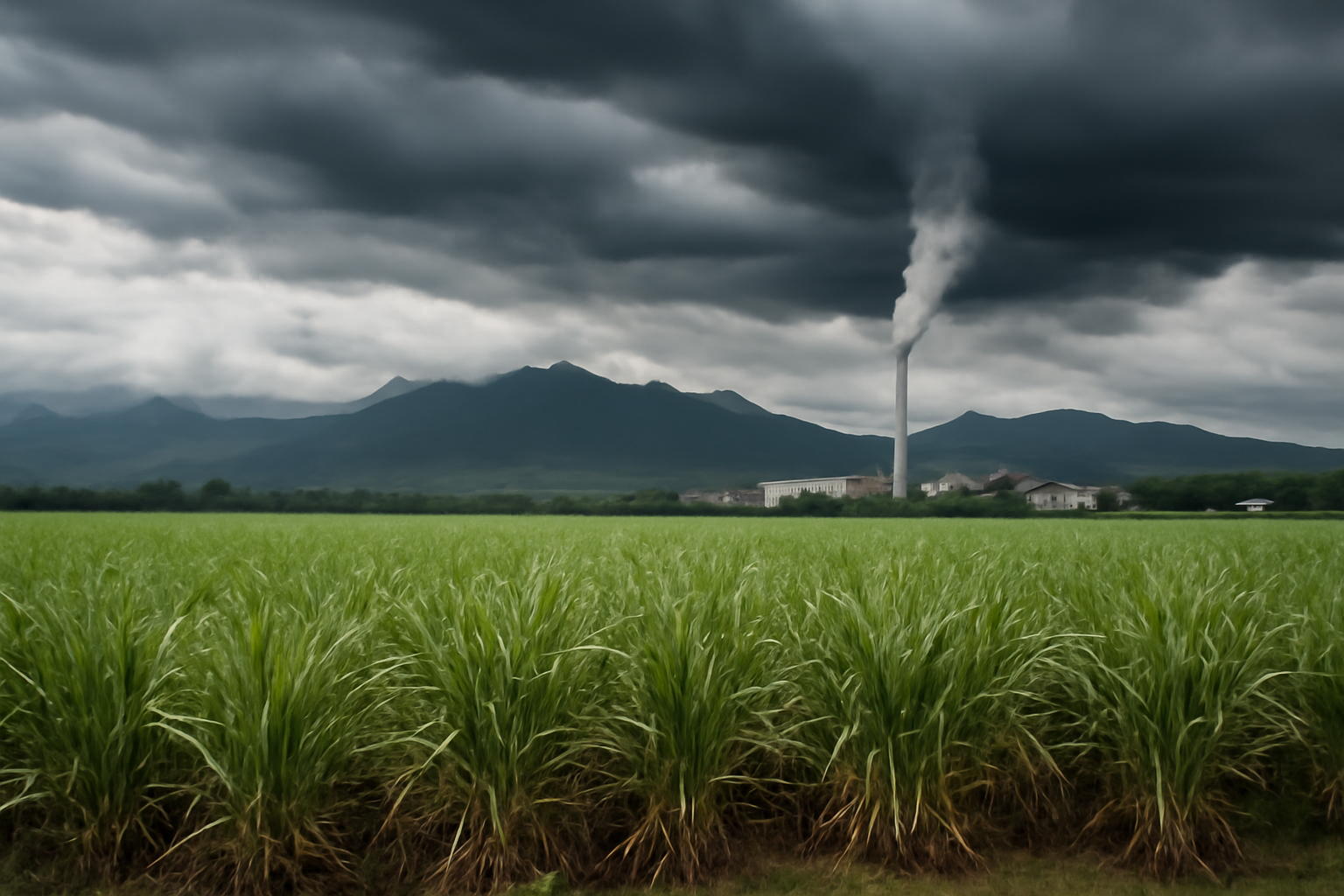
India's sugarcane crushing season is scheduled to begin in October, and forecasters are pointing to El Nino as the central risk to how much sugar the country's mills will produce. A Bloomberg report has warned that output could decline in the coming season as El Nino conditions weigh on the crop, an outlook that carries well beyond India given the country's weight in global sugar supply.
El Nino and the cane cycle
El Nino describes a periodic warming of surface waters in the equatorial Pacific. In India it has historically been associated with a weaker and more erratic southwest monsoon, the rainfall that governs soil moisture through the cane growing cycle.
Sugarcane is a long-duration, water-hungry crop. Moisture stress during the tillering and grand growth phases reduces cane tonnage per hectare and can also depress sucrose content. A mill then loses twice over: it crushes less cane, and it extracts less sugar from each tonne it does crush. Because the damage is done months before the rollers start turning, the effect becomes visible in mill-gate data only once crushing is under way.
Why the October start matters
The crushing season conventionally opens in October and runs into the spring months. The opening weeks set the tone for the whole campaign, because they provide the first hard readings on cane availability and on recovery rates, the share of sugar extracted from each tonne of cane.
Mills must commit to cane procurement arrangements, working capital and transport before the size of the crop is confirmed. A weak monsoon signal raises the probability that early-season recovery disappoints, which in turn affects cash flow, cane payment schedules and the length of the campaign itself.
Ethanol and export policy in a tighter year
India channels a share of its cane juice and molasses into fuel ethanol under its blending programme, so the country's sugar balance is no longer determined by the crop alone. When cane is short, the allocation between sugar for the domestic market, feedstock for ethanol distilleries and volumes available for export becomes a policy decision rather than a purely commercial one. Indian sugar exports are administered, which means trade flows can be adjusted quickly once the crop is better understood, and importers in Asia, the Middle East and East Africa plan their coverage on that basis.
What the market is watching
- Monsoon rainfall and its distribution across the main cane belts through the remainder of the growing period.
- Sucrose recovery rates reported in the opening weeks of crushing, the earliest reliable read on crop quality.
- The split of cane between sugar production and ethanol distilleries.
- Any change in India's export stance, which would transmit directly into world market prices and shipping demand.
Bloomberg's assessment speaks to the direction of output rather than the final scale of any shortfall; no definitive production figure can be established until mills begin reporting crush and recovery data. For traders, refiners and importers, the practical question through the final months of the year is how much of their requirement is covered before the crop size is known, and how quickly alternative origins can be booked if Indian availability tightens.