El Niño threatens 5% decline in Guatemala’s 2026-27 sugar output
Guatemala expects sugar production to fall 5% in the 2026-27 harvest as El Niño brings lower rainfall and higher temperatures. Domestic supply is fully covered, leaving exports and bagasse-based electricity generation to absorb most of the decline.
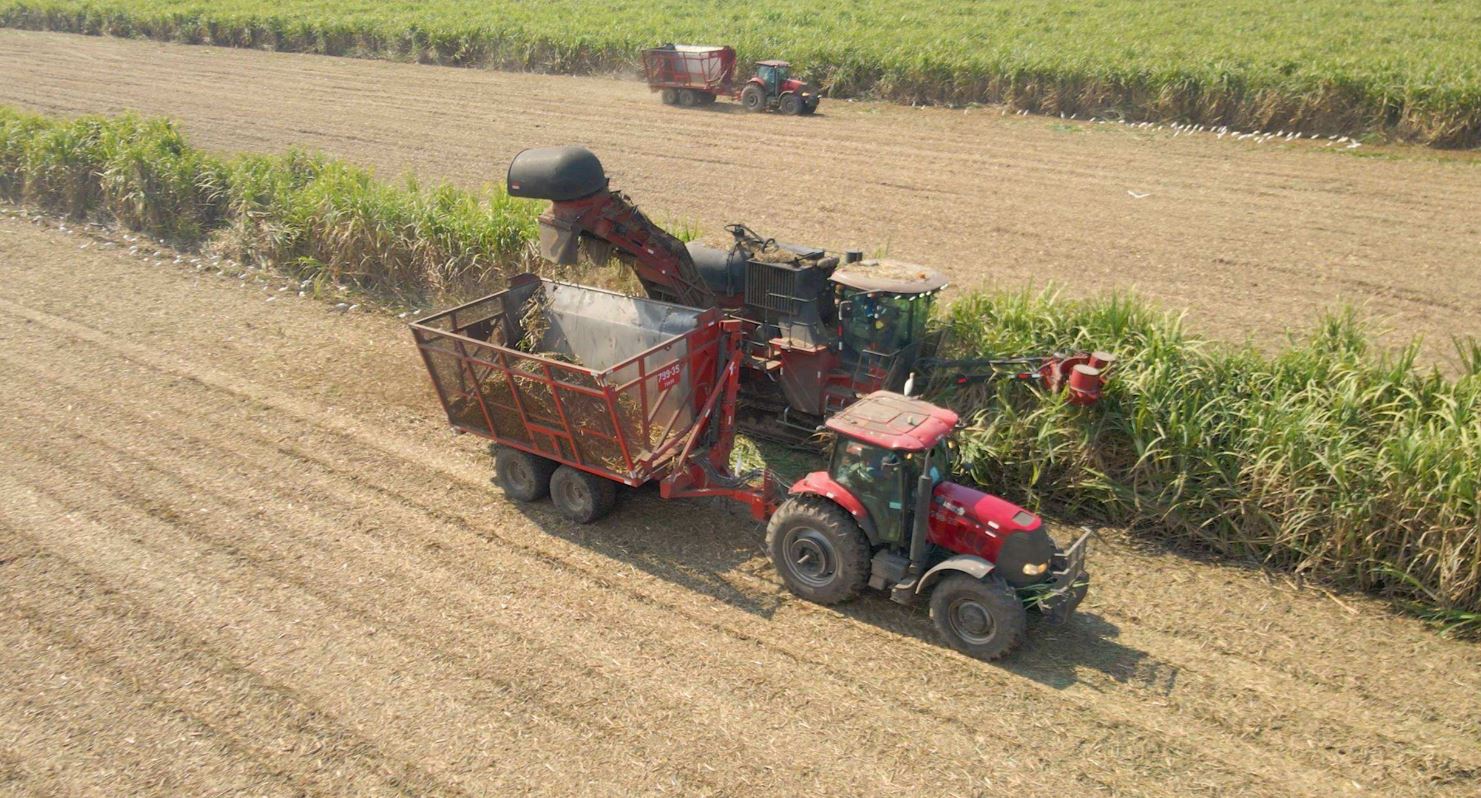
Cane and sugar production set to decline
Guatemala’s sugar industry expects El Niño, reduced rainfall and high temperatures to cut output during the 2026-27 harvest. The recently started season is scheduled to end between April and May 2027, when the rainy season begins on the country’s southern coast. Prensa Libre reported that the Guatemalan Sugar Producers Association, Asazgua, is working with a scenario in which conditions worsen during February, March and April 2027.
Initial projections from the Guatemalan Sugarcane Research and Training Center, Cengicaña, point to a 7% reduction in harvested cane. Guatemala produced 27.7 million metric tonnes of cane in 2025-26, meaning the projected decline would remove approximately 1.94 million metric tonnes. Asazgua general manager Luis Miguel Paiz said the crop is also expected to contain less sugar, while plantations could show darker stalks and reduced foliage. He added that declines in other Central American producing countries could reach as much as 20%.
Export availability will carry the adjustment
Official estimates put Guatemala’s 2026-27 sugar production decline at 5%. Output totaled 2.8 million metric tonnes in 2025-26, so the expected loss is about 140,000 metric tonnes. Asazgua said domestic demand remains fully covered and ruled out a shortage. The domestic market currently takes 40% of total sugar production, while the remaining 60% is exported. This means the production decrease will be reflected mainly in export availability during the next fiscal year.
Paiz said the reduced export volume will first be allocated among preferential markets, including quotas established under free trade agreements and commitments to the World Trade Organization. Any remaining sugar will be sold on the world market. The expected supply reduction comes as export earnings are already under pressure. According to Bank of Guatemala figures cited by Prensa Libre, sugar export revenue fell 12.9% year on year to US$676 million between January and September 2026, despite a 4% increase in exported volume. Revenue was US$777 million in the same period of 2025. Full-year sugar exports generated US$936 million in 2025, up from US$728 million in 2024.
Less bagasse will reduce renewable power
Lower cane processing will also leave mills with less bagasse for electricity generation. Asazgua projects a 7% decline in renewable cogeneration during the harvest. Bagasse-based generation reached 2.7768 billion kilowatt-hours in 2025-26; a 7% reduction would equal approximately 194.4 million kilowatt-hours. The association stressed that its estimates are based on the scenario with the greatest anticipated impact, but lower water availability and higher temperatures are already making the new harvest more difficult than usual.
Longer-term adaptation will depend partly on crop genetics. Cengicaña has been developing varieties better able to withstand dry conditions, flooding and greater climate variability. However, releasing a sugarcane variety commercially can take as long as 12 years. For the current season, producers, mills and exporters must manage a simultaneous decline in cane volume, sugar recovery and biomass supply while protecting domestic availability and preferential export commitments.