El Nino Threatens Colombian Milk Supply and Prices as Collection Stays Flat
Colombia's dairy chain faces a weather shock at a moment when formal milk collection is almost stable and the price paid to producers is rising. Real sales are losing strength, limiting how much of the higher raw material cost processors can pass to the shelf.
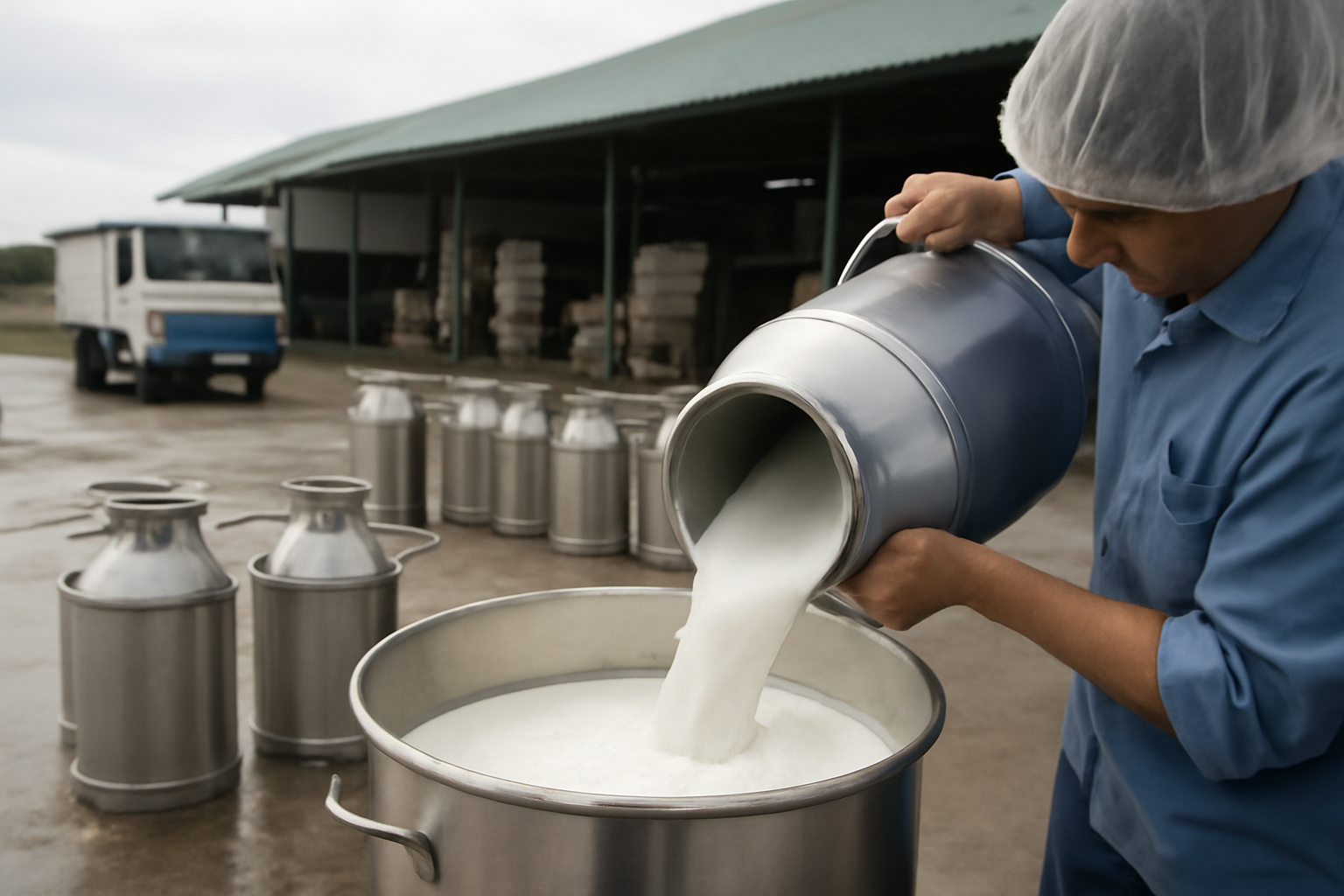
Colombia's dairy chain is entering a period of heightened weather risk with its cost structure already tightening. An assessment of the country's milk market identifies the El Nino phenomenon as a threat to both the supply of raw milk and its prices, at a moment when formal collection is holding almost stable, the price paid to producers is rising and real sales are losing strength.
A weather shock aimed at pastures
Milk output in Colombia is closely tied to pasture conditions, which makes it one of the agricultural activities most exposed to a dry, warm phase. When rainfall falls short, forage availability drops first and yields per cow follow within weeks. Producers respond by buying concentrate feed, hauling water or reducing herd pressure on damaged pasture, and each of those responses raises the cost of a litre before it reaches a processing plant.
The warning therefore covers two variables at once. Supply is at risk because pasture-based systems lose productivity quickly, and prices are at risk because the cost of replacing grass with purchased feed is passed into the farmgate price. For processors, that combination removes the usual trade-off in which cheaper raw material compensates for weaker volumes.
Flat collection, rising producer prices
Formal collection, meaning the raw milk that industrial processors buy, record and pay for through formal channels, is described as almost stable. In a market with rising costs, a flat volume is not a neutral outcome. Processors cannot spread higher unit costs across a larger throughput, and plants running below capacity carry fixed costs per litre that do not fall when the milk price goes up.
Three pressures are converging on the same margin:
- Raw material: the price paid to producers is rising while collected volume is broadly unchanged.
- Coverage: the focus on formal collection implies that part of national output moves through channels industrial plants do not capture, and that share tends to compete more aggressively for milk when the farmgate price climbs.
- Demand: real sales are weakening, which limits how much of the cost increase can be transferred to the shelf.
Demand is the binding constraint
Real sales measure volume once price effects are stripped out. When they lose strength while prices rise, the chain is selling less product for more money: revenue may hold, but the underlying market is contracting. Dairy is particularly exposed to that dynamic because fluid milk, cheese and yoghurt compete inside household food budgets that adjust quickly to price increases.
That leaves processors with a narrow set of responses. They can absorb the increase and compress margins, shift pack sizes and product mix toward cheaper formats, or raise shelf prices and accept further volume loss. Each option reduces the amount of milk the industry is willing to take from farms, which feeds back into collection.
What the chain will be watching
The variables that will define the next stage are the trend in formal collection, the size and persistence of the increase in producer prices, and whether real sales stabilise. If collection stays flat while demand recovers, the gap is usually closed with powdered milk, drawn either from inventories or from imports, shifting pressure from producers toward importers and traders. If demand keeps weakening, the adjustment falls on farmers first, since processors facing shrinking sales have little reason to bid for additional volume.
Timing matters as well. Weather effects on pasture are not immediate; they accumulate through a dry phase and continue to affect yields after rainfall returns, because damaged pasture takes time to recover. That lag means the supply consequences flagged now would be felt over several months rather than within a single collection cycle.