El Nino Threatens to Turn Global Sugar Glut Into a Deficit
El Nino weather is disrupting sugar harvests in Brazil, India and Thailand, the world's three largest producers, threatening to turn an expected global surplus into a deficit. Raw sugar futures have risen more than 25% since July, and hedge funds have built their most bullish position in years.
Weather Reverses a Glut Into a Looming Deficit
The global sugar market has flipped from an expected surplus to a probable deficit as El Nino weather disrupts harvests across Brazil, India and Thailand, the world's three largest producers, which together account for more than half of global output. Raw sugar futures have surged more than 25% since July, and many analysts now expect a shortfall for the season that started this week, reversing a view from roughly seven months ago, when sugar prices hit a five-year low on expectations of a bumper Brazilian crop.
El Nino is intensifying rainfall in Southern Hemisphere cane-growing regions while deepening drought north of the equator, according to Leonardo Alencar, a Sao Paulo-based food, beverages and agribusiness analyst at XP Investimentos. "When El Nino simultaneously threatens centre-south Brazilian cane performance and Asian exportable surplus, the market loses its main supply buffers, typically leading to a tighter global balance, lower inventories, and support for sugar prices," Alencar wrote. Eder Vieito, chief executive officer of Green Pool Commodity Specialists, said losses in production "have been significant across the board."
Brazil's Mills Lose Crushing Days
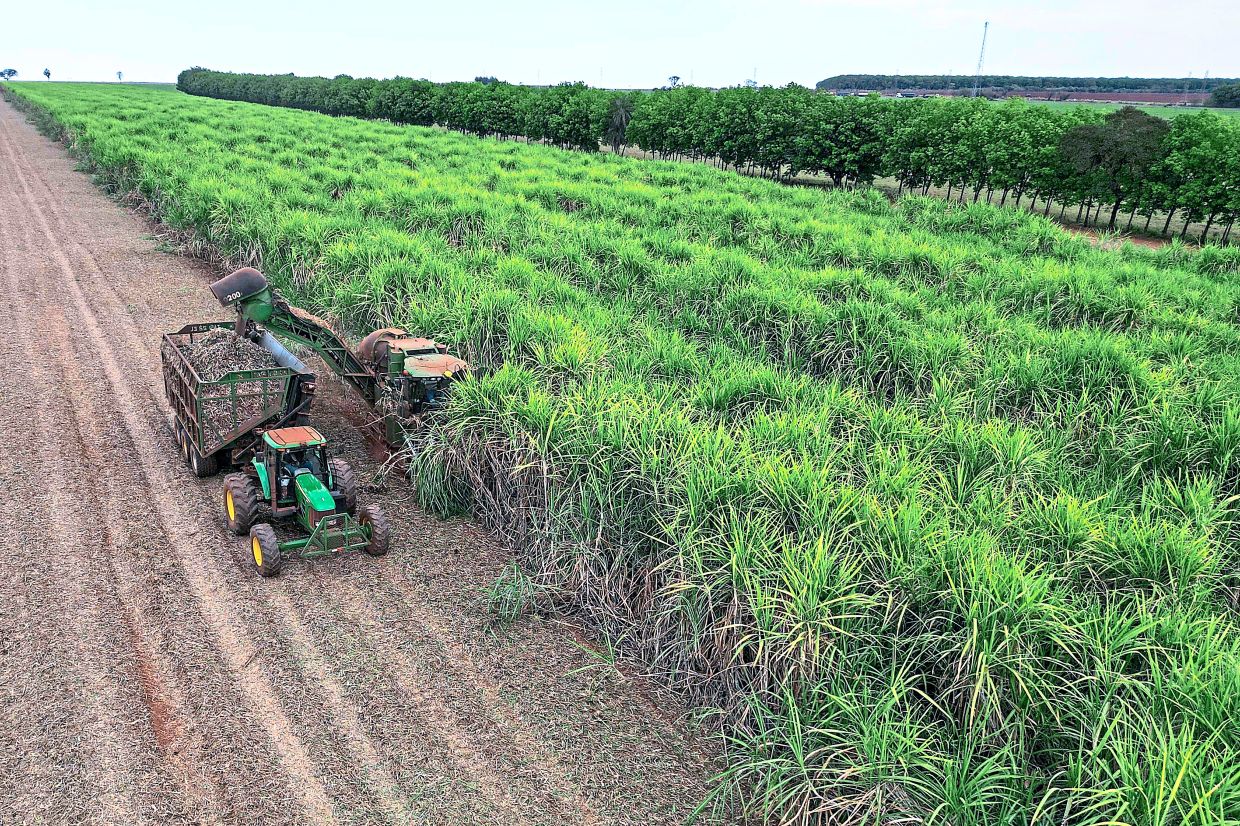
Rainfall across several key Brazilian growing areas has reached as much as four times normal levels over the past month, according to Donald Keeney, senior agricultural meteorologist at Vaisala Xweather. The rain has interrupted harvesting and prevented mills from processing cane, adding to supply pressure after the Iran war oil shock diverted more sugarcane output into ethanol production. Jose Pessoa of the Jose Pessoa Group, a family business involved in planting and crushing in Brazil's centre-south and north-east, estimated lost crushing days will cut the country's exports by about 2 million tonnes, because expected December rains will prevent mills from extending the season to catch up. "When delays happen, mills tend to try and extend crush through December. But this year, this will not be possible," Pessoa said. "We won't be able to prolong crush and it's El Nino's fault."
India and Thailand Face Sharper Cuts
India, the world's second-biggest producer, has just recorded its weakest monsoon since 2015, cutting projected output to about 30 million tonnes. Green Pool's Vieito said stockpiles built up during the earlier glut are now tightening, leaving India with little cushion against another disappointing crop. In Thailand, rainfall in the north-east region, the country's largest cane-growing area, has run at about two-thirds of the 30-year average, Vaisala data show. That is expected to cut Thai sugar output by at least 17%, to below 10 million tonnes, in the coming season. "The situation on my sugarcane farm is very terrible, affected not only by drought but also by sugarcane diseases," said Suntorn Nongkhunsarn, a farmer in Kalasin province.
Beet Harvests and Market Positioning
El Nino is also weighing on Northern Hemisphere beet crops. Drought has delayed harvesting in parts of the United States, according to Andraia Torsiello of Expana, while heat waves in Europe have cut beet output to its lowest level in at least a decade and helped prices recover from multi-year lows. France, Europe's largest producer, is on track for its worst output since at least 1980 after the region's hottest-ever summer.
- Global sugar prices have risen 18% this year, more than any other component of the United Nations' food commodity price gauge apart from vegetable oils.
- Open interest in sugar futures has hit record highs, with hedge funds building their most bullish position in years.
Carlos Mera, head of agricultural commodities markets at Rabobank, said "there's a lot of money betting on El Nino effects," adding that speculative positioning may have pushed prices higher than current fundamentals justify. Beyond sugar, analysts note that rice, cocoa, coffee and palm oil are also exposed to the same El Nino pattern, with sugar serving as an early signal of broader crop stress as the climate phenomenon is forecast to peak around year-end.