El Niño Raises Risks to Brazil’s Sugarcane Yield and Recoverable Sugar
Irregular rainfall and higher temperatures associated with El Niño could reduce sugarcane productivity and Total Recoverable Sugar in Brazil. The resulting pressure on cane quality would affect the raw material available for both sugar and ethanol production.
Irregular rainfall puts cane fields under pressure
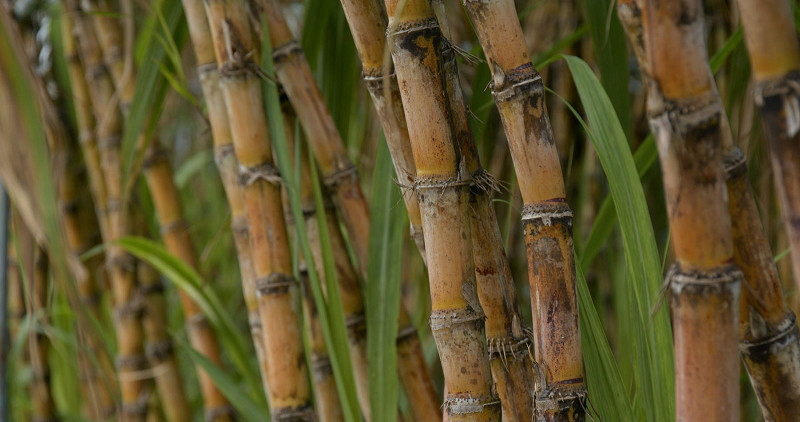
The confirmation of El Niño by the US National Oceanic and Atmospheric Administration has put Brazilian sugarcane producers on alert. According to Dourados Agora, rainfall is expected to become less evenly distributed, with periods of excessive precipitation alternating with water shortages. Higher temperatures may add to the pressure on fields and undermine the profitability of Brazil’s sugar and bioenergy sector.
The risks differ by growing region. In areas receiving excessive rain, more intensive leaching can remove nutrients from the soil profile. In drought-affected regions, water scarcity and heat can cause severe losses in both agricultural productivity and Total Recoverable Sugar, or ATR, agronomist Victor Hugo de Faria Guedes, a market development specialist at Biotrop, told Dourados Agora.
ATR is a key commercial indicator because it measures the recoverable sugar contained in the cane delivered to mills. A decline means that processors obtain less usable sugar from the same volume of harvested cane. That can weaken returns for growers whose payments depend on cane quality and reduce the flexibility of mills allocating feedstock between sugar and ethanol.
Heat and drought can restrict sugar accumulation
Water shortages combined with high temperatures can trigger oxidative stress in sugarcane. Under these conditions, reactive oxygen species accumulate faster than the plant can neutralize them. These molecules can damage cell membranes and other cellular structures, interfering with photosynthesis and energy metabolism.
The plant then diverts part of its energy away from growth and sucrose accumulation and toward survival. Reduced photosynthetic activity limits sugar production, while impaired growth weighs on cane tonnage. The combination creates a dual risk for mills: less cane may reach the crushing line, and each tonne may contain less recoverable sugar.
Management options move into focus
Guedes said advance planning and appropriate crop management could mitigate some of the damage during dry periods. He highlighted biological inputs designed to increase tolerance to thermal stress, encourage root development and help plants maintain water within their cells. Biotrop says its microbiological plant activator also stimulates antioxidant enzymes, supporting the plant’s physiological balance under oxidative stress.
A stronger root system can allow cane to explore deeper soil layers in search of water, helping crops withstand temporary shortages. However, the source provided no field-trial results, cost estimates or quantified yield benefits for the product. For producers and mills, the central issue remains the combined exposure of cane volume and ATR to uneven rainfall and heat. Any deterioration in both indicators would tighten the raw-material balance for sugar and ethanol production and place greater emphasis on field monitoring, water management and timely agronomic intervention.