El Niño Rains Lift Brazil’s Cane Outlook but Put Sugar Recovery at Risk
More frequent rain could support cane yields in Brazil’s Center-South and keep 2026/27 crushing above 640 million tonnes. Excess moisture may delay harvesting and reduce recoverable sugar, raising processing costs despite stronger crop volumes.
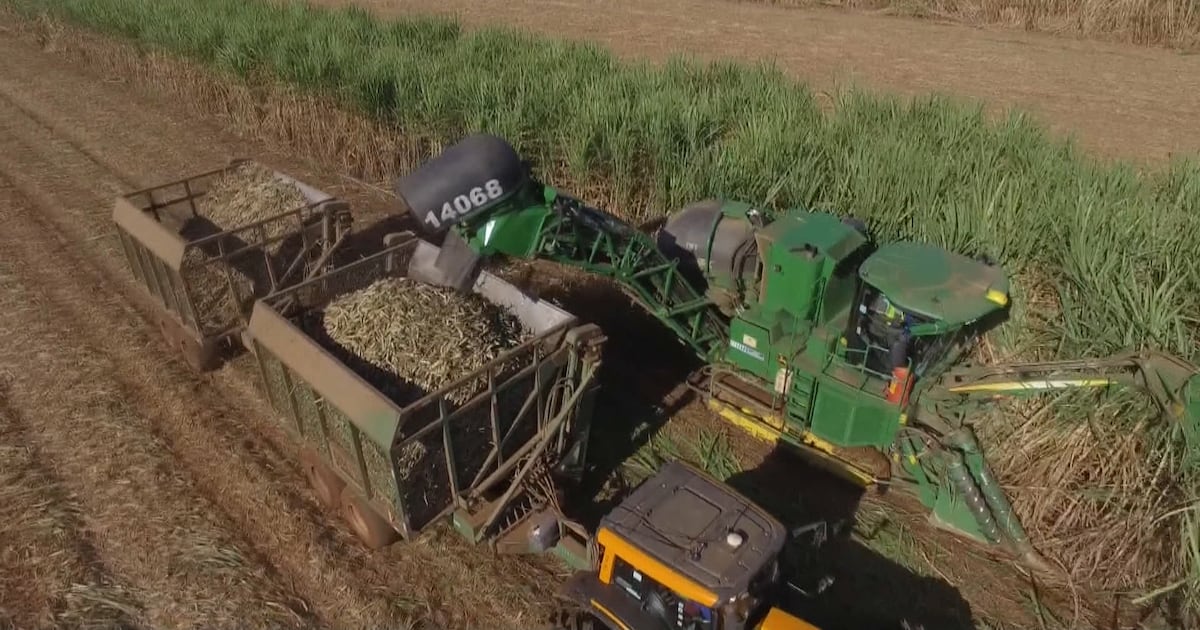
Rain supports a larger cane crop
More frequent rainfall linked to El Niño is improving the volume outlook for Brazil’s 2026/27 sugarcane crop, but the same weather pattern could reduce the amount of sugar recovered from each tonne of cane. The tension between agricultural productivity and raw-material quality matters beyond the farm gate: Brazil is the world’s leading sugar exporter, and changes in Center-South output can affect global supply expectations and prices.
Industry estimates cited by Clique F5, including projections from StoneX, put total Center-South crushing at more than 640 million tonnes. The forecast reflects a recovery in agricultural productivity. R7 reports that more frequent rain during the second half of the year could aid cane development and support yields in both 2026/27 and the following crop.
The rainfall is arriving during a period normally associated with milder temperatures and drier conditions. This seasonal water stress helps concentrate sucrose in the plant. Instead, recurrent rain and higher-than-expected soil moisture are keeping cane in a vegetative growth phase, directing plant energy toward growth rather than sugar storage in the stalks.
Lower ATR could offset volume gains
The main concern is Total Recoverable Sugars, or ATR, the industry measure that connects cane quality with producer and mill revenue. Both R7 and Clique F5 report that excess moisture may slow maturation and limit ATR accumulation. R7 says the more intense effects are expected from September onward, when rainfall could also delay the harvest.
Lower ATR means mills must crush more cane to produce the same quantity of sugar or ethanol. That reduces industrial efficiency, increases production costs and narrows operating margins. High soil moisture can also impair root oxygenation and encourage disease, while saturated fields make it harder to operate heavy machinery. Mills and growers face higher risks of soil compaction, machinery becoming stuck and fields being harvested either too early or outside the ideal maturity window.
The combined effect complicates the supply signal for sugar markets. A crop exceeding 640 million tonnes suggests ample raw-material availability, but cane volume alone does not determine finished sugar output. If ATR falls, the additional tonnes may yield less sugar than buyers expect. In São Paulo state, white crystal sugar prices remain unstable, according to R7. Buyers are waiting for prices to decline on expectations of greater product availability, while Cepea reports that transactions are occurring only selectively.
Producers adjust maturation plans
Growers and mills are being advised to coordinate variety selection, weed control, nutrition and crop protection more closely with harvest scheduling. Clique F5 reports that chemical and biological ripeners can stimulate sucrose accumulation during wetter winters and restrain renewed vegetative growth after rain late in the cycle. The publication cites IHARA’s systemic ripener RIPER, which the company says can increase ATR by 4% to 8% under suitable management conditions.
Those gains are product-specific claims rather than a forecast for the crop as a whole. Still, the focus on maturation shows where the sector’s commercial risk is concentrated. The 2026/27 season may deliver more cane, but profitability will depend on whether mills can preserve sugar content, maintain harvesting windows and convert the larger crop efficiently into sugar and ethanol.