El Niño drought cuts Indonesian sugarcane harvest outlook by half
Extreme El Niño-related drought has affected nearly all Indonesian sugarcane plantation areas, with farmers expecting harvests to fall to 50% of their potential. Planting costs have climbed to Rp65 million per hectare on plantation or forestry land, while mills are struggling to process cane harvested early to avoid further losses.
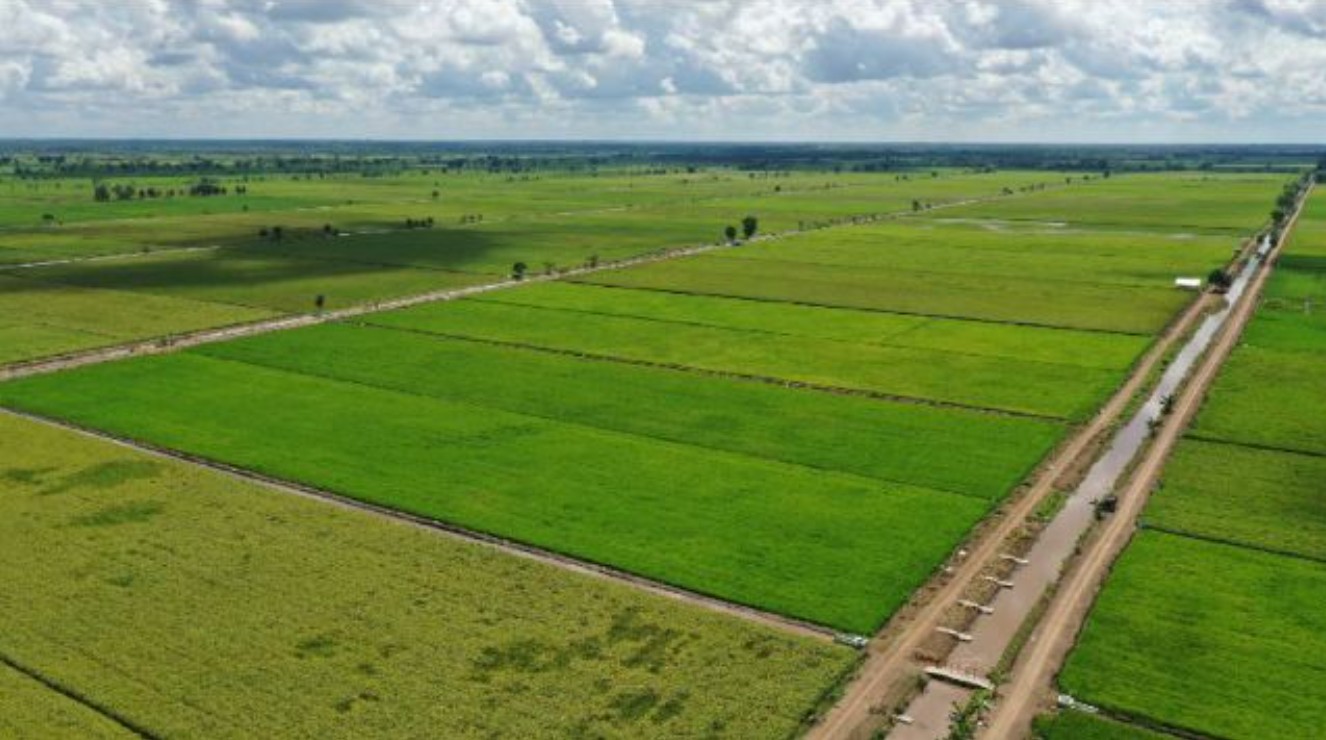
Drought threatens sugarcane across Indonesia
Extreme El Niño conditions have triggered severe drought across nearly all of Indonesia’s sugarcane plantation areas, putting farmers under simultaneous pressure from lower yields and rising production costs. Harian Disway reported that the country’s sugarcane sector faces heavy financial losses as limited water supplies make field preparation and crop maintenance more expensive.
Soemitro Samadikoen, chairman of the Indonesian People’s Sugarcane Farmers Association, or APTRI, said the water crisis could cause substantial losses for growers. Farmers now expect their harvests to shrink to only 50% of their potential, leaving substantially less cane available to recover the money invested in planting and maintaining each hectare.
Costs rise to Rp65 million per hectare
According to Soemitro, the operating cost of growing sugarcane on plantation or Perhutani forestry land has risen to Rp65 million per hectare. That compares with a normal cost of Rp50 million to Rp55 million on irrigated rice land. The difference highlights the additional burden borne by growers operating in areas where water is harder or more expensive to secure.
Emergency irrigation is adding further costs. In Madiun, renting water for sugarcane fields reportedly costs Rp1 million for a single irrigation of one hectare. Repeated watering at that price would increase farmers’ exposure even as the drought reduces the amount of cane they are likely to harvest.
The combination of a 50% harvest outlook and costs of as much as Rp65 million per hectare threatens farm margins. The immediate impact falls on growers, but a smaller crop could also reduce cane availability for sugar mills and affect the domestic supply chain for granulated sugar. The source did not provide a national production forecast or an estimate of the resulting sugar deficit.
Early harvesting creates mill bottlenecks
Farmers are trying to cut their cane quickly before the plants die or dry out further, but sugar mills do not have enough capacity to accept all of the incoming crop at once. Soemitro said large volumes of cane were being left in queues because factories were full. The delay creates another risk for growers attempting to preserve the recoverable value of drought-damaged fields.
APTRI has urged the government to review the maximum retail price, known as HET, for granulated sugar sold to consumers. Farmers want selling prices to move freely with the market so that they can offset higher planting capital and emergency water expenses. Any review would have to balance those losses against consumer prices and the needs of domestic processors. Harian Disway did not report a government response or details of a proposed price change.