El Niño Delays Peru’s Citrus Season by Three Weeks and Cuts Volumes by Up to 30%
El Niño-related heat has delayed Peru’s citrus season by about three weeks and reduced projected volumes by 25-30%. Exporter Siembra Alta expects to finish the season 20% below plan as South African supply limits price gains in Europe.
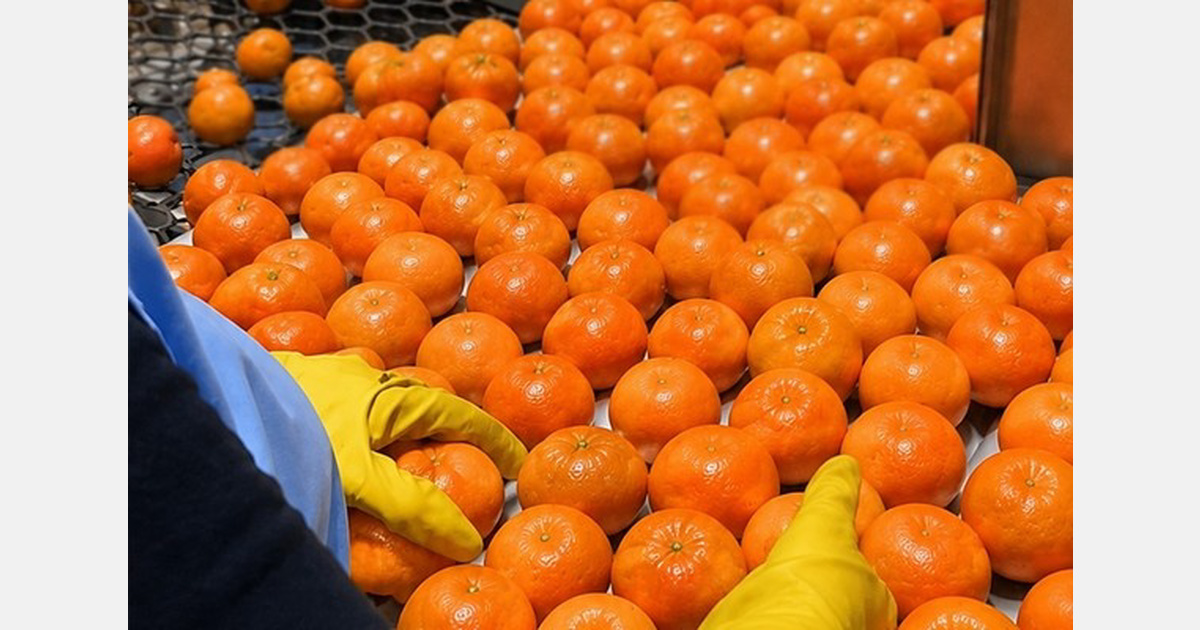
Heat disrupts color development and harvest timing
Peru’s citrus campaign is running about three weeks behind schedule, while expected volumes are 25-30% below initial projections because of weather associated with El Niño, FreshPlaza reported. The disruption is affecting the availability of fruit that meets export specifications and could alter delivery schedules for international buyers.
Antonio Falcone, general manager of Peruvian producer and exporter Siembra Alta, said high temperatures prevented orchards from receiving the lower temperatures needed for mandarins to develop full color. The problem is more pronounced in the Chincha and Santa Rosa valleys, while fruit development has been somewhat more favorable in Pisco, Paracas and Ica. Export packing is consequently constrained not only by total crop size but also by the amount of fruit reaching the required color at origin.
Markets face uneven supply conditions
Siembra Alta produces and exports Satsuma, Orri, Nadorcott, Primosole and Tango mandarins, with demand varying by destination. Falcone said the company is particularly strong in Canada with Orri, while buyers in Mexico show greater preference for Nadorcott and Tango. Stable North American and Canadian programs offer some commercial continuity, but their execution depends on the reduced supply of properly colored fruit.
The outlook is less certain in Europe, where considerable South African shipments are competing with the delayed Peruvian crop. Falcone expects European consumption to improve from around mid-September, when the market normally becomes more active. However, the combination of late arrivals and competing supply could complicate the timing of Peru’s sales window. Importers may have to adjust weekly programs, while exporters will need to prioritize destinations and specifications that offer the best return for limited packable fruit.
Lower supply has not produced a price surge
Despite the 25-30% reduction against projected crop volume, prices have remained stable rather than rising sharply. Falcone attributed the limited price response partly to the large quantity of fruit arriving from South Africa. That supply gives European buyers an alternative and reduces the immediate pressure to pay substantially more for late Peruvian mandarins.
Siembra Alta now expects its season-ending export volume to be 20% below plan. The company will concentrate part of its remaining offer on late varieties such as Honey Murcott, which is expected to be available until week 48, and is prioritizing quality over volume. The weather impact may extend beyond the current campaign: delayed flowering in early varieties including Autumn and Primosole could also affect production in the 2027 season. For growers and exporters, that creates a need to monitor flowering, fruit color and packout rates before committing volumes to future programs. For buyers, the immediate issue is whether reduced Peruvian availability leaves gaps after competing Southern Hemisphere supplies begin to decline.