Egypt Targets More Frozen-Strawberry Sales to China After $84 Million Export Year
China imported about $84 million of Egyptian frozen strawberries in 2025, becoming the product’s second-largest destination after Germany. Egypt shipped approximately 557,000 tonnes worldwide, worth about $690 million, and accounted for around 36% of global frozen-strawberry exports.
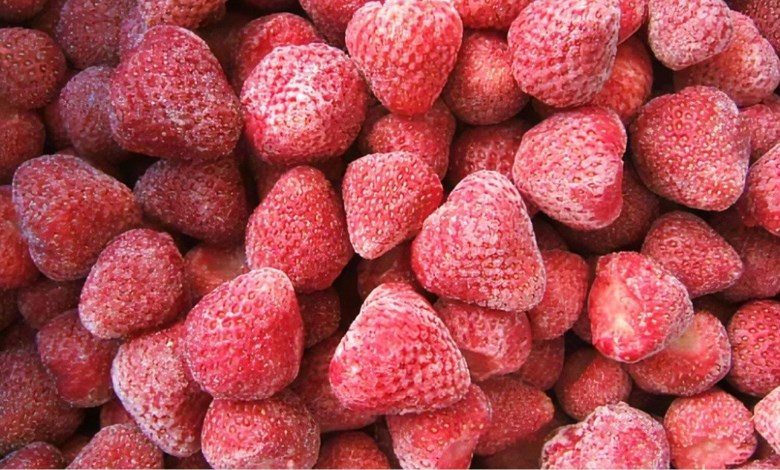
China becomes Egypt’s second-largest market
Egypt is seeking additional opportunities for frozen strawberries in China after the country emerged as the second-largest destination for Egyptian shipments in 2025. According to Al Amal Al Mal, China received about $84 million of the product during the year, equivalent to approximately 12% of Egypt’s total frozen-strawberry export value.
Germany remained the leading destination, although the source did not disclose its import value or volume. China’s second-place position nevertheless gives Egyptian processors and exporters a substantial base from which to expand sales as economic relations between the two countries deepen.
The opportunity concerns a product in which Egypt already holds a strong international position. Its combination of agricultural production and food-processing capacity has allowed suppliers to serve major overseas markets with frozen fruit rather than relying solely on the shorter commercial window for fresh strawberries.
Egypt accounts for 36% of global exports
Egypt exported approximately 557,000 tonnes of frozen strawberries in 2025, generating about $690 million, Al Amal Al Mal reported, citing data from the Food Export Council. The country retained its position as the world’s largest exporter and represented around 36% of total global frozen-strawberry exports.
Those figures make the Chinese market commercially important beyond its position in the destination ranking. The $84 million shipped to China represented more than one-tenth of Egypt’s total sales of the product, while the remaining exports were distributed among Germany and other international markets.
For Egyptian growers, freezing companies and logistics providers, a larger Chinese outlet could support demand across the supply chain. For Chinese importers and food manufacturers, Egypt offers access to an established, large-scale source of frozen fruit. Future growth, however, will depend on the ability of suppliers to meet Chinese market-access, food-safety and buyer requirements; the source did not identify any new protocol, tariff measure or signed supply agreement.
Bilateral engagement may support wider access
The report linked the export outlook to the Chinese president’s visit to Egypt, which is expected to provide an opportunity to discuss broader economic cooperation and additional market access for Egyptian products. No specific export target, timetable or new approval for frozen strawberries was announced in the supplied material.
Frozen strawberries form part of a wider effort to increase the presence of Egyptian food and agricultural products in China. The existing trade figures show that this is not a market-entry story: China is already a major buyer. The next stage is whether exporters can increase volumes and value while maintaining Egypt’s leading global share and managing its exposure across several destination markets.
For market participants, China’s role also provides a useful measure of bilateral food-trade development. Growth from the 2025 base would strengthen China’s importance for Egyptian processors, while slower demand would leave Germany and other destinations more central to future expansion. With no forward forecast disclosed, shipment data will remain the clearest indicator of whether political engagement translates into additional commercial business.