Egypt Targets Higher Food Exports to Russia Ahead of World Food Moscow
Egypt is preparing about 20 food companies for World Food Moscow on 15-18 September 2026 as it seeks to expand sales of frozen produce, canned goods, herbs and spices. Logistics, product standards and access to Russian distribution channels remain the main practical barriers.
Egypt prepares exporters for Moscow food fair
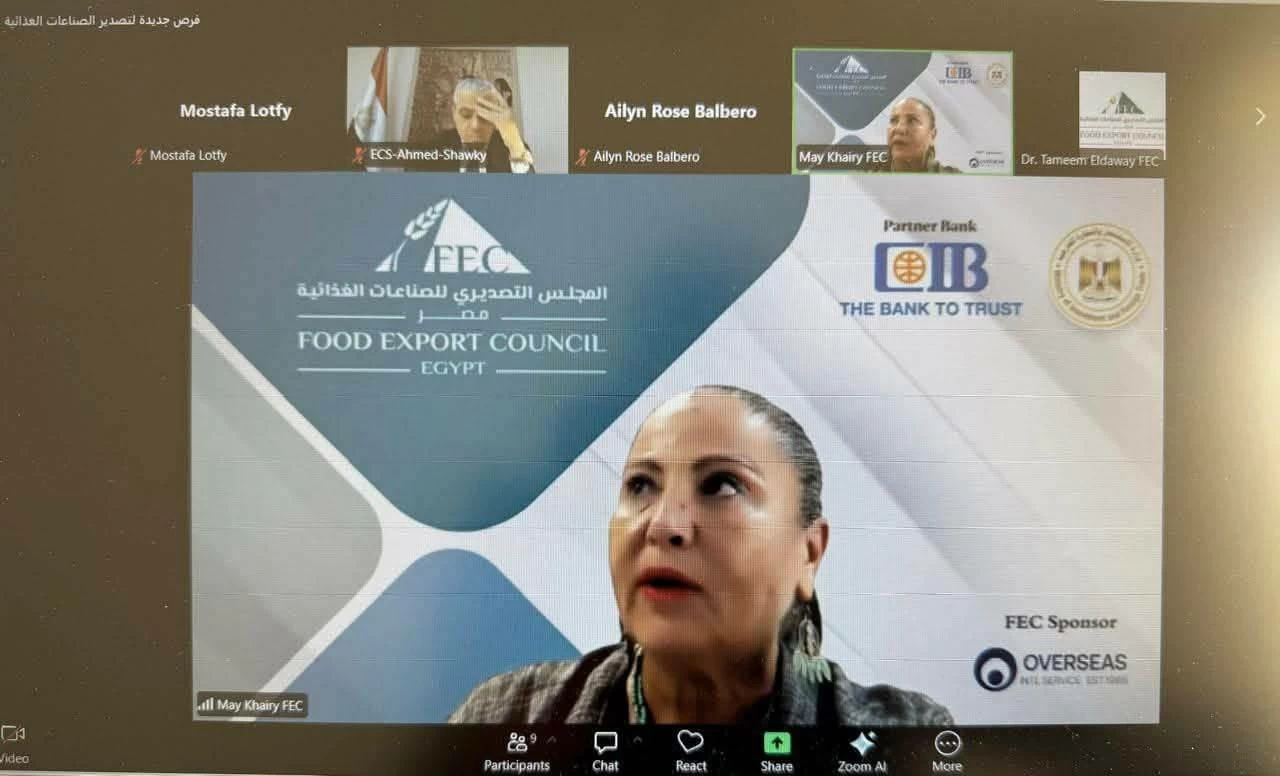
Egypt is seeking to increase food exports to Russia by connecting its producers directly with importers, distributors and major retail chains. The Egyptian Commercial Service office in Moscow held a virtual seminar for companies interested in the market ahead of World Food Moscow, which is scheduled for 15-18 September 2026.
About 20 Egyptian companies are expected to participate in the exhibition. According to Al-Masry Al-Youm, the initiative was organized with the Food Export Council and the company responsible for the international food fair, under a broader government effort to raise exports and open additional markets for Egyptian products.
Frozen produce leads identified opportunities
The Moscow trade office identified frozen vegetables and fruit, canned products, herbs and spices among the Egyptian food categories with potential to increase their share of the Russian market. It said Egypt ranks first among suppliers to Russia for frozen strawberries, frozen vegetables and herbs, giving exporters an established base from which to pursue further growth.
Figures presented during the seminar showed Egyptian food-product exports to Russia at about $97 million, compared with roughly $86 million, an increase of around 13%. The source did not specify the periods covered by that comparison. Food exports reached approximately $54 million from January through July 2026.
The exporter base is relatively broad: around 172 Egyptian companies sell processed foods to Russia, and 21 of them each recorded exports exceeding $1 million. This indicates that the market is not served only by a handful of large suppliers, although the gap between the total company count and the number above the $1 million threshold also points to room for smaller exporters to scale.
Logistics and distribution remain key barriers
The seminar focused on standards and specifications, shipping, transport, market entry and distribution channels. These issues are central for frozen and processed foods, where delivery reliability, product compliance and access to retail buyers can determine whether competitive production translates into repeat orders.
Shamil Magomedov, executive director of the Russian Association of Retail Market Experts, briefed participants on the Russian food market and the requirements Egyptian exporters should consider. The association includes Russian food companies as well as supermarket and hypermarket chains. Egyptian officials said World Food Moscow could provide direct access not only to Russian buyers but also to importers and distributors from countries of the Eurasian Union.
Food exports form part of a wider trade push
Egypt-Russia trade reached about $6 billion in 2025, while Egyptian exports to Russia rose to approximately $810 million from about $602 million in 2024, a gain of roughly 34.5%, according to figures cited by Al-Masry Al-Youm. The upward trend continued in 2026, with Egyptian exports to Russia reaching about $613 million between January and July.
Egyptian Commercial Service head Abdel Aziz El Sherif said food processing could contribute further growth because of the competitiveness of Egyptian products, increasing demand for some food and agricultural goods, and exporters’ accumulated experience in Russia. The trade office plans to arrange meetings with importers and distributors, provide market information and follow potential contracts after the exhibition. For participating companies, the commercial test will be whether established strength in frozen produce and herbs can be converted into broader listings, dependable logistics and recurring sales.