Egyptian sweet potato exporters agree EGP 7 per kg minimum grower price
Major sweet potato producers, exporters and farmers in Damietta and Kafr El-Sheikh agreed on a minimum purchase price of EGP 7 per kilogram for the current and next seasons. The initiative also seeks to align cultivation practices with European and international market requirements.
Industry agrees price floor for two seasons
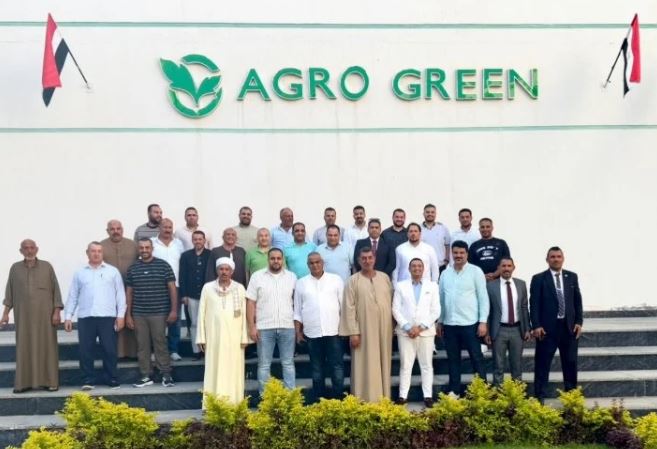
Major Egyptian sweet potato producers, exporters and farmers have agreed on a minimum purchase price of EGP 7 per kilogram for the current and next seasons. The agreement was reached at a meeting hosted by agricultural export company Agro Green and attended by industry representatives from the governorates of Damietta and Kafr El-Sheikh.
According to Moltaka Al-Iqtisad and Al Mal, the participants agreed that exporters should not buy below farmers’ actual production costs. The EGP 7 threshold is intended to protect growers from losses while providing exporters with a more stable production base. The reports did not specify how the agreement would be enforced or whether it would apply beyond the companies and farmers represented at the meeting.
Production to follow export-market requirements
The meeting also focused on connecting farmers more directly with the requirements of European and other international markets. Participants said information about overseas standards should reach growers at the beginning of the production cycle rather than after the crop has been harvested.
Farmers called for a clear cultivation program covering good agricultural practices, permitted pesticides and the required pre-harvest intervals. They also requested training sessions to prevent the use of prohibited chemicals and reduce pesticide-residue problems. For exporters and packing stations, closer control at farm level could lower the risk that consignments fail to meet customer or regulatory specifications.
The initiative brings together Agro Green and representatives of Shahd Al Malika, Grebnia, Al Rashid, Green Foods, Al Hikma, Al Geyoushi and Misr Al Khadra, alongside farmers from Damietta and Kafr El-Sheikh. Participants invited other exporters, producers and packing stations to join future meetings, with the aim of coordinating on issues affecting crop quality and the reputation of Egyptian exports.
Sweet potato gains weight in Egypt’s export mix
Both publications reported that sweet potato has become Egypt’s third-largest agricultural export crop by volume, behind citrus fruit and potatoes. That position raises the commercial importance of consistent quality, particularly as growers and exporters seek to retain access to demanding overseas markets.
The parties said their objective was to combine a fair return for farmers with a product meeting international standards and an export sector able to compete abroad. They also expressed interest in involving Egypt’s Ministry of Agriculture and Land Reclamation and other government bodies in future meetings to provide technical and extension expertise.
The agreement gives growers a reference price for two seasons, but its market effect will depend on participation across the supply chain and adherence by buyers. For exporters, the central task will be to convert the higher degree of coordination into reliable quality and fewer residue-related problems. For farmers, the value of the price floor will depend on whether EGP 7 per kilogram continues to cover actual production costs and whether buyers consistently honor the commitment.