Egypt’s Sugar Surplus Pressures Domestic Prices and Tests Export Channels
Higher sugar production and strategic stocks have pushed supply above domestic demand in Egypt, weighing on local prices. The surplus increases pressure on producers and traders to develop export channels without disrupting the domestic market.
Supply moves ahead of domestic consumption
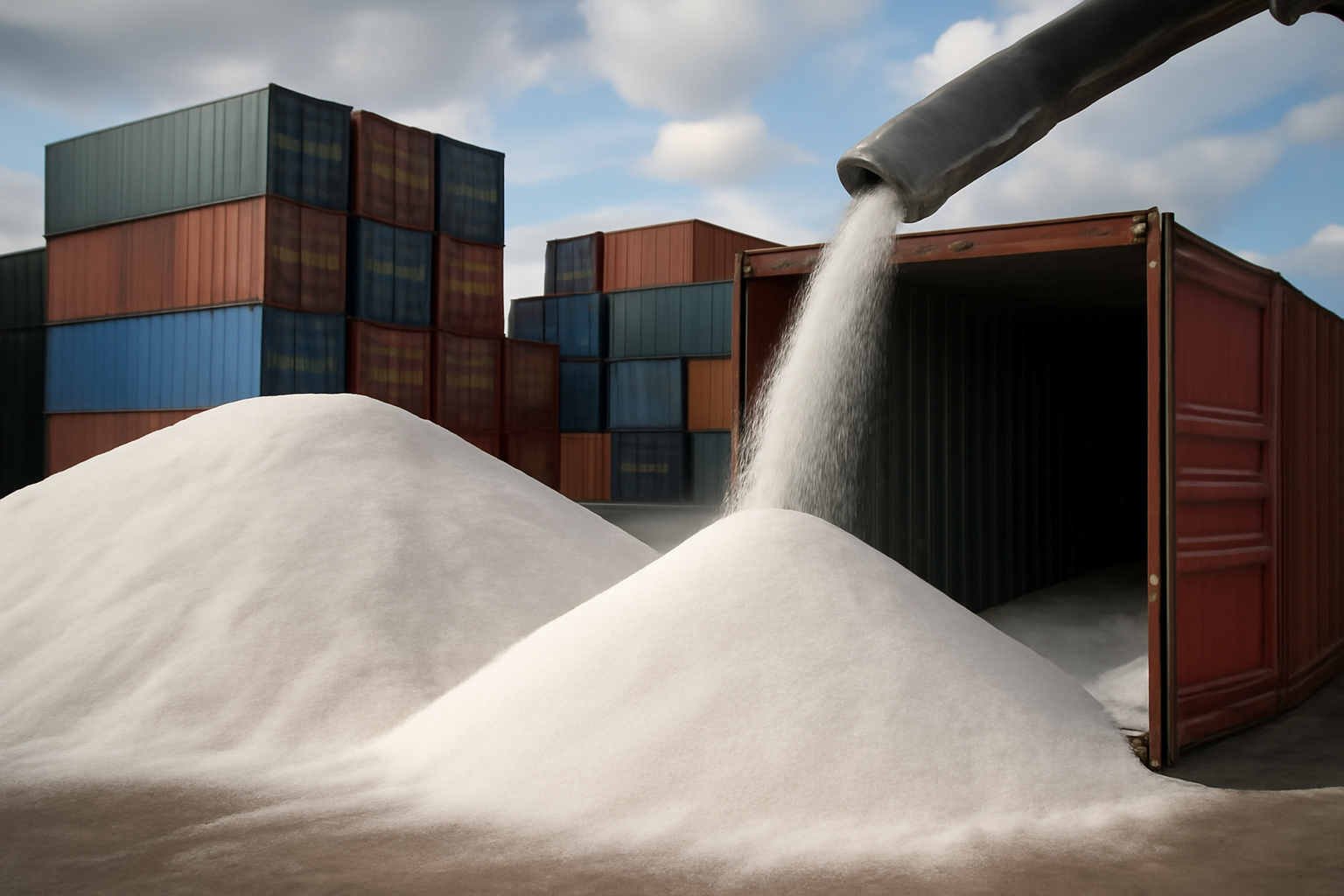
Egypt’s sugar market is facing downward price pressure as higher production and substantial strategic stocks create an abundance of supply. Cairo 24 reported that the volume available in the local market has exceeded demand and consumption, causing sugar prices to decline during the current period.
The imbalance marks a shift in the immediate challenge facing the sector. With the domestic market adequately supplied, producers, processors and distributors must manage volumes that cannot all be absorbed at prevailing consumption levels. Strategic stocks add another layer of available supply and reduce the urgency for buyers to secure additional quantities.
No production, inventory or price figures were provided in the available report, making it impossible to quantify the surplus or the scale of the decline. The direction of the market is nevertheless clear: additional output and accumulated stocks are competing for limited domestic demand.
Lower prices divide market participants
Falling prices can provide relief for industrial sugar users and other domestic buyers, particularly when supply is readily available. For producers and processors, however, the same movement can narrow margins and make inventory more expensive to hold. Traders also face greater exposure if stocks purchased earlier must be sold into a weaker market.
The effect will depend on how quickly the surplus is placed and whether production continues to exceed consumption. If excess volumes remain inside Egypt, competition among sellers may keep prices under pressure. A reduction in available stocks or stronger demand could ease that pressure, but neither development was identified in the source material.
Strategic inventories remain important for supply security, yet their presence changes commercial conditions when current production is already sufficient. Market participants must distinguish between stocks reserved for strategic purposes and sugar that can be released for normal sale. The size and availability of each category will influence the amount producers and traders need to place elsewhere.
Exports become the main outlet
The surplus increases the need to move sugar into foreign markets. Export channels can absorb part of the excess, support domestic prices and prevent inventories from accumulating further. Their effectiveness will depend on whether Egyptian suppliers can find buyers and offer commercially viable terms.
Exporting is not an automatic solution. Producers and traders must balance overseas sales against transport, handling and other commercial costs, while preserving sufficient domestic stocks. Without disclosed price or cost data, the competitiveness of Egyptian sugar abroad cannot be assessed from the available material.
The immediate issue for Egypt is therefore one of placement rather than availability. The country has more sugar on offer than its domestic market currently consumes, while strategic stocks remain high. Until the excess is absorbed at home or sold abroad, local prices are likely to remain sensitive to the volume held by producers, processors and traders.