Egypt’s sugar mills squeezed by cheap imports and widening retail price gap
Egyptian sugar factories are struggling to clear inventories as lower-cost imported sugar undercuts domestic production. Officials say the country produces about 2.8 million tonnes annually against consumption of 3.5 million tonnes, implying an import requirement of only 700,000 tonnes.
Imports collide with domestic inventories
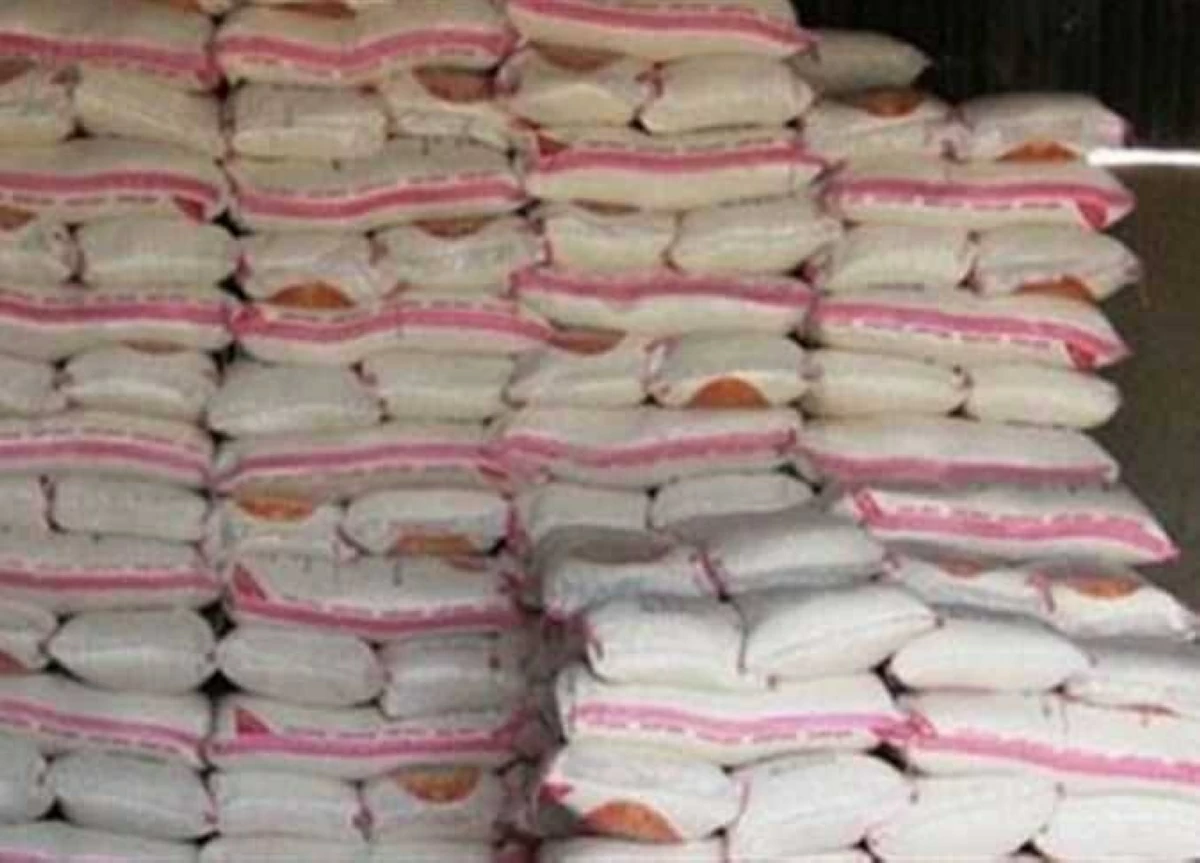
Egypt’s sugar industry is facing mounting pressure from low-cost imports that have slowed sales by domestic mills and left factories holding unsold stocks. Mostafa Abdel Gawad, chairman of the Sugar Crops Council at the Ministry of Agriculture, warned that continued inflows could eventually halt local production and threaten the supply system for one of the country’s strategic food commodities, Al-Masry Al-Youm reported.
Egypt produces about 2.8 million tonnes of sugar a year and consumes around 3.5 million tonnes, according to Abdel Gawad. The resulting deficit is approximately 700,000 tonnes, which he described as the volume of annual imports required to balance the market. He questioned why the domestic market was experiencing what he called import flooding despite official decisions indicating that foreign sugar should not currently be entering the country.
The competitive pressure is particularly severe because international sugar is cheaper than Egyptian production. That price difference has weakened the ability of local factories to sell their output. Abdel Gawad said their warehouses were full because buyers were choosing cheaper imported supplies, rather than because producers were deliberately withholding sugar from the market.
Lower factory prices fail to reach consumers
The disruption extends beyond factory inventories. Abdel Gawad said sugar leaves factories at 22 Egyptian pounds and reaches consumers at 34 pounds, while an 18% decline in sugar prices has not been passed through adequately at the retail level. The difference indicates that intermediaries are capturing much of the benefit from lower producer prices instead of households receiving cheaper sugar.
This creates two distinct price pressures within the same supply chain. Mills must compete with low-cost imports and accept weaker selling prices, while consumers continue to pay substantially more than the factory price. For processors and food manufacturers, the availability of cheaper sugar may reduce input costs, but an opaque spread between factory and retail prices complicates purchasing decisions and obscures the actual balance of supply and demand.
Al-Wafd also reported that Egyptian sugar companies were finding it difficult to sell, with some sugar trading below its official price. Large inventories have weakened factories’ ability to purchase sugar beet from farmers, linking the commercial slowdown directly to the next agricultural cycle.
Farm payments and contract farming at risk
According to Abdel Gawad, the sales freeze has left factories unable to pay farmers for sugar beet or sugar cane. Delayed payments could undermine contract farming arrangements that connect growers with processors and provide factories with predictable supplies. If mills cannot clear existing stocks or finance new crop purchases, farmers may face stronger incentives to reduce future planting or switch to other crops.
Exporting the surplus is not considered a practical solution. Abdel Gawad noted that world sugar prices are very low and imported sugar is already cheaper than Egyptian output. Domestic producers would therefore struggle to compete abroad without absorbing further losses, leaving inventory reduction dependent primarily on conditions inside the Egyptian market.
Abdel Gawad called for a complete suspension of sugar imports and for domestic demand to be supplied from local stocks. He also urged specialist committees to restore discipline to pricing so that producers, factories, farmers and the state can remain commercially viable while consumers pay what he described as a normal price. The policy challenge is to limit unnecessary imports without disrupting the roughly 700,000 tonnes of foreign supply needed to cover Egypt’s annual production deficit.