Egypt's strawberry acreage set to fall by up to 30% after season of price pressure
Egypt's strawberry planting area is expected to contract by as much as 30% in the coming season, the business outlet Economy Plus reported. The pullback follows the 2025/2026 season, which brought a sizeable expansion in planted area and sustained pressure on prices.
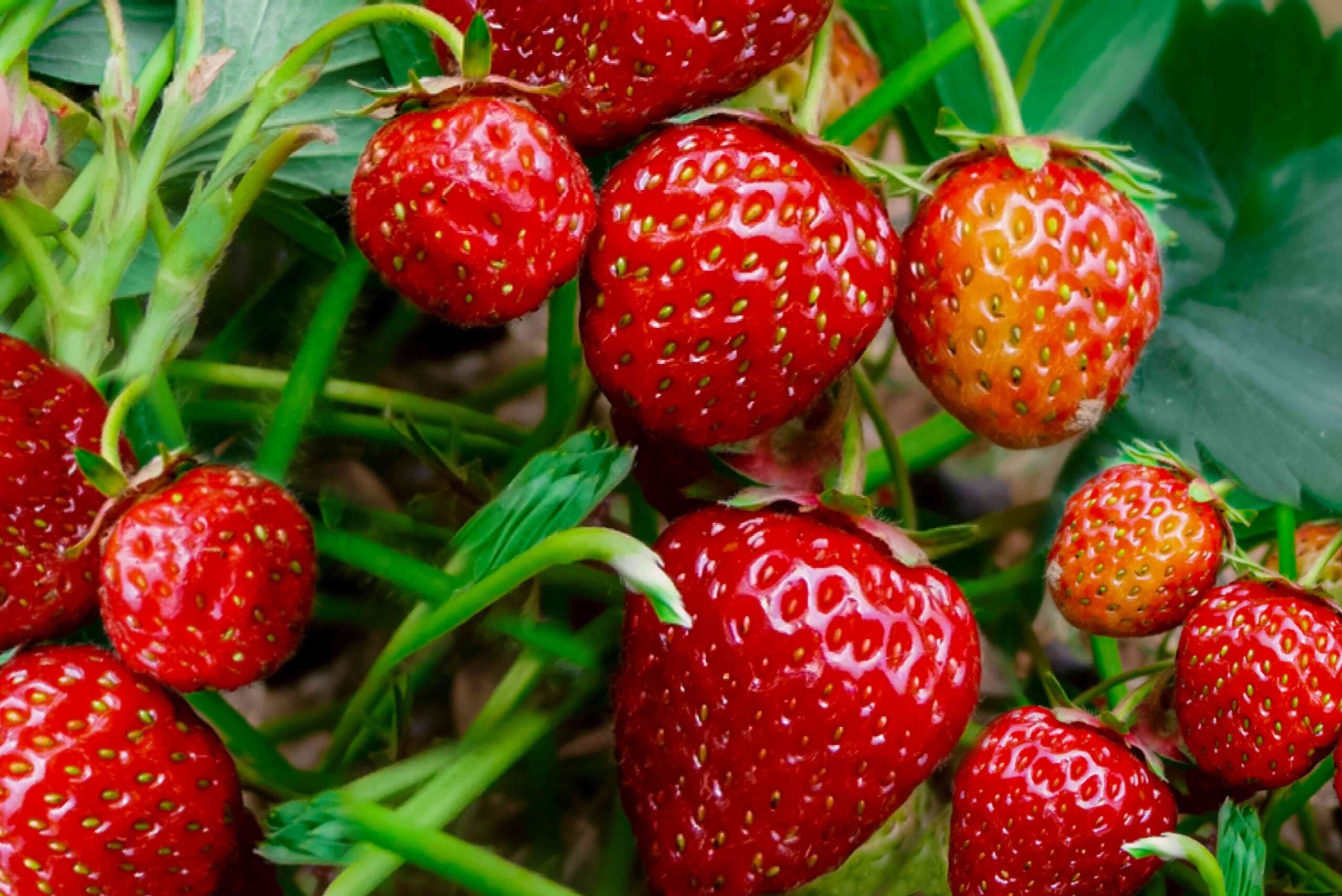
Egypt's strawberry planting area is heading for a decline of as much as 30% in the coming season, according to the Egyptian business outlet Economy Plus. The publication links the expected pullback directly to the price pressure growers faced over the past marketing year.
The contraction would follow the 2025/2026 season, which Economy Plus describes as a period of significant expansion in the area planted to strawberries in Egypt. That expansion, and the volume of fruit it delivered, is the backdrop to the weaker prices now prompting farmers to cut back.
Expansion, then the price squeeze
The sequence is a familiar one across horticulture. A profitable season pulls additional growers and additional land into a crop; the enlarged harvest arrives within the same narrow window; prices fall below the level that justified the investment in the first place. The correction then lands on acreage in the following cycle rather than on yields.
Strawberries amplify that cycle. The crop is highly perishable, the harvest window is compressed, and a large share of the fruit has to move into processing or export channels quickly once it is picked. When supply rises faster than the pace at which packhouses, freezing lines and export logistics can absorb it, the surplus shows up in farmgate prices almost immediately.
Why the acreage decision is hard to reverse
Strawberry area is effectively fixed at planting, months before the first fruit is harvested. Seedlings have to be secured in advance, and the cost structure is front-loaded: planting material, plastic mulch, drip irrigation, fertiliser and preparation of the land are all committed before any revenue arrives. Hand harvesting adds a further layer of labour cost through the picking season.
That makes the crop unusually sensitive to a bad price year. Growers without a forward contract with a freezing plant or an exporter carry the full price risk themselves, and they are typically the first to reduce area or switch to an alternative crop when returns disappoint. A decision taken at planting cannot be revisited if prices recover mid-season.
Implications for processors and exporters
A reduction of up to 30% in planted area would tighten the raw material base for Egypt's strawberry processing and export chain. Freezing and IQF operations in particular depend on steady throughput: fixed costs are spread across the volume that passes through the line, and a materially smaller crop raises the unit cost of everything produced.
Buyers that benefited from ample and cheaply priced Egyptian fruit during the past season would face a different market if the cut materialises. Competition for available volumes would intensify between processors and fresh exporters, and forward contracting ahead of planting becomes the main tool for securing supply. The same dynamic tends to put a floor under farmgate prices in the following season, which in turn sets up the next swing in area.
What to watch
Several indicators will show whether the expected contraction is confirmed at the scale currently signalled:
- Final planted area once the planting window closes, compared with the 2025/2026 base.
- Seedling and nursery demand ahead of planting, an early read on grower intentions.
- Farmgate prices in the run-up to planting, which can still pull part of the acreage back.
- Contracting activity between growers, freezing plants and fresh-fruit exporters.