Egypt Named Arab World’s Largest Wheat Producer as Output Is Estimated at 10.2 Million Tonnes
Egypt is expected to produce 10.2 million tonnes of wheat in 2026, according to FAO estimates cited by the Egyptian Cabinet and Youm7. The figure places Egypt first among Arab producers, although the report provides no import, consumption or previous-season data.
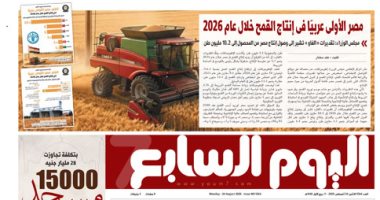
FAO estimate puts Egypt first among Arab producers
Egypt is expected to remain the Arab world’s largest wheat producer in 2026, with output estimated at 10.2 million tonnes. The figure was attributed to the UN Food and Agriculture Organization by Egypt’s Cabinet and reported by the Egyptian newspaper Youm7.
The ranking highlights the scale of Egypt’s domestic wheat sector within the Arab region. Youm7 did not provide production figures for other Arab countries, however, so the size of Egypt’s lead cannot be calculated from the published information. The report also did not include a comparison with Egypt’s output in 2025 or earlier seasons.
Domestic supply remains the central market variable
For producers, processors and grain buyers, the 10.2-million-tonne estimate establishes the expected size of the domestic crop. It does not, on its own, show how much wheat will reach commercial procurement channels, how much farmers may retain, or how the harvest will be distributed during the marketing season.
The report contains no figures for domestic wheat consumption or imports. It therefore does not quantify the gap between local production and total demand, nor does it indicate how the projected harvest could affect purchasing requirements from foreign suppliers. Importers and exporters will need those additional variables before translating the production estimate into a trade-volume outlook.
Questions remain over the crop and procurement
Youm7 did not specify the methodology, publication date or underlying assumptions of the FAO estimate. No details were given on planted area, yield, weather, irrigation, crop quality or the timing of the harvest. The report also did not identify the wheat varieties covered or distinguish between gross production and volumes available for sale.
The 10.2-million-tonne projection nevertheless gives the regional grain market a clear reference point for Egypt’s 2026 crop. Its commercial significance will depend on subsequent information about actual harvesting results, government and private-sector procurement, milling demand and import plans. Until those figures are published, Egypt’s first-place ranking is a production statement rather than a complete measure of its wheat balance or its influence on international purchasing.