Egypt’s food exports to EU rise nearly 49% as Iran conflict redirects trade
Egyptian exports of fresh and processed food to the European Union rose by nearly 49% in the first four months of 2026. Al Arabiya linked the increase to export routes shifting toward Egyptian suppliers amid the conflict involving Iran.
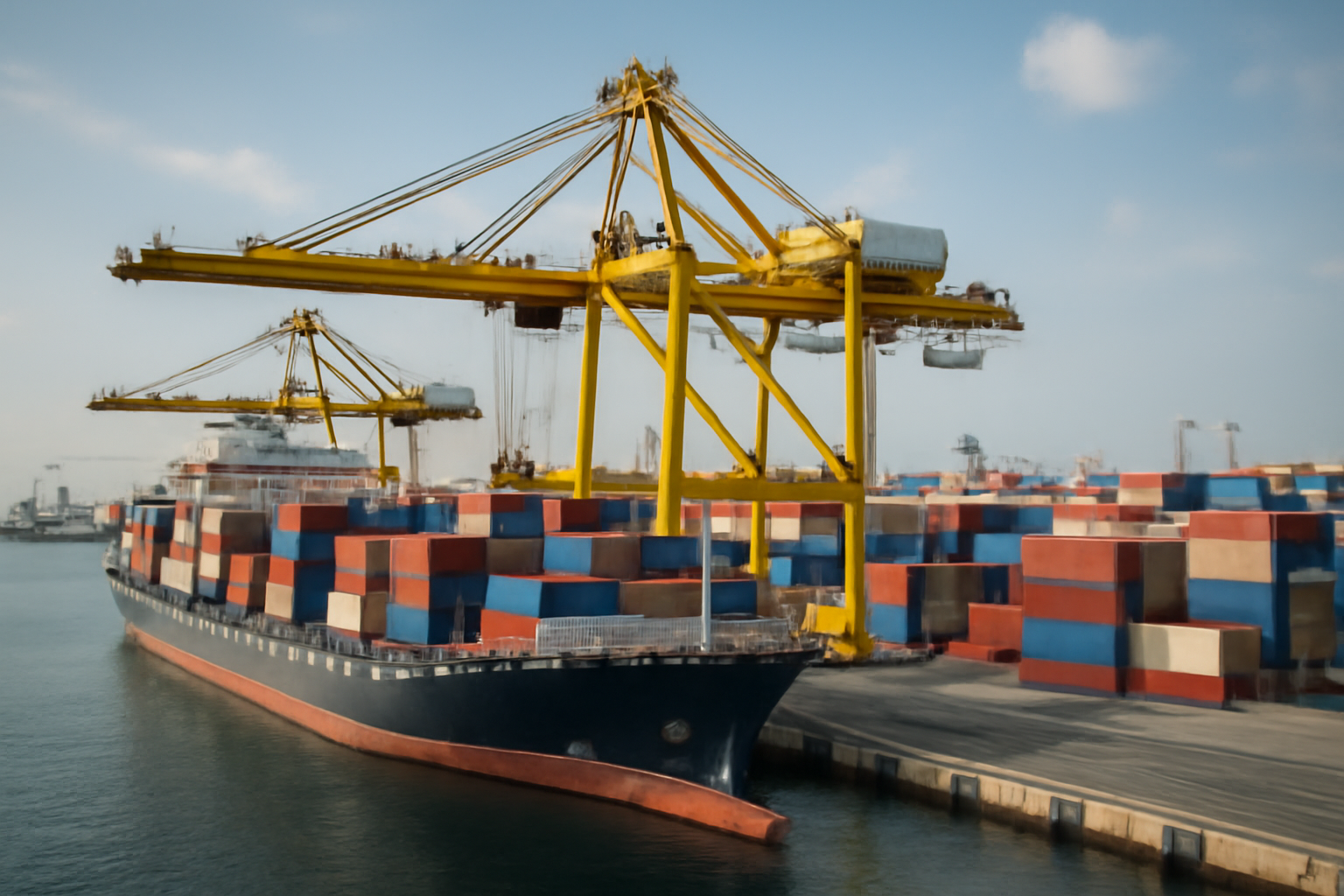
Egyptian food sales gain ground in Europe
Egypt’s exports of fresh and processed food to European Union markets increased by nearly 49% during the first four months of 2026, according to Al Arabiya. The publication linked the rise to a shift in export routes toward Egyptian suppliers as the conflict involving Iran disrupts established regional trading patterns.
The reported increase covers a broad food category rather than a single commodity. No value, tonnage, product breakdown or comparison-year total was provided in the available source material. Even with those limitations, the scale of the percentage change points to a significant acceleration in Egyptian food shipments to one of the country’s most important nearby consumer markets.
For European importers, Egypt offers a Mediterranean supply base positioned close to EU destinations. When instability affects routes or suppliers elsewhere in the region, that location can become more commercially important. The latest increase suggests buyers have already redirected part of their demand, although the source does not identify the EU member states, companies or products responsible for the growth.
Conflict changes regional trade routes
The Iran conflict is affecting trade beyond the countries directly involved. Al Arabiya’s report indicates that food cargoes are being rerouted toward Egypt, creating an opening for Egyptian exporters of both fresh produce and processed products. The change matters because food trade depends on reliable transport, predictable delivery schedules and, for perishable goods, short transit times.
A shift of this size may reflect both additional orders and the replacement of supplies that have become harder to move through other regional channels. The available information does not establish whether the increase resulted from higher shipment volumes, higher prices or a combination of the two. Importers and market analysts will therefore need product-level and customs-value data before assessing the full commercial impact.
The duration of the realignment is also uncertain. Conflict-driven trade changes can reverse when transport conditions normalize, but new supplier relationships can persist if exporters meet buyers’ requirements on quality, timing and continuity. Egyptian companies now have an opportunity to convert emergency or replacement purchasing into repeat business in the EU market.
Implications for importers and exporters
For Egyptian exporters, the nearly 49% rise signals stronger access to European demand but also raises operational questions. Companies must maintain supply while handling faster growth in orders, especially where products require refrigerated transport, rapid customs clearance or consistent processing standards. The source does not provide evidence on capacity, freight costs or border delays, so the industry’s ability to sustain the pace remains unclear.
EU importers gain an additional regional supply option at a time of greater uncertainty. Diversifying toward Egypt may reduce exposure to disrupted routes, but buyers will still need to monitor delivery performance and product availability. Because the report combines fresh and processed food, individual markets may be experiencing very different conditions beneath the headline figure.
The increase strengthens Egypt’s position in Mediterranean food trade, at least in the opening months of 2026. Whether it becomes a lasting change will depend on the course of the Iran conflict and on Egyptian suppliers’ ability to retain European customers after immediate disruptions ease. More detailed trade data will be needed to distinguish a temporary diversion of cargo from a durable expansion of Egypt’s EU market share.