Egypt Ranks Fifth in Global Wheat Flour Exports With $319 Million in 2025
Egypt exported about 944,000 tonnes of wheat flour worth $319 million in 2025, ranking fifth globally and accounting for around 6% of world exports. Sudan, Somalia, Madagascar, Yemen and Palestine generated 94% of Egypt’s export revenue from the product.
Exports reach 944,000 tonnes
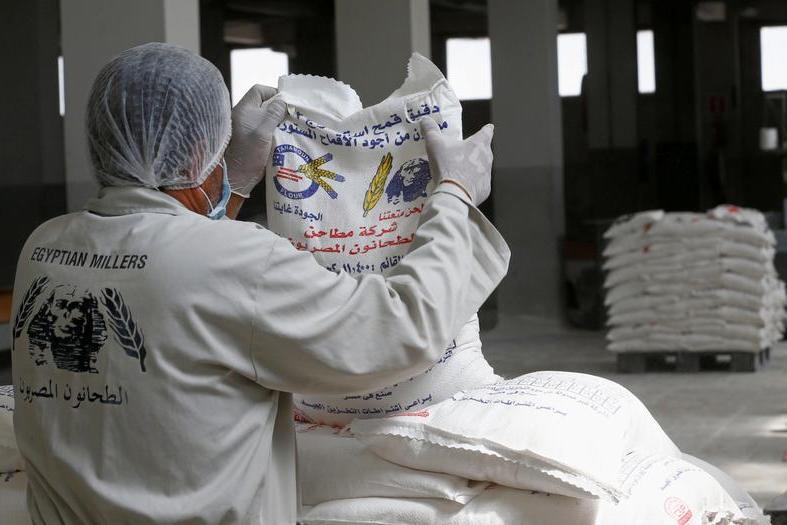
Egypt exported about 944,000 tonnes of wheat flour worth $319 million in 2025, placing the country fifth among global exporters of the product. According to Hapi Journal, the shipments represented around 6% of worldwide exports classified under HS heading 110100.
The figures show Egypt’s growing role as a grain-processing and flour-supply center for nearby African and Arab markets. Unlike exports of unprocessed wheat, flour shipments capture value from milling before the product crosses the border. The reported volume also places Egyptian millers within a global market in which their competitiveness depends on maintaining production, sourcing grain and serving destinations with regular food-import requirements.
Export value grows 15% annually
Egypt’s Food Export Council said wheat flour exports expanded significantly between 2020 and 2025. Export value recorded a compound annual growth rate of 15% over the period, while shipment volume increased at a compound annual rate of about 14%.
The close rates of growth in value and volume indicate that the expansion was supported primarily by larger physical shipments. The council described the performance as evidence of the strength and competitiveness of Egyptian flour, particularly in African and Arab markets. It also said the results support opportunities to raise exports and enter additional markets in the coming years.
Egypt’s position connects its domestic milling industry with countries where imported flour is an important part of food supply. The 2025 figures therefore matter not only to mill operators but also to grain suppliers, logistics companies and traders serving the regional market. Continued growth will require Egyptian exporters to retain their established destinations while developing new outlets beyond the current customer base.
Five markets account for 94% of revenue
Sudan was the largest destination for Egyptian wheat flour in 2025, purchasing $118 million, or about 37% of Egypt’s total export value for the product. Somalia ranked second with $81 million and a 25% share. Madagascar followed with $49 million, equivalent to 15%, while Yemen bought $34 million, or 11%. Palestine was the fifth-largest market at $20 million and 6%.
Combined sales to those five destinations reached approximately $302 million, representing about 94% of Egypt’s wheat flour export revenue in 2025. This concentration gives Egyptian processors a strong position in their principal markets, but it also makes overall performance closely dependent on demand, payment conditions and access across a limited group of destinations.
The destination mix is centered on Africa and the Arab region, matching the areas highlighted by the Food Export Council. Sudan alone generated more than a third of export revenue, while Sudan and Somalia together accounted for 62%. For producers and traders, preserving supply routes to these markets will remain central to sustaining the export volumes that lifted Egypt to fifth place globally.