Egyptian Feed Prices Rebound in August as Corn Leads Increase
Animal-feed prices in Egypt rose again in August after declining in June and July, Economy Plus reported. Corn led the increase, reducing part of the cost relief previously gained by livestock and poultry producers.
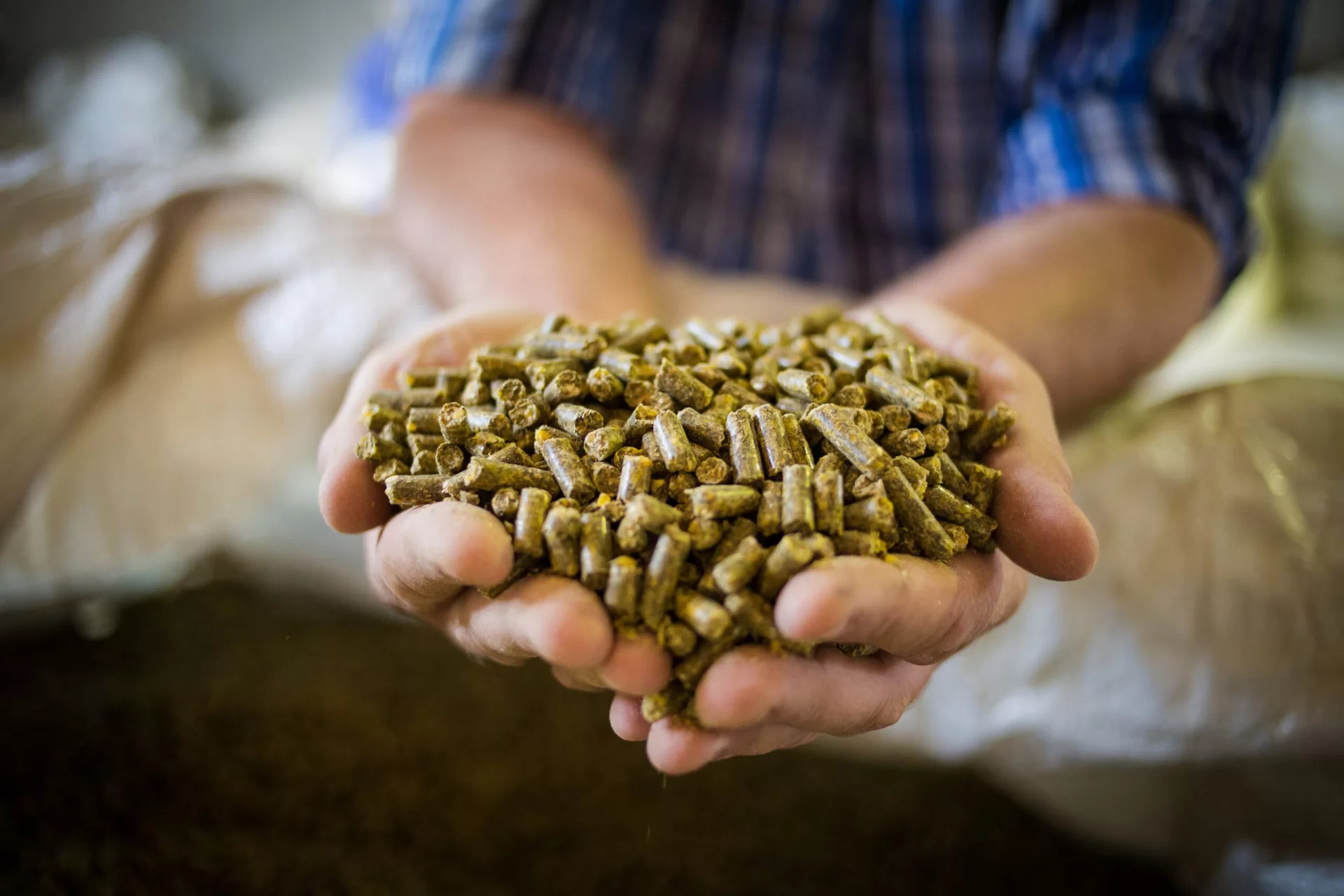
Feed market reverses direction
Animal-feed prices in Egypt returned to growth in August after falling during June and July, according to Economy Plus. Corn led the latest increase, reversing part of the relief that lower prices had delivered to buyers during the previous two months.
The report did not specify the size of the August increase or provide individual prices for corn and finished feed. It nevertheless points to a clear change in market direction: the earlier decline did not continue into August, and feed users lost part of the cost gains accumulated in June and July.
Corn drives renewed cost pressure
Corn is a central input in many animal-feed formulations, particularly those used by poultry and livestock producers. A corn-led increase can therefore affect both companies buying the grain directly and farms purchasing compound feed from processors.
The effect on individual businesses will depend on their purchasing arrangements, inventories and feed formulas. Producers that secured supplies during the June-July decline may experience the increase later than companies buying more frequently. Feed manufacturers, meanwhile, must decide how quickly higher corn costs can be reflected in prices charged to customers.
Poultry and livestock margins face scrutiny
For poultry and livestock operators, renewed feed inflation raises pressure on production costs. Feed is a recurring expense throughout the production cycle, so even an increase without a reported percentage can change purchasing decisions and expectations if it persists.
The August rebound also limits the benefit of the preceding declines. Farmers and processors had gained some cost relief in June and July, but the latest movement means that part of that advantage has already disappeared. Businesses will now be watching whether corn prices stabilize or continue to pull the broader feed market upward.
Market waits for clearer price signals
No information was provided on the causes of the corn increase, the role of domestic or imported supply, or differences between regions and feed categories. That limits conclusions about whether August represents a short-term correction or the start of a longer period of rising prices.
For Egyptian producers, traders and feed processors, the immediate signal is still significant. The market has shifted from two months of declines to a corn-led increase. Until more detailed price and supply data become available, buyers are likely to focus on procurement timing, available inventories and the ability to pass higher feed costs through the livestock and poultry supply chains.