Egypt adds 2.4 million feddans of farmland as agricultural exports exceed 10 million tonnes
Egypt has reclaimed and cultivated about 2.4 million feddans over the past 10 to 11 years, supporting domestic supply and agricultural exports. Export volumes have risen from about 4.2 million tonnes in 2014 to more than 10 million tonnes, while agricultural and related processed exports are valued at about $11 billion.
Reclaimed land expands Egypt’s production base
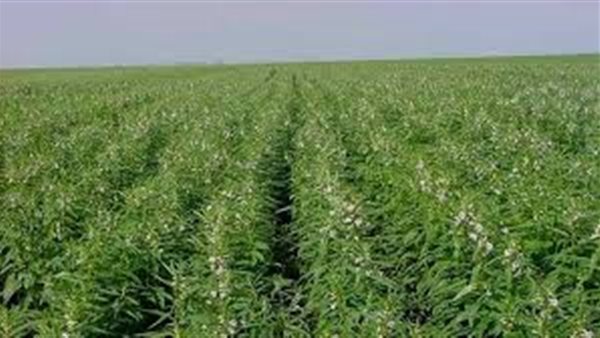
Egypt has reclaimed and cultivated about 2.4 million feddans over the past 10 to 11 years, expanding its agricultural base as the country seeks to strengthen food security and manage mounting climate pressure. Mohamed Ali Fahim, head of the Climate Change Information Center at the Ministry of Agriculture, told banker.news that the area added during this period approaches all the land reclaimed from the 1960s through the end of 2013, estimated at about 2 million feddans.
The expansion combines desert land reclamation with the development of crop varieties able to withstand different climatic conditions. Fahim said water remains Egypt’s fundamental resource, making careful management of agricultural land and water essential to sustaining the additional production. The figures indicate substantial growth in cultivated area, but the eventual output will depend on crop choice, yields and the availability of water.
Higher output supports supply and consumer markets
According to Fahim, some crops can yield between 15 and 20 tonnes per feddan annually. On that basis, adding 1 million feddans could raise production by about 20 million tonnes, depending on the crop and its productivity. This is an indicative calculation rather than a forecast for the entire reclaimed area, because different crops have widely varying yields and resource requirements.
Fahim said the additional cultivated land has already increased agricultural output, helping maintain the availability of goods in domestic markets and keeping prices at levels consumers can afford. Without the increase in supply, consumption needs could have produced larger market deficits and sharper price rises. Egypt’s stated priority is to meet domestic demand before directing surpluses to foreign markets.
Vegetable and fruit production now exceeds 130% of domestic consumption, according to Fahim. That surplus gives exporters room to expand overseas sales while preserving supply for Egyptian consumers. It also concentrates the country’s export opportunity in perishable products, where storage, packing, certification, logistics and timely access to destination markets are central to commercial returns.
Export volumes pass 10 million tonnes
Egyptian agricultural exports have increased from about 4.2 million tonnes in 2014 to more than 10 million tonnes currently, banker.news reported, citing Fahim. The value of agricultural exports and related industries has reached about $11 billion. Vegetables and fruit account for about 27% of Egypt’s agricultural exports, compared with about 7% in 2014, showing how strongly produce has contributed to the sector’s export growth.
Egyptian agricultural products now reach about 170 countries. Fahim said certificates and required laboratory analyses support product quality and competitiveness abroad. The leading shipments include about 2 million tonnes of citrus fruit, 1 million tonnes of potatoes, roughly 600,000 tonnes of sweet potatoes, 300,000 tonnes of onions and about 19,000 tonnes of grapes, alongside numerous other crops.
Climate resilience and processing shape the next stage
The expansion has reduced some of the potential damage that climate change could have caused to crop yields, Fahim said. Measures include breeding and developing new varieties as well as increasing productive acreage. Their effectiveness will remain closely tied to water management, particularly as cultivation moves further into reclaimed desert areas.
The next opportunity extends beyond selling larger quantities of fresh produce. Fahim identified food processing and higher value-added agricultural products as routes to increasing the economic return from Egypt’s output. For producers, processors and exporters, further growth will therefore depend not only on acreage but also on reliable water allocation, crop selection, quality controls and processing capacity capable of converting larger harvests into marketable products.