Edison, EDF and Nuward target Italy’s first small modular reactor by 2035
Edison, EDF and Nuward plan to develop an initial series of 10 small modular reactors in Europe from 2030, with Italy’s first Nuward plant targeted for operation by 2035. A study cited by Corriere della Sera estimates that supplying about 10% of Italian electricity demand with new nuclear power by 2050 could create a €46 billion market.
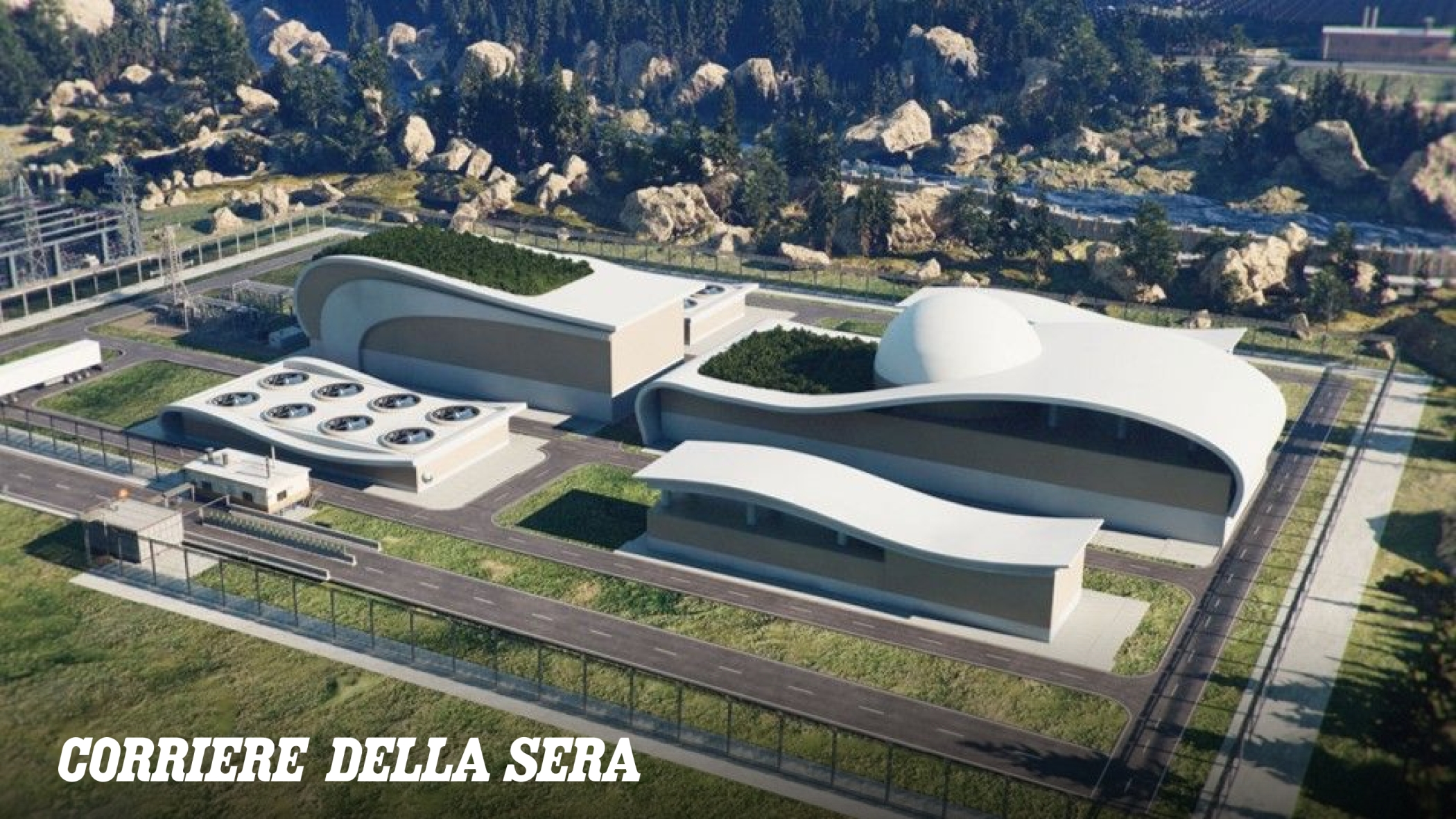
A 400 MWe reactor for Italy
Edison, EDF and Nuward have presented a plan to deploy a new generation of small modular reactors in Europe, including a target to make the first Nuward plant in Italy operational by 2035. Corriere della Sera reported that the project centers on a 400 MWe reactor designed for the Italian, French and wider European markets, as well as potential international customers.
The companies intend to develop an initial series of 10 small modular reactors in Europe starting in 2030. France and Italy are central to the initiative, while Poland, Belgium and Finland have also expressed interest. The partners aim to extend industrial cooperation across Europe. Edison is wholly owned by EDF, the French electricity and nuclear power group, giving the Italian project a direct link to an established nuclear operator.
Industrial heat as well as electricity
The Nuward reactor is designed to produce both electricity and heat. That could make it relevant to industrial districts, chemical clusters, ports, district-heating networks and large data centers. In Italy, one plant could generate electricity on a scale comparable to the consumption of more than 1 million households, while supplying low-emission heat that could replace a significant share of the gas used by industry.
Nuward says the technology combines active and passive safety systems. Its relatively compact dimensions, limited land use and lower water requirements could allow plants to be located close to industrial sites and major consumption centers. This positioning would be important for users seeking a stable source of power and process heat, although any installation would still depend on site selection, licensing and the creation of an Italian regulatory framework.
The reactor can also use MOX, a fuel made by recycling previously used nuclear fuel. According to the project description, this would reduce demand for natural uranium as well as the volume and radiotoxicity of nuclear waste requiring final storage. EDF and Nuward have already initiated a Joint Early Review with eight European nuclear safety authorities. That early engagement may help identify common technical issues, but it does not replace national authorization procedures.
A potential €46 billion market
The commercial case rests on a much larger Italian nuclear program. A study by The European House Ambrosetti examined a scenario in which new nuclear generation supplies about 10% of Italy’s electricity demand by 2050. Under that scenario, 20 plants would provide as much as 6.8 GW of capacity, creating a potential market worth €46 billion. The study estimates €14.8 billion in additional value and 117,000 jobs.
Building that market would require more than reactor technology. Italy would need rules covering licensing, safety oversight, sites, waste management and project financing, as well as public and political acceptance. The industrial groundwork has begun: in June 2026, EDF, Nuward and Edison signed a declaration of interest with Italian companies including Aipe, Atb Riva Calzoni, Saipem, Simic, Tectubi Raccordi, Walter Tosto and Webuild. Their participation could give domestic manufacturers and engineering groups a role in a European supply chain, but the 2035 target remains dependent on regulatory decisions and the timely launch of the first reactor series from 2030.