Ecuador resumes overland rice exports to Colombia as Andean demand supports trade
Ecuador shipped about 2,000 metric tonnes of milled rice to Colombia through the Rumichaca bridge in the last week of July. Zero tariffs within the Andean Community and shorter overland routes strengthen Ecuador’s position in a Colombian market that imports 9%-10% of its consumption.
Rumichaca route reopens
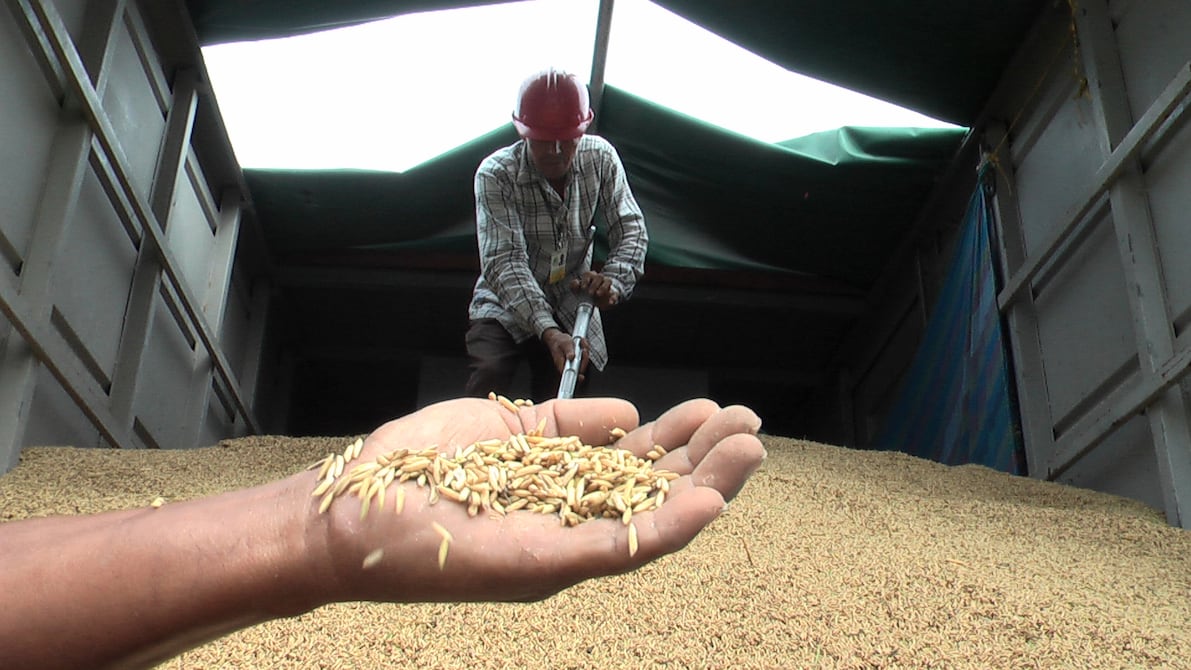
Ecuador has resumed overland rice exports to Colombia after months of operational restrictions at the border. Industry records cited by El Universo show a preliminary shipment of about 2,000 metric tonnes of milled rice across the Rumichaca international bridge in the last week of July, restoring a key channel for bilateral agricultural trade within the Andean Community.
The reopening follows diplomatic and commercial tensions that began in early 2026. Ecuador’s security levy on Colombian products prompted Bogotá to impose tariff and land-transport restrictions. Colombia’s Decree 583 established a transition period that ended on July 20, 2026, and road shipments restarted on July 25.
Prices reflect regional demand
Juan Pablo Zúñiga, president of Ecuador’s Corporation of Rice Industrialists, said export prices are determined by supply and demand rather than a policy of selling cheap rice. Negotiations held from late June to early July initially used trial maritime shipments to establish a base price, which was subsequently adjusted as international rice prices rose.
El Universo, citing FAO and Mercosur reports, said Chicago futures were trading near $313 per metric tonne, while Thai white rice stood at $380-$385 FOB Bangkok. South American prices were higher: Uruguay was quoted at $510-$520 per tonne in Montevideo, Brazil and Paraguay at $380-$420, and Andean Community trade at $450-$550. Ecuador benefits from zero tariffs inside the bloc and a continuous land route that can reduce delivery times and costs compared with maritime transport.
Ecuador has exportable stocks
Colombia provides a natural outlet. Data from DANE, Fedearroz and Colombia’s Agriculture Ministry put annual production at 3.18-3.2 million tonnes of green paddy, equivalent to 2.2-2.5 million tonnes of dry or white rice. In the first half of 2025, Colombia planted 417,556 hectares, harvested 178,086 hectares and produced 998,837 tonnes. With yields of 4.5-5.5 tonnes per hectare and annual consumption of 41-46 kg per person, the country imports an average 9%-10% of total consumption.
Ecuador produces 1.6-1.9 million tonnes of paddy rice annually, yielding 900,000-1.05 million tonnes of white rice, according to the Agriculture Ministry, Corpcom and Corpnoarroz. More than 95% of its 300,000-350,000 hectares are concentrated in Guayas and Los Ríos. Domestic consumption is about 800,000 tonnes a year, leaving a historical exportable surplus of 100,000-190,000 tonnes. Corpnoarroz president Javier Ronquillo estimates current industry inventories at 120,000 tonnes, while a public purchasing program absorbed 15,000-20,000 tonnes of paddy to support producer prices. Colombia normally takes as much as 90% of Ecuador’s rice exports, or around 100,000 tonnes annually. Peru and Bolivia offer limited competition: Peru consumes more than 95% of its harvest and imported 180,000 tonnes in 2025/2026, while Bolivia directs its entire output toward its domestic market.