Ebro Foods develops Spanish aromatic rice to reduce reliance on Asian imports
Ebro Foods’ Herba unit and Hisparroz are preparing the first fully Spanish aromatic rice varieties, with seed registration targeted for 2027. Herba will meanwhile stop buying conventional rice from Myanmar and Cambodia for two years, while continuing to import aromatic grain.
Spanish seed project targets commercial production
Ebro Foods’ rice subsidiary Herba and seed specialist Hisparroz are developing and registering what they describe as the first aromatic rice varieties of entirely Spanish origin. The project is intended to give Spanish farmers a locally adapted alternative in a segment that currently depends on supplies from third countries.
Antonio Hernández Callejas, chairman of Ebro Foods, told ABC Sevilla that the partners aim to complete registration of the new seed patents by 2027. Commercial planting would allow Spain to produce a type of grain that is not currently grown domestically. No forecast for planted area, production volume or the timing of full-scale availability has been disclosed.
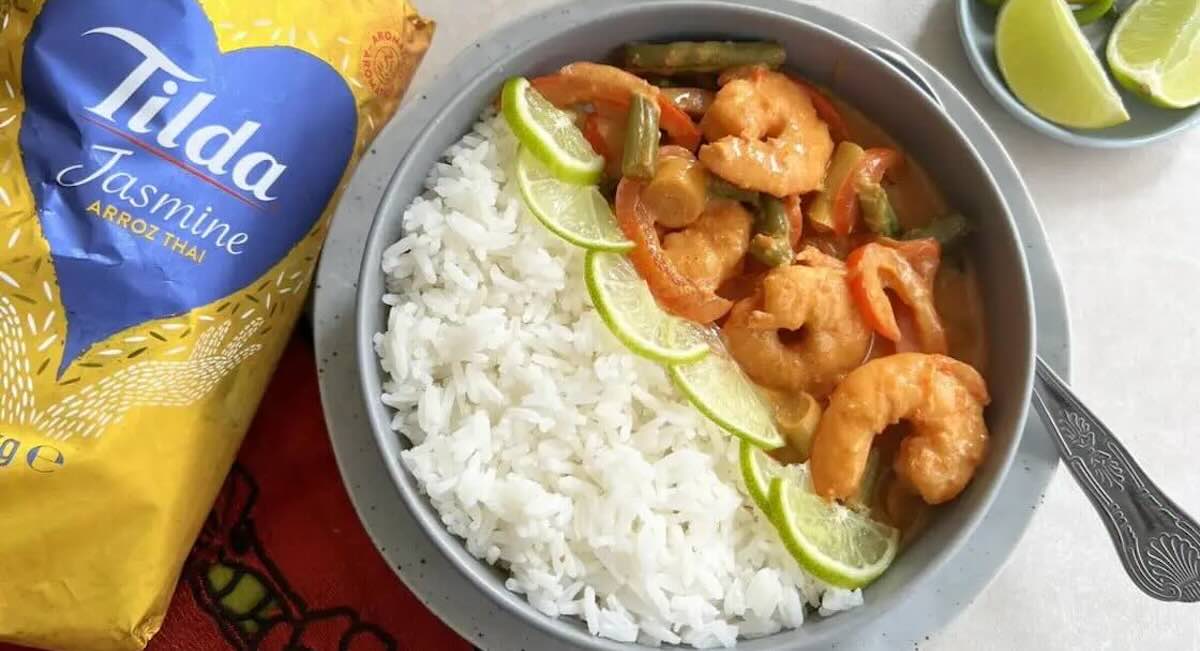
The initiative responds to sustained European demand for aromatic varieties such as basmati and jasmine rice, traditionally supplied by India, Pakistan and Thailand. European Union basmati imports exceeded 340,000 tonnes in 2025, according to figures cited by ABC Sevilla and Las Provincias. Until the Spanish varieties become commercially available, Herba will continue sourcing aromatic rice from Asia.
Herba suspends conventional purchases from Myanmar and Cambodia
Herba has separately decided not to buy rice from Myanmar and Cambodia for the next two years, Hernández told Las Provincias. The restriction covers conventional grain rather than aromatic varieties. He argued that duty-free supplies from the two countries enter at prices that undermine the profitability of European growers and called on other processors and retailers to adopt a similar voluntary policy.
The EU remains structurally dependent on imported rice. Hernández put annual European consumption, excluding industrial uses and animal feed, at between 2 million and 2.2 million tonnes, against production of 1.7 million tonnes. Spain accounts for about 425,000 tonnes, while most of the remaining output comes from Italy, the bloc’s largest producer.
According to Hernández, duty-free arrivals from developing countries such as Myanmar and Cambodia increased from less than 20,000 tonnes when the relevant arrangements were introduced in 2001 to 570,000 tonnes in 2025. That volume was equivalent to 25% of EU consumption and exceeded the combined annual consumption of Spain and Portugal. He also criticised an EU safeguard threshold of 540,000 tonnes, saying the agricultural sector and industry had sought activation from 200,000 tonnes.
Recovered acreage meets a changed market
Spanish rice acreage has recovered after drought reduced planting between 2022 and 2024. Rainfall in late 2025 and during the winter of 2026 enabled the country to restore its full cultivated area, Hernández said, including a return to 100% of the rice area in the Guadalquivir marshes. Producers nevertheless face the commercial challenge of winning back customers who switched to other origins during the shortage.
Retail pricing adds further pressure. Private-label products account for more than 70% of rice sales in Spain and across the EU, according to Hernández. He said retailers, particularly in northern Europe, tend to prioritise price over origin. Asian and South American rice consequently gained market share during Spain’s drought years through a combination of competitive prices and acceptable quality.
Herba previously used domestic cultivation to replace imports of long-grain rice from the United States and Southeast Asia. Its new aromatic seed programme follows the same strategy, but successful substitution will depend on agronomic performance, farmer returns and acceptance by processors and retailers. Ebro Foods also plans to develop locally grown aromatic rice in the United States, where it operates six rice production sites and currently uses both domestic grain and aromatic rice imported from India, Thailand and Cambodia.