Dry weather and rising corn ethanol supply push São Paulo sugar and biofuel prices lower
Sugar and ethanol prices fell in São Paulo as dry weather accelerated cane harvesting and crushing. Additional pressure came from expanding corn ethanol production and aggressive sales by mills seeking liquidity.
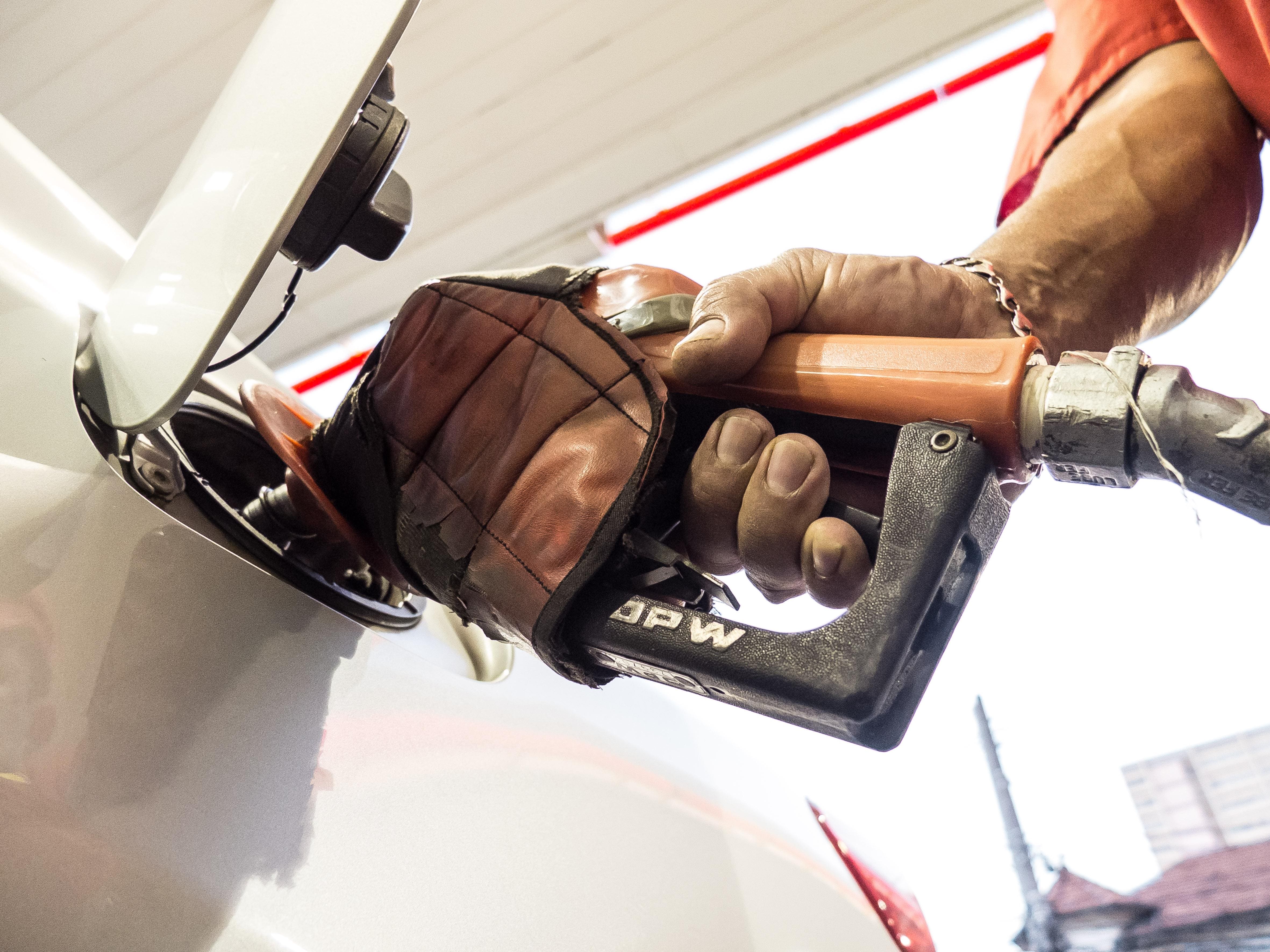
Faster harvesting increases market supply
Prices for white crystal sugar and both major types of ethanol declined in São Paulo as dry weather accelerated sugarcane harvesting and crushing, O TEMPO reported, citing BBM Bolsa. The absence of rain allowed mills in the Southeast’s main producing areas to intensify field work and process more cane, increasing the volume of sugar and biofuel available to buyers.
Hydrous ethanol was quoted at R$ 2.0454 per liter, down 1.49% over the week. The average price of anhydrous ethanol fell 2.71% to R$ 2.3141 per liter. A 50-kilogram bag of white crystal sugar ended the period at R$ 91.50 and then opened the following session 0.74% lower at R$ 90.82.
Inventories rise as mills compete for liquidity
Large deliveries from producers in São Paulo and other states have raised inventories at distribution terminals. According to O TEMPO, some mills also need cash and have adopted a more aggressive sales policy, offering discounts to secure liquidity. The combination of faster crushing, full tanks and price concessions has strengthened buyers’ position in the spot market.
Supply is substantial at the national level. Brazil’s National Supply Company, Conab, estimates the sugarcane harvest at 709.1 million tonnes, the second-largest crop in the country’s history. The size of the harvest gives mills a broad raw-material base, although their decisions on how much cane to allocate to sugar or ethanol will continue to influence the availability of each product.
Corn ethanol adds pressure beyond the cane season
Expansion of corn ethanol is reinforcing the increase in fuel supply. Production is expected to grow 12.3% to a record 11.4 billion liters, with the industry concentrated mainly in Brazil’s Center-West. Unlike sugarcane, corn can support ethanol production during the cane off-season, helping maintain supplies throughout the year and exerting a more continuous influence on prices at mills, distribution terminals and filling stations.
The sector is also monitoring El Niño. The World Meteorological Organization expects the phenomenon to intensify and peak between August and October 2026. More frequent rain in the Center-South during the second half of the year could support vegetative development of cane for the next crop. For the current harvest, however, rainfall could cause local delays and reduce Total Recoverable Sugar, or TRS, a key measure of the cane’s commercial value.
Market participants face a weather-driven balance
In the near term, continued dry conditions would allow harvesting and crushing to remain rapid, sustaining pressure on physical prices. Traders and distributors will be watching the pace of mill sales and storage levels, while producers must balance immediate cash needs against the value of holding stocks.
A transition to wetter weather would change that balance. Interruptions could limit prompt supply and slow the decline in prices, but lower TRS would also reduce the amount of recoverable sugar available from each tonne of cane. Meanwhile, record corn ethanol output provides an additional supply buffer for fuel buyers, reducing the market’s dependence on the timing of the sugarcane harvest.